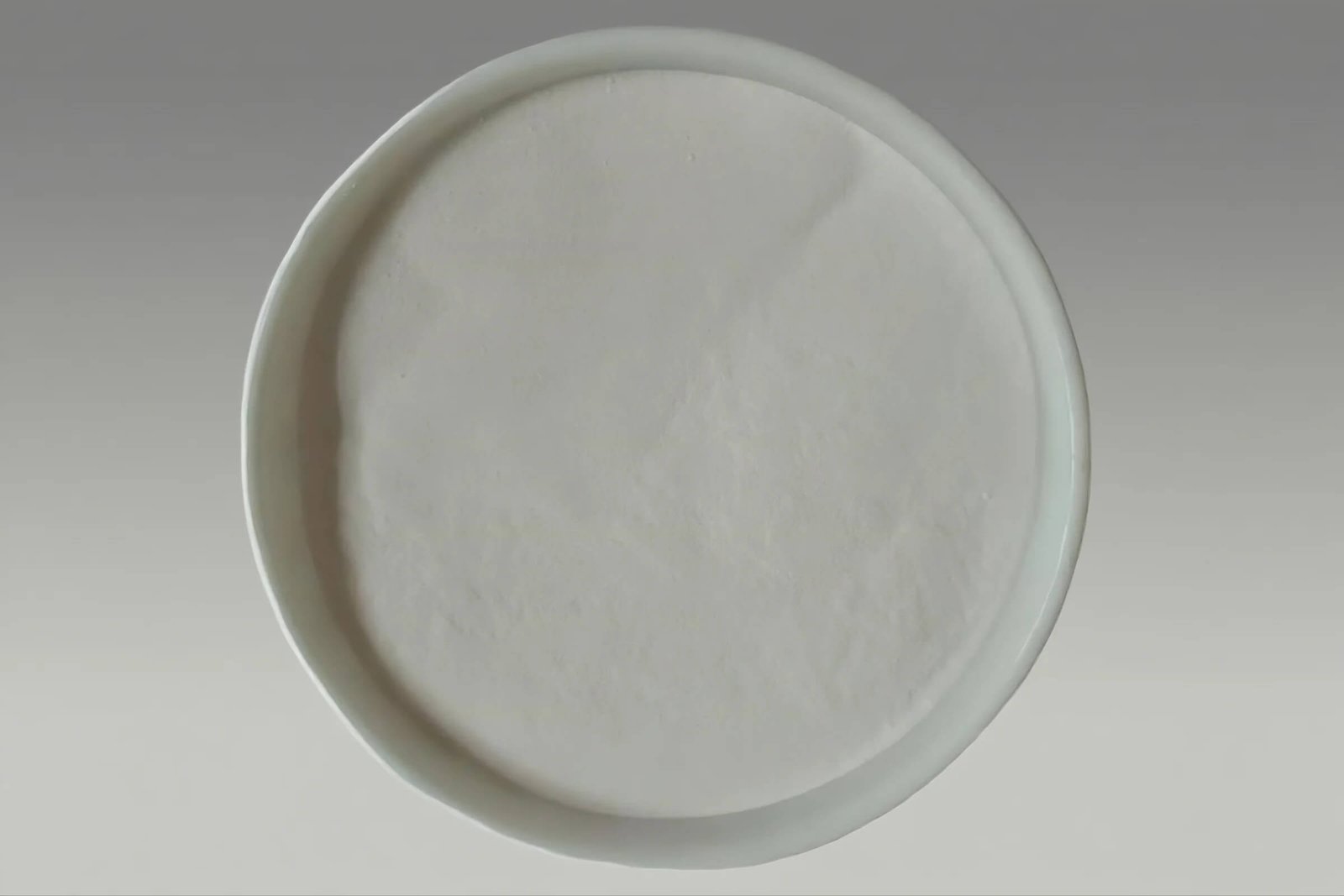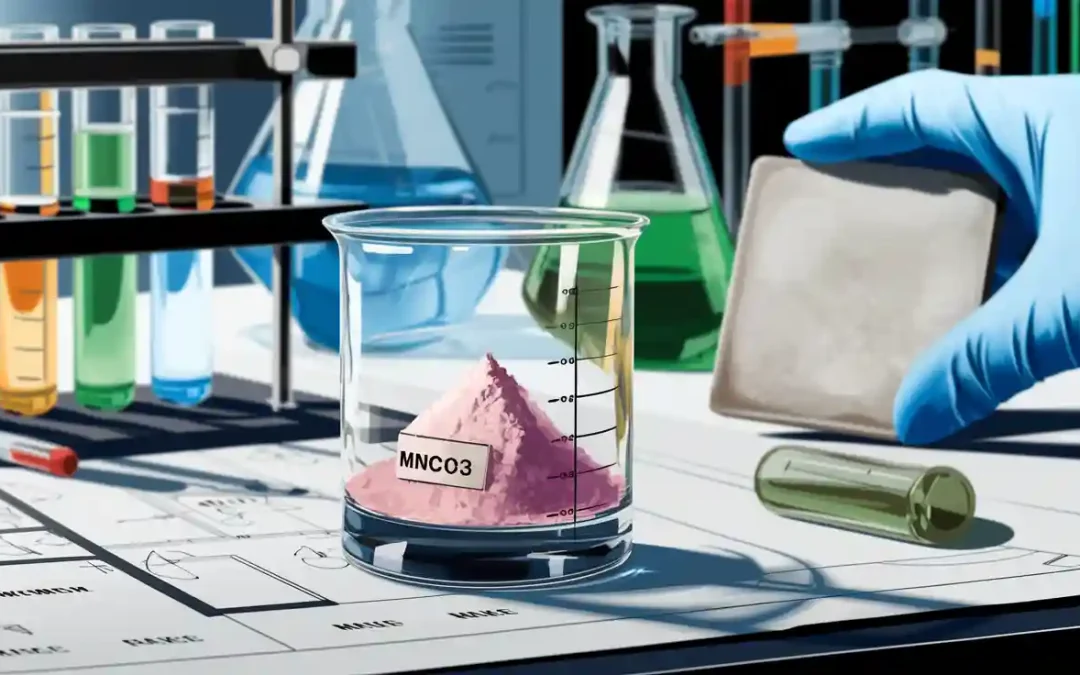
Manganese ii carbonate (MnCO₃) appears as a light pink powder and has a calcite crystal structure. This compound naturally occurs in the environment. Unlike many other manganese salts, manganese ii carbonate does not dissolve in water. It is also resistant to heat and does not break down easily. These properties make manganese ii carbonate valuable for various industrial and scientific applications.
| Property | Manganese ii Carbonate | Manganese Acetate | Manganese Dioxide | Potassium Permanganate |
|---|---|---|---|---|
| Appearance | Pale pink powder | Brown crystals | Black solid | Purple crystals |
| Solubility in Water | Insoluble | Soluble | Insoluble | Soluble |
| Oxidation State | +2 | +2 | +4 | +7 |
Key Takeaways
- Manganese(ii) carbonate is a strong compound. It does not break down easily in heat. People use it in fertilizers to help plants grow. It gives manganese to plants slowly over time.
- It is important in making ceramics, batteries, and chemicals. It helps make products better. It also helps with clean energy technology.
- Scientists use manganese(ii) carbonate in research and material science. It is pure and dependable. It helps make new materials and tools for medical imaging.
Industrial Uses of Manganese(ii) Carbonate
Manganese(ii) carbonate is important in many industries. It does not dissolve in water and can handle heat well. These features make it useful for different jobs. The table below lists where it is used and how much each sector uses:
| Industrial Sector | Usage Description | Market Share (2024) | Market Value (USD Million) | CAGR (Projected) | Additional Notes |
|---|---|---|---|---|---|
| Fertilizers | Largest application; manganese as a micronutrient essential for plant nutrition | 54.63% | 227.46 | 5.85% | Medium purity manganese carbonate mainly used here; supports sustainable agriculture |
| Steel Production | Used as desulfurizing agent and alloying additive to improve steel quality | N/A | N/A | N/A | Growth driven by global steel industry expansion |
| Battery Manufacturing | Used to produce electrolytic manganese dioxide (EMD) for lithium-ion and alkaline batteries | N/A | N/A | N/A | Critical for energy storage tech including electric vehicles |
| Glaze Colorants | Second-largest application after fertilizers | N/A | N/A | N/A | Significant in ceramics and construction sectors, especially in Asia-Pacific |
| Chemical Intermediates | Used in various chemical processes | N/A | N/A | N/A | Niche but important for specialized industrial uses |
| Ceramics | Used in ceramic production | N/A | N/A | N/A | Asia-Pacific dominance driven by large construction and ceramic sectors |
Fertilizers
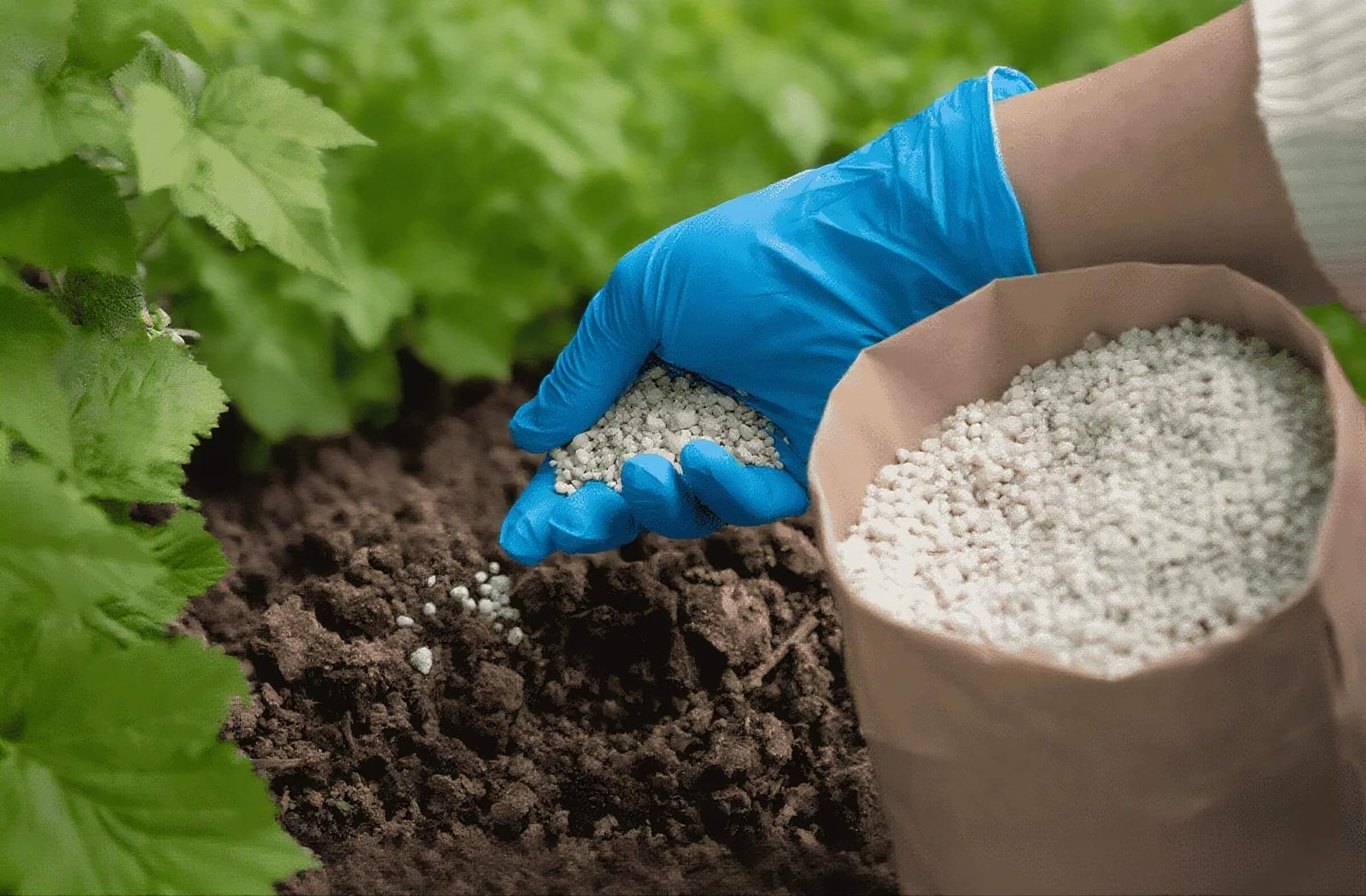
Most manganese(ii) carbonate is used to make fertilizers. Over half of the world’s supply goes to this use. Farmers add it to soil to help plants grow better. Plants need manganese for making food and staying healthy. If soil does not have enough manganese, plants turn yellow and do not grow well.
Manganese(ii) carbonate gives off manganese slowly because it does not dissolve fast. This helps plants get what they need without getting too much at once. When farmers use it on wheat, the plants grow taller and make more grain. It also helps move manganese from leaves to seeds, making the harvest better.
Ceramics and Pigments
Ceramic and pigment makers use manganese(ii) carbonate for color. It helps make glazes and glass look brown, purple, or black. The final color depends on how the glaze is made and how hot it gets. In glass, it can also take away green colors caused by iron.
When heated, manganese(ii) carbonate breaks down and lets out gas. This can change how the glaze looks if not watched closely. Artists and factories must control the heat and glaze mix to get the right color. It also helps glazes melt at lower temperatures and makes them stronger.
Chemical Precursor
Many companies use manganese(ii) carbonate to make other manganese chemicals. When heated to about 200°C, it turns into manganese oxides. These are used in batteries and special magnets. Heating it in a controlled way helps keep the quality high and cuts down on waste.
- Manganese carbonate is good for making other chemicals because:
- It changes at a set temperature, so the process is easy to control.
- It avoids problems that happen with raw ores, like uneven heating.
- The powder is always the same size and very pure, which helps make better products and saves money.
Batteries and Electronics
Battery and electronics makers need very pure manganese(ii) carbonate. They use it to make electrolytic manganese dioxide for batteries. This is important for electric cars and storing energy from wind or sun.
- Manganese carbonate helps batteries by:
- Making them conduct electricity better and store more energy.
- Helping batteries last longer and stay safe.
- Working well in special ceramics for electronics.
More people want electric cars and clean energy, so the need for battery-grade manganese carbonate is rising. Countries like China and India are leading because they invest a lot in new technology and factories.
Scientific and Laboratory Applications of Manganese Carbonate
Research Reagent
Scientists use manganese(ii) carbonate in many lab experiments. This compound helps them make new materials and test reactions. Researchers often create manganese(ii) carbonate nanoparticles with special methods like inverse microemulsion. These tiny particles help scientists see how size and shape change chemical behavior.
Some common lab experiments are:
- Making manganese(ii) carbonate nanoparticles and checking their size with TEM.
- Using DLS to see how particles move in liquid.
- Testing how manganese(ii) carbonate breaks down at different pH levels to copy tumor environments.
- Running cytotoxicity tests on cancer cells to check if the compound is safe and works well.
- Watching how the compound changes cell energy and health by checking mitochondrial membrane potential and ATP content.
- Studying how manganese(ii) carbonate can help treat tumors in mice.
Scientists like manganese(ii) carbonate because it stays stable and pure. High purity means experiments give clear and repeatable results. Scientists use tests like X-ray diffraction and infrared spectroscopy to make sure the compound is clean. Careful testing helps them trust their results and find new things.
Analytical Chemistry
In analytical chemistry, manganese(ii) carbonate is used as a standard or reference. Chemists use it to check if their tools and methods work right. The compound’s stable structure and known properties make it good for calibration.
Manganese(ii) carbonate also helps scientists learn how manganese moves and changes in nature. For example, researchers found that light can turn manganese(ii) carbonate into manganese oxide without oxygen. This helps us understand how manganese cycles through soil and water.
Tip: Always use high-purity manganese(ii) carbonate in analytical work. Impurities can change results and make experiments less reliable.
Material Science
Material scientists use manganese(ii) carbonate to make and study new materials. They often react manganese salt solutions with urea at high heat. This makes manganese(ii) carbonate with a special crystal structure. Scientists check the product with infrared spectroscopy to see the right chemical bonds.
Recent breakthroughs include:
- Making light-activated manganese carbonate nanocubes that help cancer immunotherapy.
- Using microemulsion methods to control the shape and size of manganese(ii) carbonate crystals.
- Coating manganese carbonate nanoparticles with polydopamine to improve imaging for cancer treatment.
The table below shows some new uses for manganese(ii) carbonate in material science:
| Application Area | Key Findings and Properties | Performance Metrics | Advantages and Notes |
|---|---|---|---|
| Lithium-ion Battery Anodes | Graphene and carbon nanotube modified MnCO3 composites show better lithium storage and stability | Reversible capacity: 1110 mAh g⁻¹ at 1000 mA g⁻¹ after 500 cycles | Better electron transport and structure; eco-friendly and easy to find material |
| Supercapacitors | MnCO3 from low-grade manganese used as bifunctional electroactive material | Discharge capacitance: 194 F g⁻¹ at 1 A g⁻¹; 77 F g⁻¹ at 0.3 A g⁻¹ (device) | High capacitance retention (90.7% over 5000 cycles); sustainable production |
| Oxygen Evolution Reaction | MnCO3 used as electrocatalyst for OER | Tafel slope: 151 mV dec⁻¹ at 10 mA cm⁻² | Environmentally friendly, variable oxidation states, helps OER go faster |
Scientists also use manganese(ii) carbonate to make soluble manganese compound complexes. These complexes help improve medical imaging, like PET and MRI scans. By making stable chelation complexes, researchers lower the risk of manganese toxicity and make imaging safer for patients.
Note: Using manganese(ii) carbonate in energy storage and medical imaging shows it is becoming more important in science.
| Aspect | Details |
|---|---|
| Product Types | Feed Grade, Industrial Grade, Food Grade |
| Key Applications | Plant Fertilizers, Health Foods, Ceramics, Pigment Driers, Catalysts |
| Market Trends | Demand for high-quality, eco-friendly manganese carbonate is rising |
Manganese(II) carbonate is very stable and makes special particles. These qualities help people make better fertilizers and ceramics. It also helps make stronger catalysts. Scientists and companies use it because it works well. New research and technology will make it even more useful. Its value will keep growing in many areas.
FAQ
What safety precautions should people take when handling manganese(ii) carbonate?
People need to wear gloves and a mask. They should not breathe in the dust. It is important to keep the air moving so it stays safe.
Can manganese(ii) carbonate dissolve in water?
Manganese(ii) carbonate does not mix with water. This helps it work well in slow-release fertilizers. It is also good for some ceramic jobs.
Why do scientists use manganese(ii) carbonate in research?
- Scientists like it because it does not change easily.
- It lets them create new things in the lab.
- Using pure manganese(ii) carbonate makes experiments clear and easy to understand.
Related Products

manganese dioxide

manganese carbonate

manganese sand
Related Posts

I am Edward lee, founder of manganesesupply( btlnewmaterial) , with more than 15 years experience in manganese products R&D and international sales, I helped more than 50+ corporates and am devoted to providing solutions to clients business.