Manganese carbonate helps artists and potters add strong color to glaze. This mineral can change glaze color to purple, brown, or blue. People use manganese carbonate to color and melt glaze in recipes. The right amount helps show the best color in manganese carbonate ceramics. Good manganese carbonate matters a lot, so many pick btlnewmaterial for supplies.
Tip: Always test your glaze on a small piece before using it on bigger projects.
Key Takeaways
Manganese carbonate can make glazes purple, brown, or blue. The color depends on the glaze base and firing heat. It works as a flux and helps glazes melt at lower heat. This makes the finish shiny and smooth. Artists should test small glaze amounts first. This helps stop problems like bubbles or strange colors. Use manganese carbonate safely by working with good airflow. Wear masks and gloves to keep safe from dust and fumes. btlnewmaterial sells good manganese carbonate. They have certifications and helpful support. Many ceramic artists trust them as a source.
Manganese Carbonate Ceramics
Color Effects
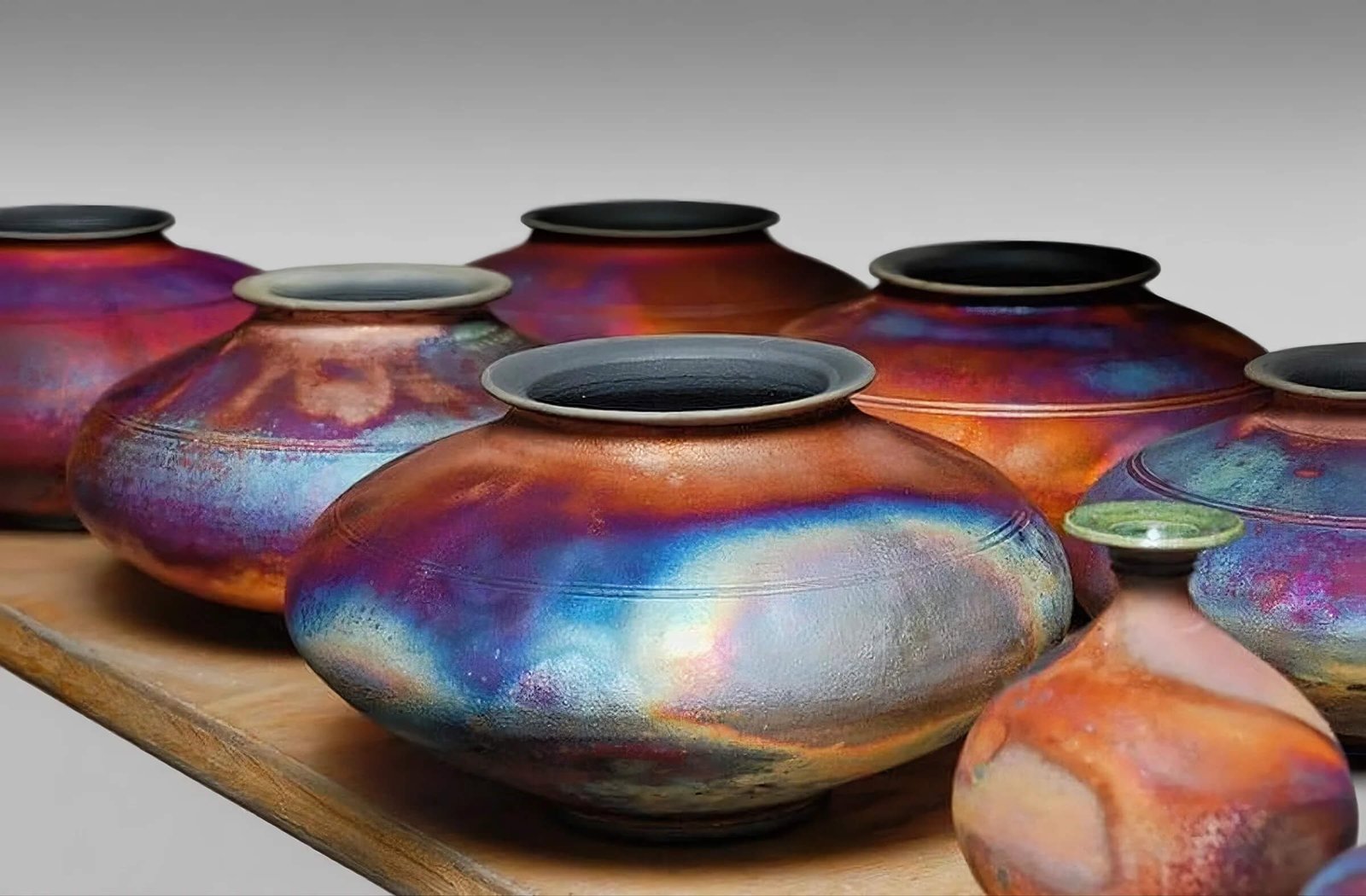
Manganese carbonate ceramics can have many different colors. Artists use manganese carbonate to change glaze color in their recipes. The color you get depends on the glaze base. If the glaze base is alkaline, you will see blue-purple or plum colors. If the glaze base has no lead, the color turns purple-brown. In a glaze base with lead, the color can look different. The exact color depends on other colorants and how you fire the piece.
Glazes with manganese carbonate can look soft or very bold. The color also changes if you add more or less alumina. Less alumina gives a violet color. More alumina makes the color brown. Many artists like manganese carbonate ceramics for their special color effects. These colors are different from what you get with other colorants.
Note: Test a small amount of glaze before using it on a big piece. The color can change with the glaze base and firing heat.
Here is a simple table that shows the color you get with different glaze bases:
Glaze Base | Typical Color Produced |
|---|---|
Alkaline | Blue-purple, plum |
Leadless | Purple-brown |
Leaded | Varies, depends on recipe |
Flux Properties
Manganese carbonate ceramics also use the strong flux properties of manganese carbonate. A flux helps the glaze melt and flow when you fire it. This makes the glaze smooth and shiny. When you fire manganese carbonate, it turns into manganese oxide. This new compound works as a flux in the glaze.
The fluxing action changes how the glaze melts. It can lower the melting point, so you can fire at lower heat. The glaze becomes softer and more even. The color also changes as manganese carbonate turns into manganese oxide. If the glaze base has little alumina, the color is violet. If the glaze base has more alumina, the color is brown.
When you fire, manganese carbonate breaks down and forms manganese oxide at about 1200°C.
Manganese oxide reacts with the glaze base and changes the color and melting.
In leaded glaze bases, manganese oxide can make special crystals. These crystals change the color and the look of the glaze.
Manganese carbonate ceramics often have special patterns and colors because of these changes. The glaze base, firing heat, and other colorants all help make the final look.
Tip: Always work in a place with good air flow and wear a mask when using manganese carbonate. The fumes from firing can be dangerous. Safety is very important in any ceramic studio.
Applications in Ceramics
Glazes
Manganese carbonate lets artists change glaze colors in many ways. They usually start with a small amount, like 1%, and test it on a tile. If they want a stronger color, they add more. Some recipes use up to 23% manganese oxide for special looks, but most use less. The glaze base, firing heat, and glaze thickness all affect the color. Artists often see purple, brown, or blue in their glazes.
If artists want to use manganese carbonate instead of manganese dioxide, they use about 1.62 grams for every 1 gram of manganese dioxide. This keeps the manganese oxide amount the same in the glaze. Artists always test small batches first because each batch can react differently.
| Substitution Pair | Approximate Ratio | Key Notes |
|---|---|---|
| Manganese Dioxide to Manganese Carbonate | 1 : ~1.62 | Adjust for oxide content; test before large batches |
Artists use manganese carbonate to make glazes with cool effects. Sometimes, bubbles or blisters form if the firing is too fast or the glaze is thick. Testing and careful firing help stop these problems. Some artists mix ceramic stains with manganese carbonate for more color choices.
Tip: Always wear a mask and gloves when mixing glaze powder. Keep your work area clean and use wet methods to stop dust.
Clay Bodies and Slips
Manganese in clay bodies changes color and texture. Even a little, like 0.2%, can make black or brown spots in the clay. This gives the finished piece a special look. Artists use manganese carbonate to make black-burning stoneware or to darken slips.
If too much manganese carbonate is used, the clay can bloat or bend during firing. Gas can make bubbles or cracks. Artists often use ceramic stains in engobes to avoid these issues. They test different amounts and firing heats to get the best results.
| Aspect | Effect of Adding Manganese Carbonate |
|---|---|
| Coloration | Black or brown hues, speckling |
| Physical Properties | Low percentages avoid bloating |
| Gas Release | Too much causes bubbles or warping |
| Fluxing | Helps clay mature at lower temperatures |
Note: Always work where air moves well. Do not eat or drink in the studio. Wash your hands after using manganese carbonate.
Comparison with Other Manganese Compounds
Manganese Dioxide vs. Carbonate
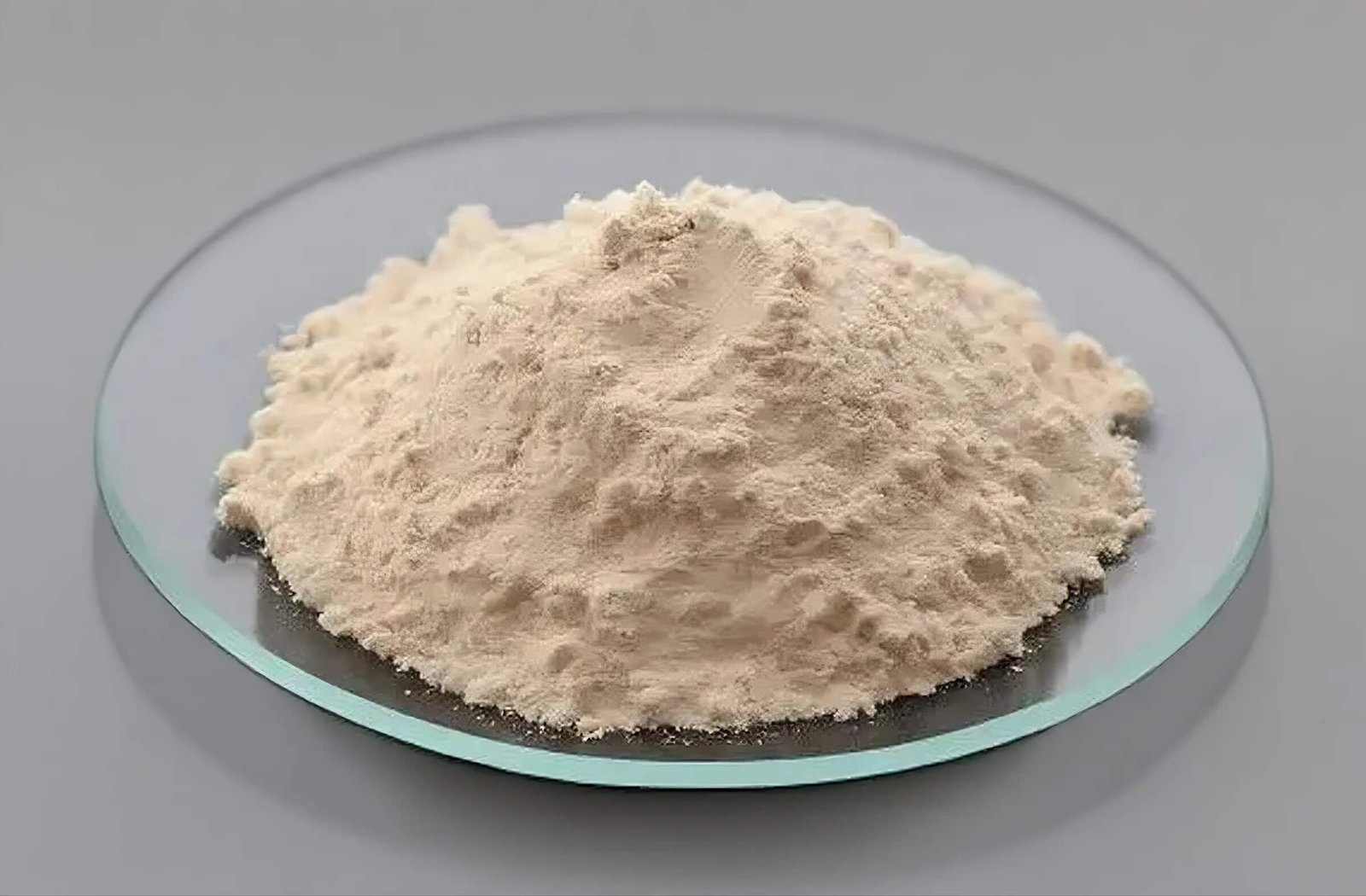
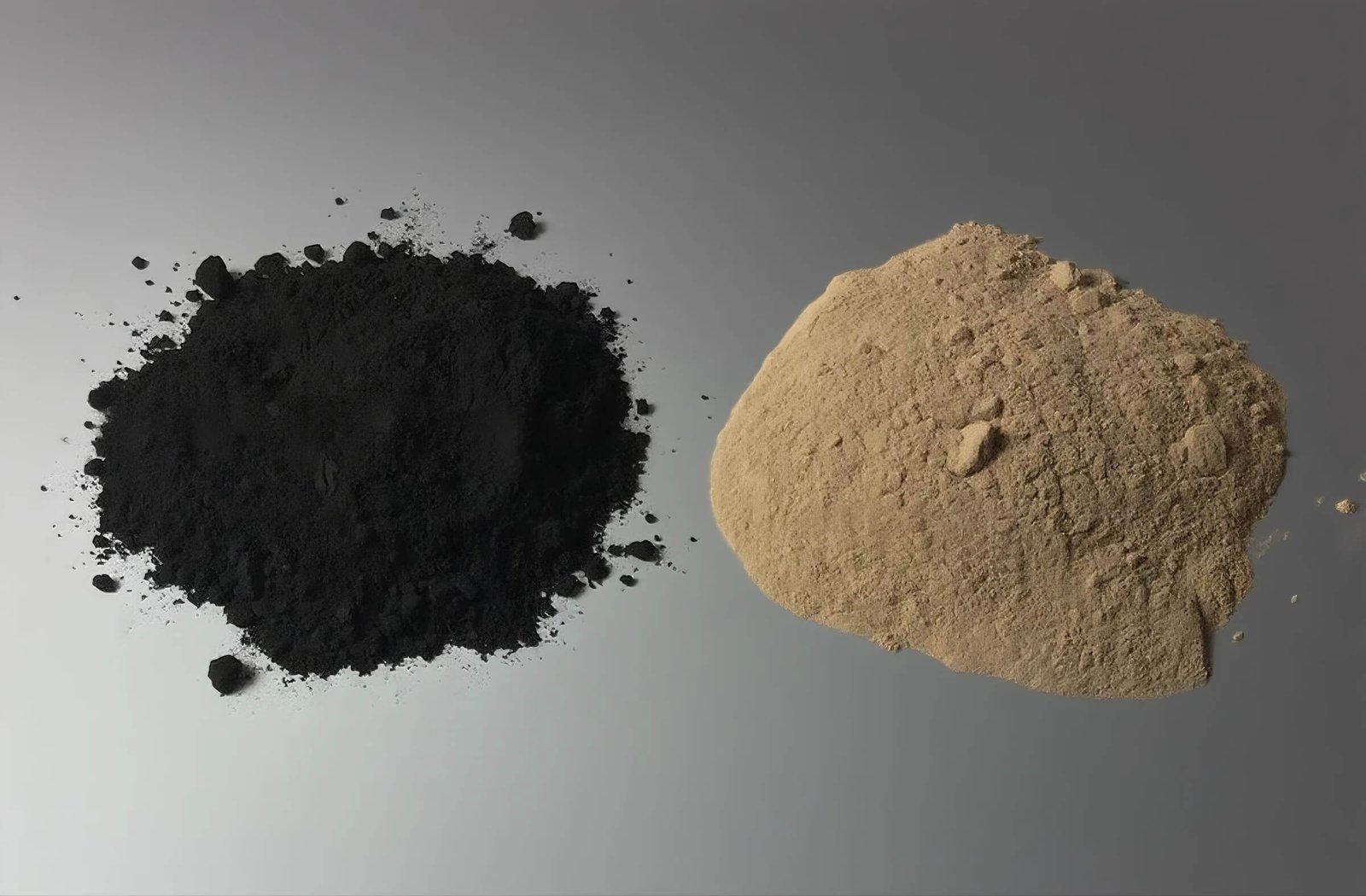
Ceramic artists use manganese carbonate or manganese dioxide to change glaze color. Both add color, but they work in different ways. Manganese dioxide is a dark brown-black powder. It can be rough and make specks in the glaze. These specks can make the glaze look rough. Sometimes, halos show up on other pieces during firing. Manganese carbonate is a lighter tan powder. It mixes well and spreads out in the glaze. This makes the color look smooth and even.
Here is a table that shows the main differences:
| Property | Manganese Dioxide | Manganese Carbonate |
|---|---|---|
| Appearance | Dark brown-black powder | Lighter tan powder |
| Particle form | Can be coarse, causing speckling | Disperses evenly, uniform color |
| Effect on glaze color | Produces speckled effects | Produces smooth, consistent color |
| Additional notes | May fume at high fire, creating halos on nearby ware | More uniform dispersion in glaze matrix |
Artists pick manganese carbonate for a smooth, even color. They use manganese dioxide if they want specks or special effects in the glaze.
Unique Benefits
Manganese carbonate gives some special benefits in glaze work:
- It works as a flux and a colorant. This helps the glaze melt at lower heat. It can save up to 8% of kiln energy.
- It gives pink, brown, or purple colors to the glaze. This makes the finished piece look nice.
- Its fine particles mix well. The glaze does not get pinholes or cracks like with rougher manganese minerals.
- Manganese carbonate breaks down at about 200 °C. This helps the glaze form a smooth color. It also stops hot spots or too much oxidation.
- Even heating helps the glaze stick better. Fewer pieces get ruined.
- Many ceramicists use manganese carbonate for smooth, energy-saving glazes without defects.
Tip: Always test your glaze recipe with manganese carbonate before making a big batch.
Sourcing from btlnewmaterial
Supplier Advantages
btlnewmaterial is a trusted place to get manganese carbonate. Many artists and factories pick this company for good products. The team checks every batch to make sure it is high quality. Their manganese carbonate works well in glazes and clay bodies. This helps artists get the results they want.
btlnewmaterial’s products meet important rules from around the world. These certifications help people feel safe about what they buy:
- ISO 9001 certification means the company manages quality well.
- REACH certification shows the chemicals are safe.
- The products follow global industry rules.
These certifications prove btlnewmaterial cares about safety and quality. Ceramic makers can trust the product for fun or work.
The company gives clear information about its products. Customers can see details like purity, particle size, and how to use it. This helps artists and factories choose the right material for their projects.
Ordering Process
Ordering from btlnewmaterial is easy. The website, manganesesupply.com, helps you find what you need. Customers can look for manganese carbonate, check prices, and read about the product.
Here’s how to order:
- Go to manganesesupply.com.
- Pick manganese carbonate from the list.
- Look at the product details and certifications.
- Send your requests.
- Type in your shipping address.
- Wait for a confirmation.
Most orders ship fast. Customers get tracking numbers and updates by email.
You can check and download our tds and msds of manganese carbonate for ceremics and glaze from the following links:
Ceramic Grade Manganese Carbonate for Brown Glazes
MnCO3 for Purple and Pink Glass Pigments
High Purity Manganese Carbonate for Crystalline Glazes
Manganese Carbonate Powder for Pottery Body Stains
btlnewmaterial’s support team answers questions quickly. They help with shipping, product details, and big orders. Many customers say the service is nice and helpful.
Note: Always check the product label and safety sheet before using manganese carbonate in your studio.
Manganese carbonate helps artists make bright colors and smooth glazes. When the particles are small and pure, the glaze melts well. This makes the glaze look nice every time. Good suppliers like btlnewmaterial keep each batch the same. Artists who want better work can try new glaze mixes. They can also use different firing heats to see what happens.
Picking good materials helps you make pretty and strong ceramics.
FAQ
What color does manganese carbonate make in glazes?
Manganese carbonate can make glazes look purple, brown, or blue. The color you get depends on the glaze base and how hot you fire it.
Is manganese carbonate safe to use in the studio?
Artists need to wear masks and gloves when using manganese carbonate powder. Good air flow keeps the studio safer.
Always wash your hands after using it. Never eat or drink where you work.
Can manganese carbonate replace manganese dioxide in recipes?
Yes, artists can use manganese carbonate instead of manganese dioxide. They use about 1.6 grams of carbonate for every 1 gram of dioxide. Testing small batches first helps artists get the best results.
Why do some glazes bubble or blister with manganese carbonate?
Glazes can bubble or blister if they are too thick or fired too fast. Testing and firing slowly can help stop these problems.
Where can artists buy high-quality manganese carbonate?
Artists can buy pure manganese carbonate from btlnewmaterial at manganesesupply.com. The company ships orders quickly and gives helpful support.
Related Products

manganese dioxide

manganese carbonate

manganese sand
Related Posts

I am Edward lee, founder of manganesesupply( btlnewmaterial) , with more than 15 years experience in manganese products R&D and international sales, I helped more than 50+ corporates and am devoted to providing solutions to clients business.