You can help your soil by using manganese sulfate soil pH treatments. This important plant micronutrient keeps the nutrient balance good for crops and plants. If you want strong growth and better fertility, you should focus on manganese. Many people in farming see big changes when they manage micronutrients well. Healthy soil gives healthier plants and better harvests.
- Manganese sulfate makes soil less basic. This helps plants get more manganese. Test your soil pH before you use manganese sulfate. This helps plants take in nutrients better.
- If soil pH is high, plants may not get enough manganese. Check your soil often. Use manganese sulfate if you need to fix this problem.
- Acidic soil can have too much manganese. This can hurt plants. Look for dark spots on leaves. Change soil pH or how much manganese you use if you see these signs.
- Manganese helps plants make food and use enzymes. Make sure your crops get enough manganese. This helps them grow well and give more yield.
- Test your soil often to keep manganese levels right. Test every year to find problems early. Change your treatments if you find too little or too much manganese.
Manganese Sulfate Soil pH Effects
Manganese Availability and Soil pH
You may wonder how manganese sulfate changes your soil. When you use manganese sulfate, it slowly lowers the soil pH. Scientists found that soil pH drops after adding manganese sulfate. This happens because manganese sulfate reacts with minerals. It also changes how iron-manganese oxides form. These changes affect how plants take in nutrients like cadmium and arsenic. The soil’s microbes and porewater also change. If you want more manganese for plants, watch the soil pH. When pH goes down, plants absorb more manganese. This helps plants grow stronger. Always test your soil pH before using manganese sulfate. This makes sure your plants get the right amount of manganese.
Deficiency in Alkaline Soils
If your soil pH is high, plants may not get enough manganese. Manganese becomes harder for plants to use when pH is high. Look at the table below to see how different soils react:
Soil Type | pH Threshold | Manganese Deficiency Condition |
|---|---|---|
High Organic Matter Soils | > 6.5 | Likely to experience deficiency |
Acid Mineral Soils | > 6.5 | Deficiency may occur if limed to this pH or above |
Mineral Soils | > 7.0 | Deficiency may not occur if naturally alkaline |
Farmers know high pH soils can block manganese. Plants may have yellow leaves or grow slowly. You can fix this by lowering the soil pH. You can also use manganese sulfate to help. This brings back manganese for your crops. Always test your soil pH before adding anything. This helps you fix the right problem.
Toxicity in Acidic Soils
Low soil pH can cause too much manganese. When soil is very acidic, plants take in too much manganese. Plants may show these signs:
Manganese toxicity happens when soil is very acidic.
More manganese leaches out in acidic soils and builds up in subsoils.
This can cause toxicity in plants like bamboo. You may see poor growth and lower yields.
If you see these problems, act quickly. You can raise the soil pH to slow manganese absorption. You can also use less manganese sulfate. Always check soil pH and watch your plants. You want to keep manganese levels just right. Too little or too much can harm your plants.
Tip: Test your soil often to find problems early. Change manganese sulfate treatments to fit your soil. This keeps manganese at the right level and helps plants stay healthy.
Roles of Manganese in Plants
Manganese in Photosynthesis
Manganese is very important for photosynthesis in plants. Photosynthesis lets plants use sunlight to make energy. Manganese helps tiny parts inside leaves do their job. If plants do not get enough manganese, they cannot make food well. You might see leaves turn pale or yellow. These leaves cannot use sunlight as they should. Adding manganese sulfate helps plants make more energy.
Did you know? Manganese helps plants split water during photosynthesis. This step gives plants oxygen and helps them grow strong.
Enzyme Activation and Growth
Manganese does more than help with photosynthesis. It also turns on enzymes that keep plants healthy. These enzymes help plants build strong walls and fight sickness. They also help roots grow better. If you want your crops to grow tall and stay strong, watch the manganese levels. Slow growth or weak stems can mean plants need more manganese.
Here’s a quick look at what manganese does for your plants:
Function | Benefit for Plants |
|---|---|
Enzyme Activation | Faster growth |
Disease Resistance | Healthier crops |
Root Development | Stronger root systems |
Manganese helps plants with many important jobs. If you keep the right amount of manganese, your crops will grow better. They will also handle hard times and stay green and healthy.
Identifying Manganese Issues
Deficiency Symptoms
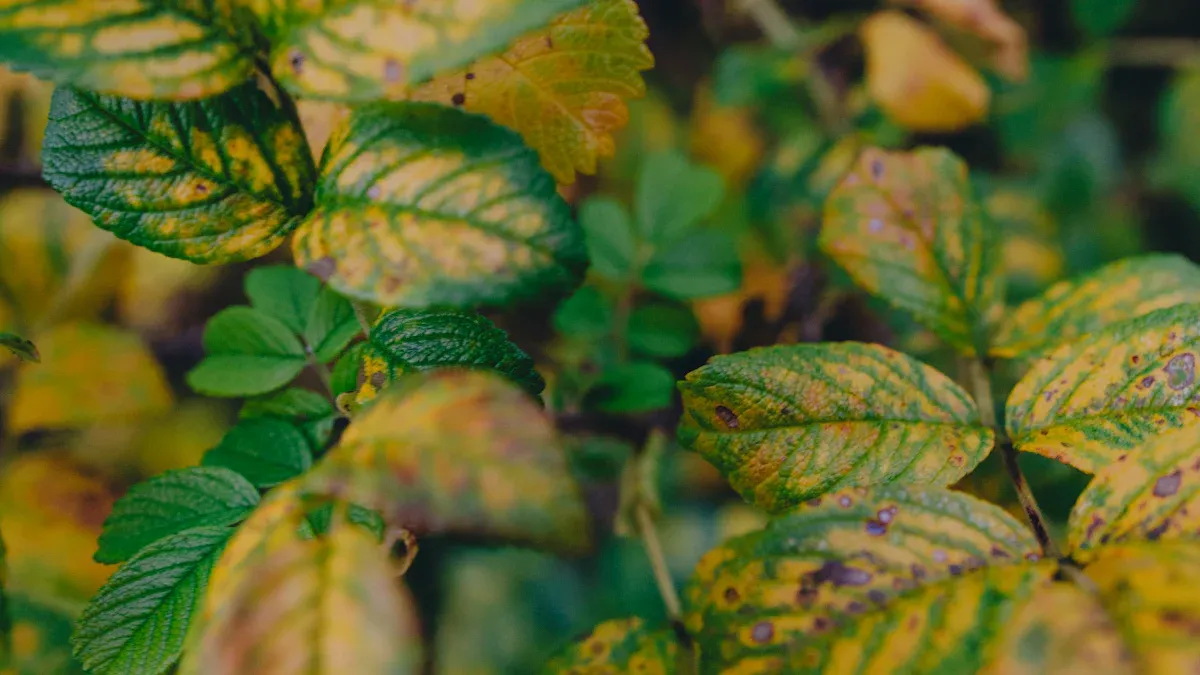
You can spot manganese deficiency before plants stop growing. Look at the leaves in a field with low manganese. New leaves may look yellow between the veins. Sometimes, brown spots show up and die. These problems start on the youngest leaves first. Manganese deficient soybeans and wheat have these issues too. When new leaves look pale, plants cannot make enough food. This means less green leaf area and lower harvests.
Here’s what to look for:
Brown spots that die
Pale new growth
Less green on leaves
If you see these signs, your soil may lack manganese. Not enough manganese slows plant growth and lowers your harvest.
Toxicity Signs
Too much manganese can hurt plants like not enough. You might see dark brown or black spots on old leaves. Sometimes, leaves curl up or look burned. Manganese toxicity happens in very acidic soil. Using too much manganese sulfate can cause this problem. Plants may stop growing or lose leaves early. Watch for these signs so you can fix things fast.
Common signs of manganese toxicity:
Dark brown or black spots on leaves
Leaves curling or burning
Leaves falling off early
Plants not growing well
If you see these signs, check your soil pH. You may need to raise the pH or use less manganese.
Soil Testing
You cannot always see manganese problems right away. Soil testing helps you find issues before they get worse. Test your soil every year to check manganese levels. This tells you if you need more or less manganese. Testing also helps you avoid too much manganese from overuse. If you want healthy plants, watch your soil and change treatments as needed. Soil tests help keep manganese at the right level.
Tip: Use a simple soil test kit to check for manganese deficiency and manganese toxicity. This helps you fix problems early and keep your plants strong.
Manganese Sulfate Application
Best Practices
You want your plants to get the most out of manganese sulfate. Start by testing your soil before you apply anything. This helps you know if your crops need more manganese or not. Always follow the instructions on the product label. Spread the fertilizer evenly so every plant gets the same chance to grow strong. Water your field after applying manganese sulfate to help it soak into the soil. If you use foliar sprays, make sure to cover the leaves well. Try not to apply when it is too hot or windy. This keeps the nutrient where your plants need it most.
Tip: Keep records of when and how much you apply. This helps you track what works best for your crops.
Rates and Timing
Getting the timing right makes a big difference in agriculture. You should apply manganese sulfate at key growth stages. For wheat, the best times are 25–30 days and 35–40 days after sowing. This helps your plants take up more manganese and boosts crop performance. If you wait too long, your plants might miss out on important nutrients. Foliar sprays work well for quick fixes. They can increase grain yield and make sure the grains have enough manganese. Always check your crop’s needs and adjust your plan as you go.
Apply at 25–30 days after sowing
Apply again at 35–40 days after sowing
Use foliar sprays for fast results
Supporting Soil Microorganisms
Healthy soil is full of life. When you use manganese sulfate, you help good microorganisms grow. These tiny helpers break down organic matter and release nutrients for your plants. They also keep the soil structure loose, so roots can spread out. More microorganisms mean better nutrient availability and stronger crops. You support the whole soil ecosystem when you use the right amount of manganese sulfate.
Note: Healthy microorganisms lead to healthier plants and better harvests.
You help your soil stay healthy by what you do. Using manganese sulfate helps plants get the nutrients they need. Testing your soil often lets you find problems early. You can see if there is not enough or too much manganese. Manganese sulfate works better than other fertilizers. It also helps plants make food from sunlight. Look at this table for some quick facts from farm studies:
Key Aspect | Evidence |
|---|---|
Role in Plant Health | Manganese helps enzyme systems and photosynthesis, making chlorophyll for strong plants. |
Application Methods | Broadcasting or foliar methods work, but foliar is best for sandy soil. |
Efficiency of Manganese Sulfate | Manganese sulfate is the most efficient and cost-effective fertilizer. |
Keep checking your soil and use good steps. Your plants will be healthier and your harvests will be better!
FAQ
What is the best way to apply manganese sulfate to my garden?
You can spread manganese sulfate evenly over the soil or mix it with water for a foliar spray. Water your plants after applying. Always follow the instructions on the package for the best results.
How often should I test my soil for manganese levels?
Test your soil once a year. This helps you catch problems early. If you see signs of deficiency or toxicity, test again before making changes.
Can I use manganese sulfate with other fertilizers?
Yes, you can use it with most fertilizers. Just make sure you do not overapply. Too much can harm your plants. Always check the label and follow the recommended rates.
What are the signs that my plants have too much manganese?
Look for dark brown or black spots on older leaves. Leaves may curl or drop early. Growth may slow down. If you see these signs, test your soil and adjust your treatment.
Related Products

manganese dioxide

manganese carbonate

manganese sand
Related Posts

I am Edward lee, founder of manganesesupply( btlnewmaterial) , with more than 15 years experience in manganese products R&D and international sales, I helped more than 50+ corporates and am devoted to providing solutions to clients business.