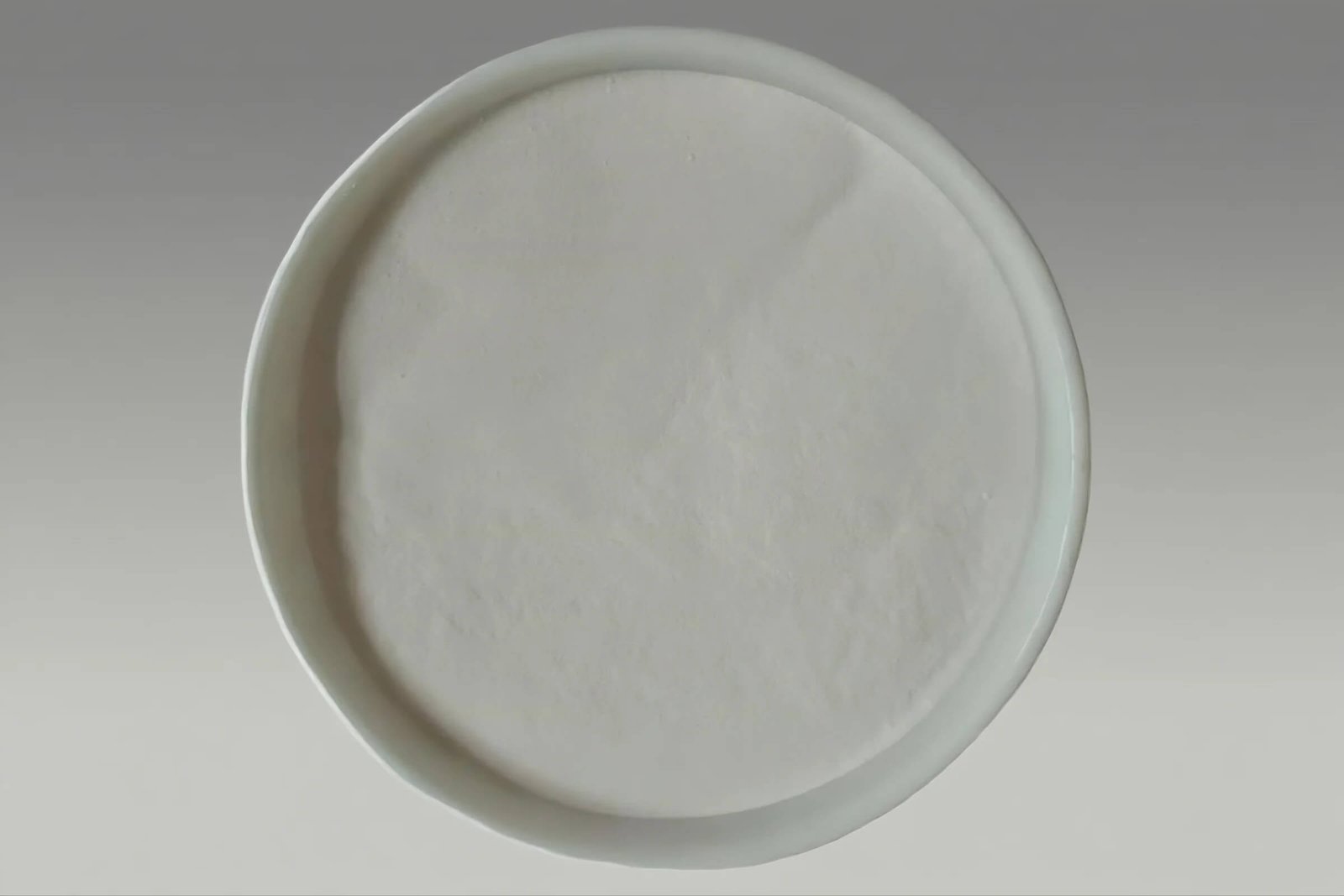
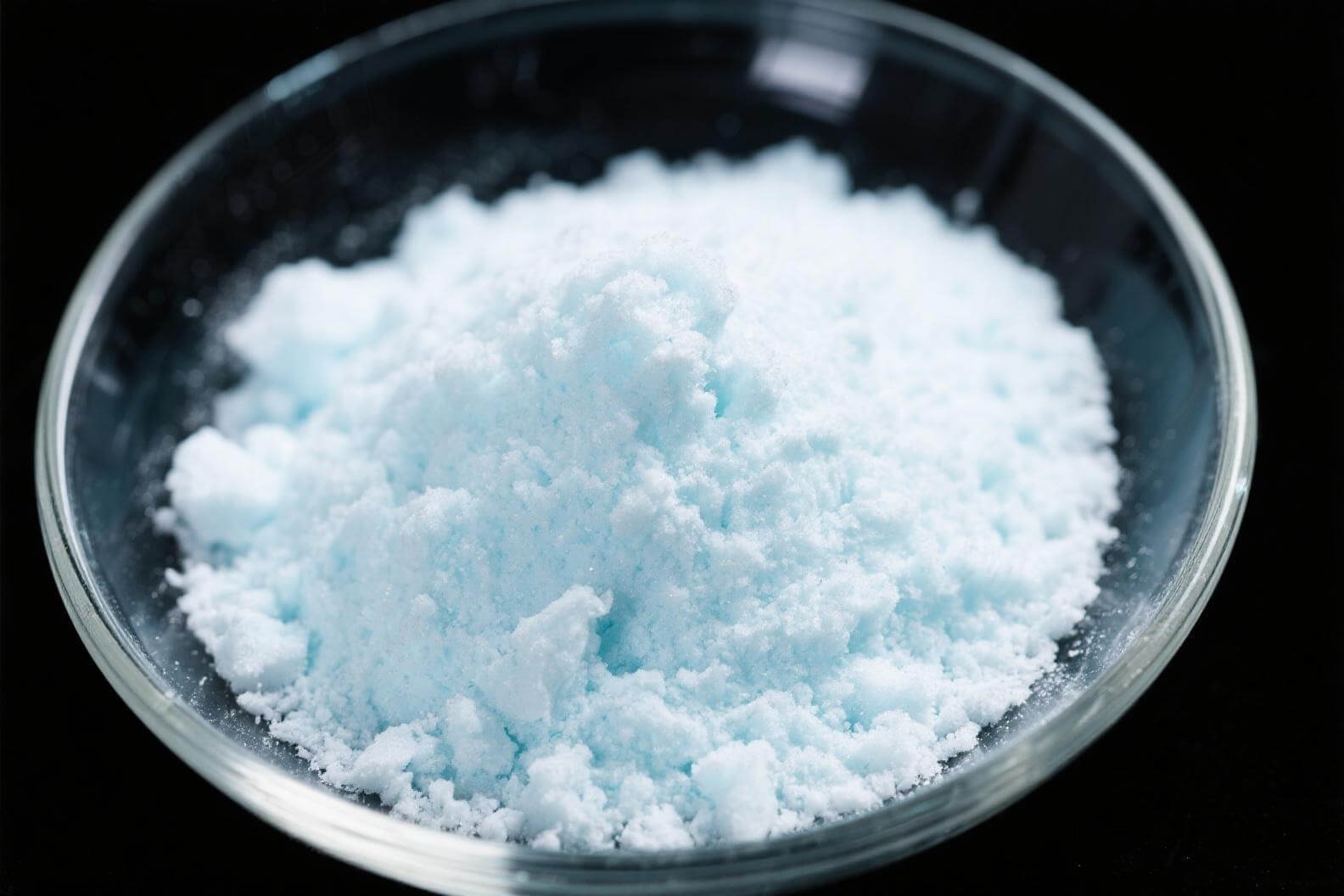
Manganese is an essential element, and its most versatile and widely-used compound is Manganese Sulfate Monohydrate (). It is a cornerstone ingredient across a multitude of industries, with its primary applications found in agriculture, animal feed, and chemical manufacturing. As a vital micronutrient, it is a key component in fertilizers, helping crops grow strong and healthy by facilitating photosynthesis and other metabolic processes. Similarly, in animal feed, it is a critical supplement that supports bone development and overall animal health. The journey of this crucial compound, from a raw mineral deep within the earth to a refined, high-purity powder, is a testament to sophisticated chemical engineering and rigorous quality control.
Btlnewmaterial ,a leading high-purity Manganese Sulfate Monohydrate Supplier, has perfected this complex process. We understand that the final product’s efficacy and reliability are directly tied to the precision and quality of every step along the way. This article will provide a comprehensive, step-by-step overview of our production methodology, offering insight into the technical expertise and unwavering commitment to excellence that define our manufacturing philosophy.
Phase I: Raw Material Sourcing and Selection
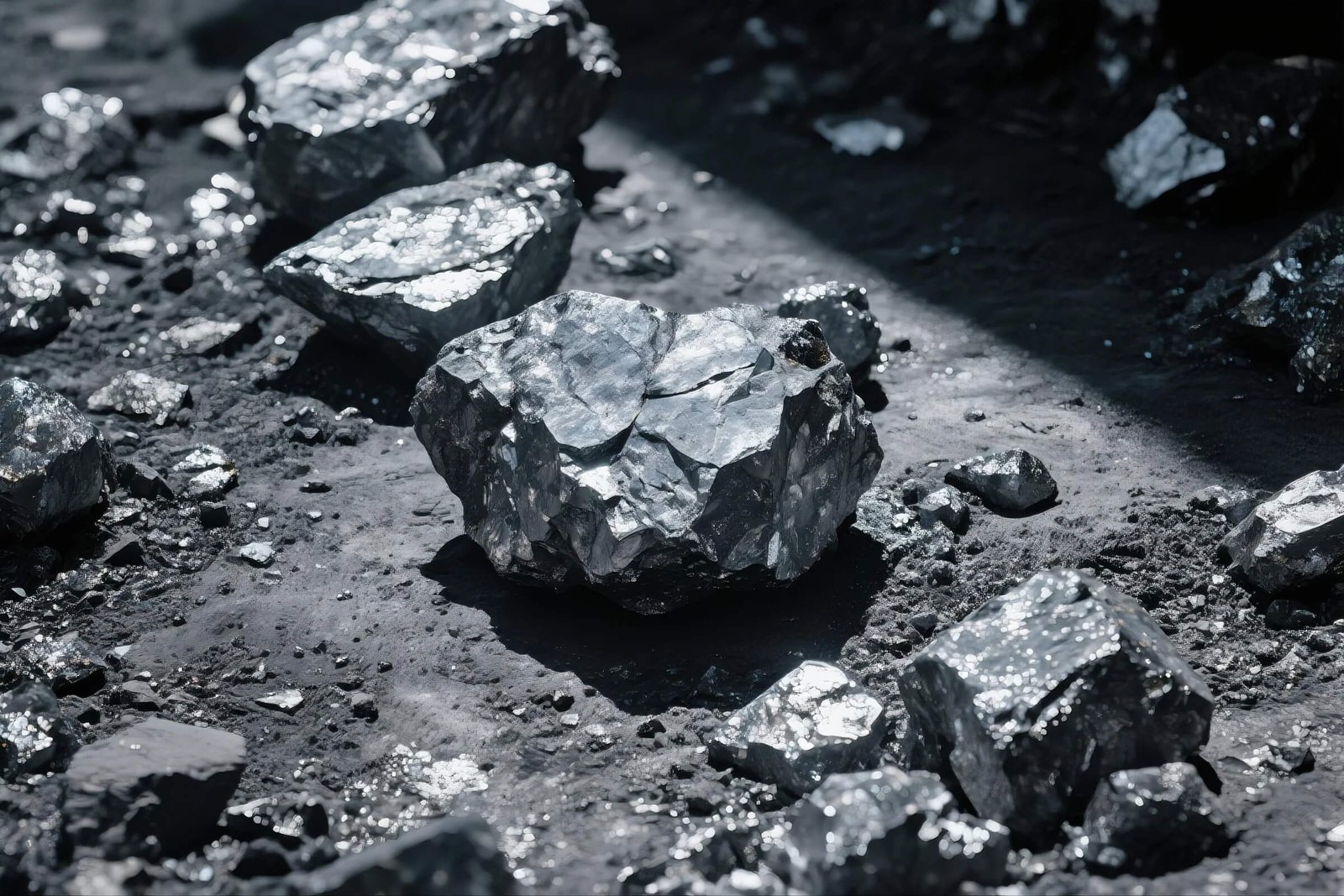
The foundation of a superior final product lies in the quality of its raw materials. Our process begins long before the first reaction, with the meticulous sourcing and selection of manganese ore. Not all manganese ores are created equal; their quality varies significantly depending on their geological origin, mineral composition, and purity. We primarily utilize manganese ore with a high concentration of manganese dioxide (), as this mineral form is the most suitable for our chemical extraction process.
Our sourcing strategy is built on long-term relationships with reputable mines known for their consistent ore quality. Upon arrival at our facility, every batch of raw ore undergoes a comprehensive inspection and analysis. We perform assays to determine the precise concentration of manganese, but more importantly, we test for the presence of undesirable impurities, such as iron, aluminum, silica, and heavy metals. These contaminants, if not managed at this initial stage, can complicate subsequent purification steps and compromise the purity of the final product. The U.S. Geological Survey (USGS) provides detailed insights into the
Phase II: The Chemical Transformation - Crushing, Leaching, and Filtration
The journey from ore to final product is a precise chemical transformation. It is a multi-stage process where the solid, insoluble ore is converted into a soluble, pure manganese sulfate solution.
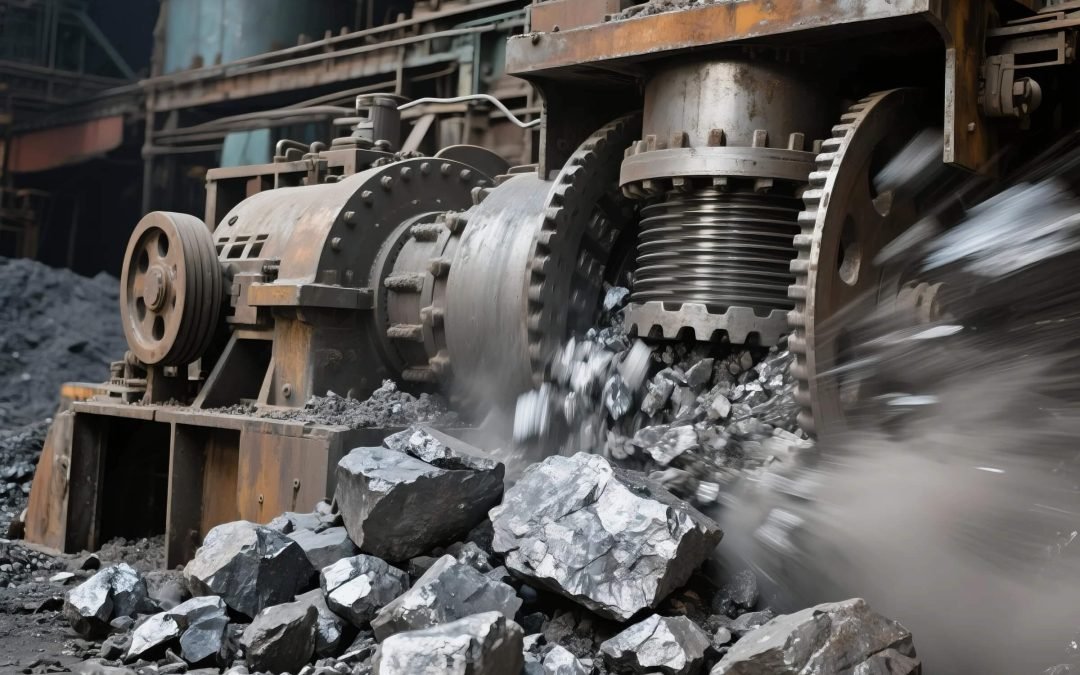
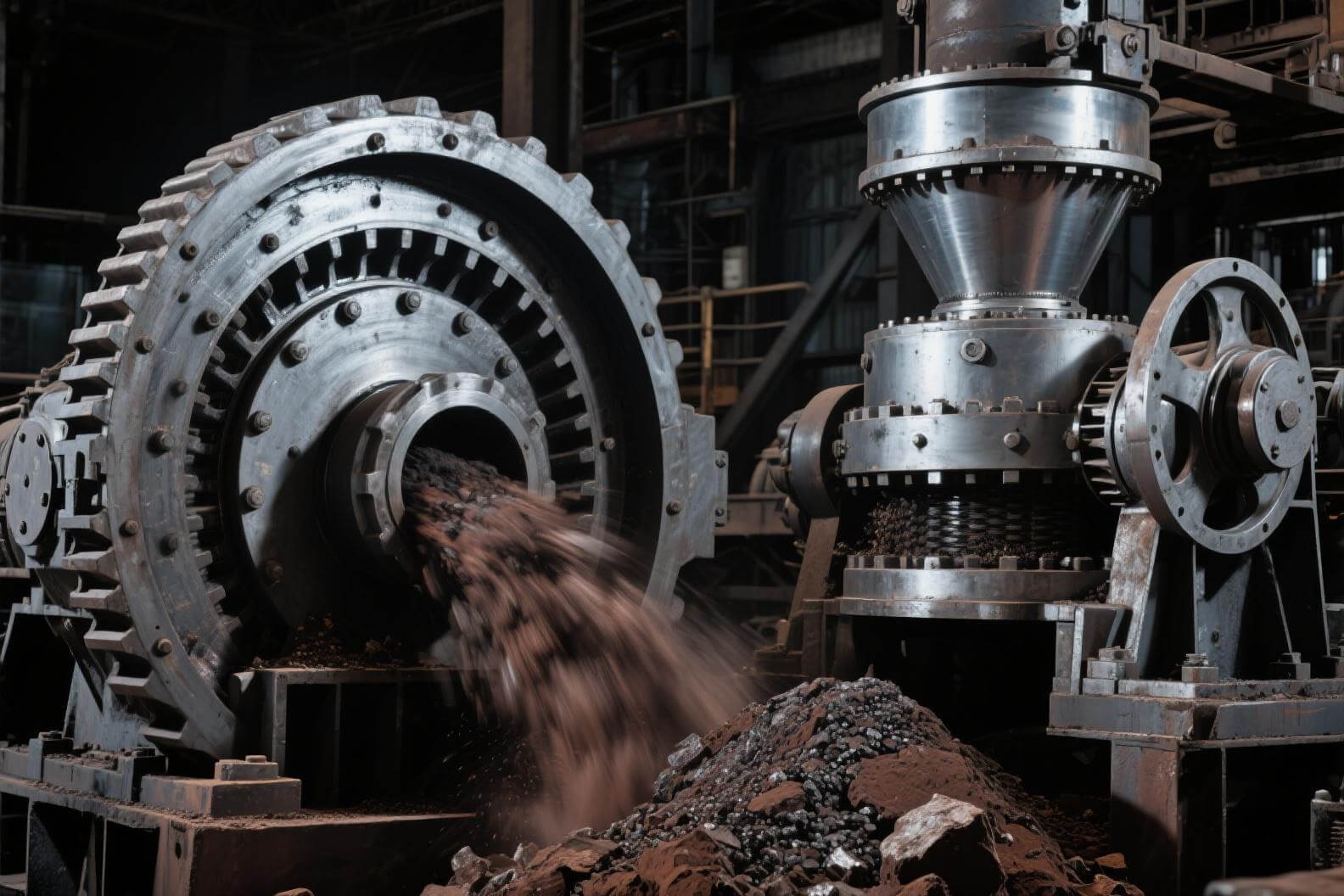
Crushing and Grinding: The first step is purely mechanical. The large manganese ore rocks are fed into a series of crushers and grinders, which reduce them to a fine, uniform powder. This fine particle size is essential as it dramatically increases the surface area, allowing for a much more efficient and complete chemical reaction in the next stage. The finely ground ore is then stored in a controlled environment, ready for the leaching process.
Leaching (Dissolution): This is the core chemical stage. The manganese ore powder, predominantly composed of manganese dioxide (), is mixed in large, agitated reactors with sulfuric acid () and a reducing agent. This controlled process is designed to convert the insoluble manganese dioxide into a soluble form, manganese sulfate (). The simplified chemical reaction is:
The reducing agent is crucial because it facilitates the conversion of manganese from its tetravalent state () in the ore to its divalent state () in the sulfate solution. Our engineers meticulously control key parameters such as temperature, concentration of reagents, and reaction time to maximize the yield of manganese sulfate while minimizing unwanted side reactions. The Britannica Encyclopedia offers a detailed explanation of
Primary Filtration: Following the leaching reaction, the solution contains not only the desired manganese sulfate but also a significant amount of solid, undissolved impurities and waste material. This heterogeneous mixture is passed through a primary filtration system. High-efficiency filter presses are used to separate the liquid manganese sulfate solution from the solid waste, known as gangue. This initial filtration is a critical step to prepare the solution for the subsequent purification stage.
The Art of Purification - Ensuring Purity Beyond Standards
The key differentiator for a premium-quality product is the effectiveness of its purification process. The filtered solution from the previous stage, while rich in manganese sulfate, still contains trace amounts of impurities like iron, aluminum, and other heavy metals that were present in the original ore. These must be removed to meet the stringent purity standards required by our customers, especially those in the agricultural and animal feed industries.
Our purification process is a multi-stage, scientifically engineered protocol. It involves a series of carefully controlled chemical precipitations and secondary filtration steps. For example, by precisely adjusting the pH of the solution, we can selectively precipitate out specific impurities. Iron, a common contaminant, is particularly difficult to remove but is successfully separated from the solution at a specific pH range. The solution is then passed through another set of advanced filtration systems, which can include microfiltration or activated carbon beds, to remove any remaining fine particulate matter or organic impurities. This process is complex and requires continuous monitoring by our on-site laboratory. An archived EPA document on
Phase IV: Finalizing the Product - Crystallization, Drying, and Packaging
The final phase of production transforms the purified liquid into the solid, stable product that is shipped to our customers. This stage is a delicate balance of physical and chemical principles, ensuring the final product has the correct crystal structure, moisture content, and particle size.
Crystallization: The pure manganese sulfate solution is fed into large crystallization tanks. Here, the solution is concentrated, often under a vacuum, which lowers the boiling point and allows for controlled evaporation of water. As the water evaporates, the solution becomes supersaturated, and the manganese sulfate begins to form stable crystals. Our process is carefully designed to encourage the growth of uniform, high-quality crystals, which are easier to handle and dissolve more consistently than irregular crystals. Ataman Chemicals, a leading industry supplier, explains the
Drying: The newly formed manganese sulfate crystals are still wet. To achieve the stable monohydrate form (), the crystals are fed into a specialized drying system, such as a fluid-bed dryer or a rotary dryer. The temperature and airflow within the dryer are precisely controlled to remove the exact amount of water needed to reach the monohydrate state. Over-drying can lead to the formation of the anhydrous form, which is less stable and less soluble, while under-drying can result in clumping and caking. Our meticulous process ensures the perfect balance, resulting in a free-flowing, stable powder.
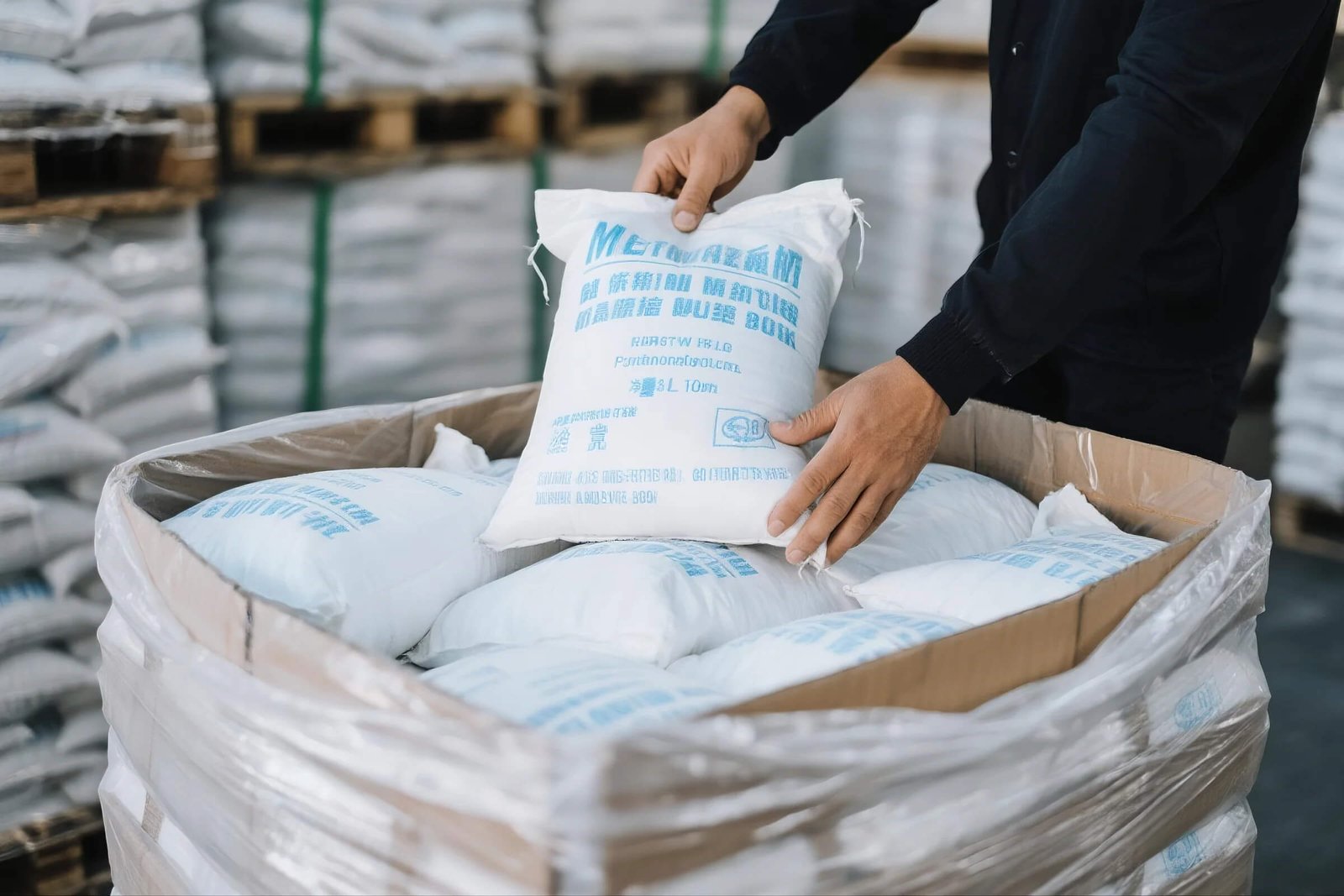
Screening and Packaging: After drying, the product is passed through a screening process to ensure a uniform particle size distribution. This consistency is highly valued by our customers, particularly in the fertilizer and feed industries, where uniform particle size is critical for blending and application. The final product is then packaged in durable, moisture-proof bags, sealed, and labeled according to international standards. This final step protects the integrity of the product and ensures it reaches our customers in perfect condition.
FAQs
Q1: What is the primary use of Manganese Sulfate Monohydrate?
A1: The primary use is as a micronutrient in agriculture. It is added to fertilizers to correct manganese deficiencies in soil, which is crucial for crop growth and yield. It is also a common additive in animal feed to promote healthy development, and it has applications in chemical synthesis and metal plating.
Q2: How can I be sure of the quality and purity of your Manganese Sulfate Monohydrate?
A2: Quality is our top priority, and we ensure it through a multi-stage quality control process. We test raw materials, monitor the solution during production, and perform a final comprehensive analysis on the finished product. This analysis includes checking for purity, moisture content, and the absence of heavy metals. We provide a Certificate of Analysis (CoA) with every shipment.
Q3: Is Manganese Sulfate Monohydrate safe to handle?
A3: Manganese Sulfate Monohydrate is considered safe when handled correctly. However, as with most chemical compounds, it is important to follow standard safety protocols. This includes wearing appropriate personal protective equipment (PPE) such as safety glasses, gloves, and a dust mask to prevent skin and eye irritation or inhalation.
Related Products

manganese dioxide

manganese carbonate

manganese sand
Related Posts

I am Edward lee, founder of manganesesupply( btlnewmaterial) , with more than 15 years experience in manganese products R&D and international sales, I helped more than 50+ corporates and am devoted to providing solutions to clients business.