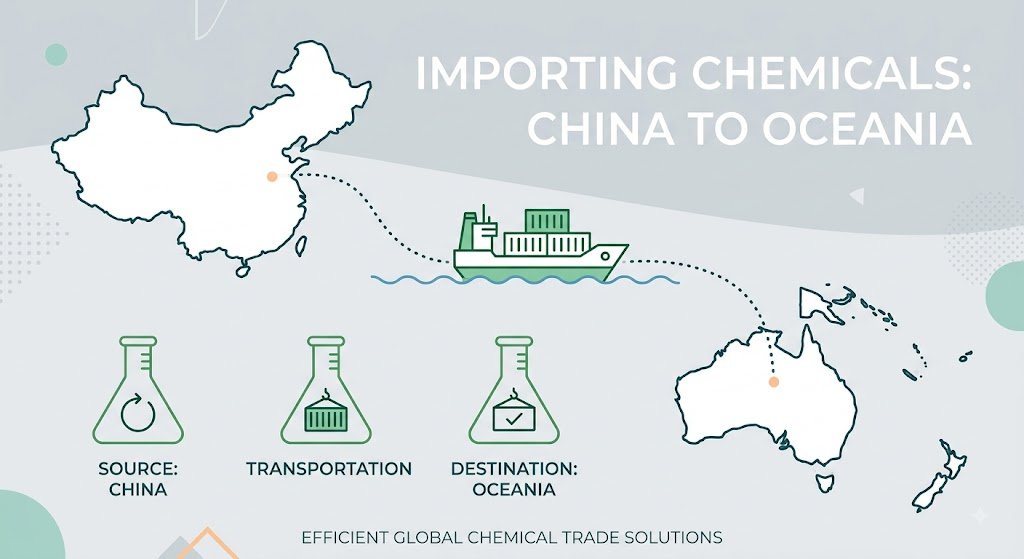
Importing inorganic chemical materials from China to Oceania requires careful preparation of product documentation, shipping procedures, and biosecurity compliance.
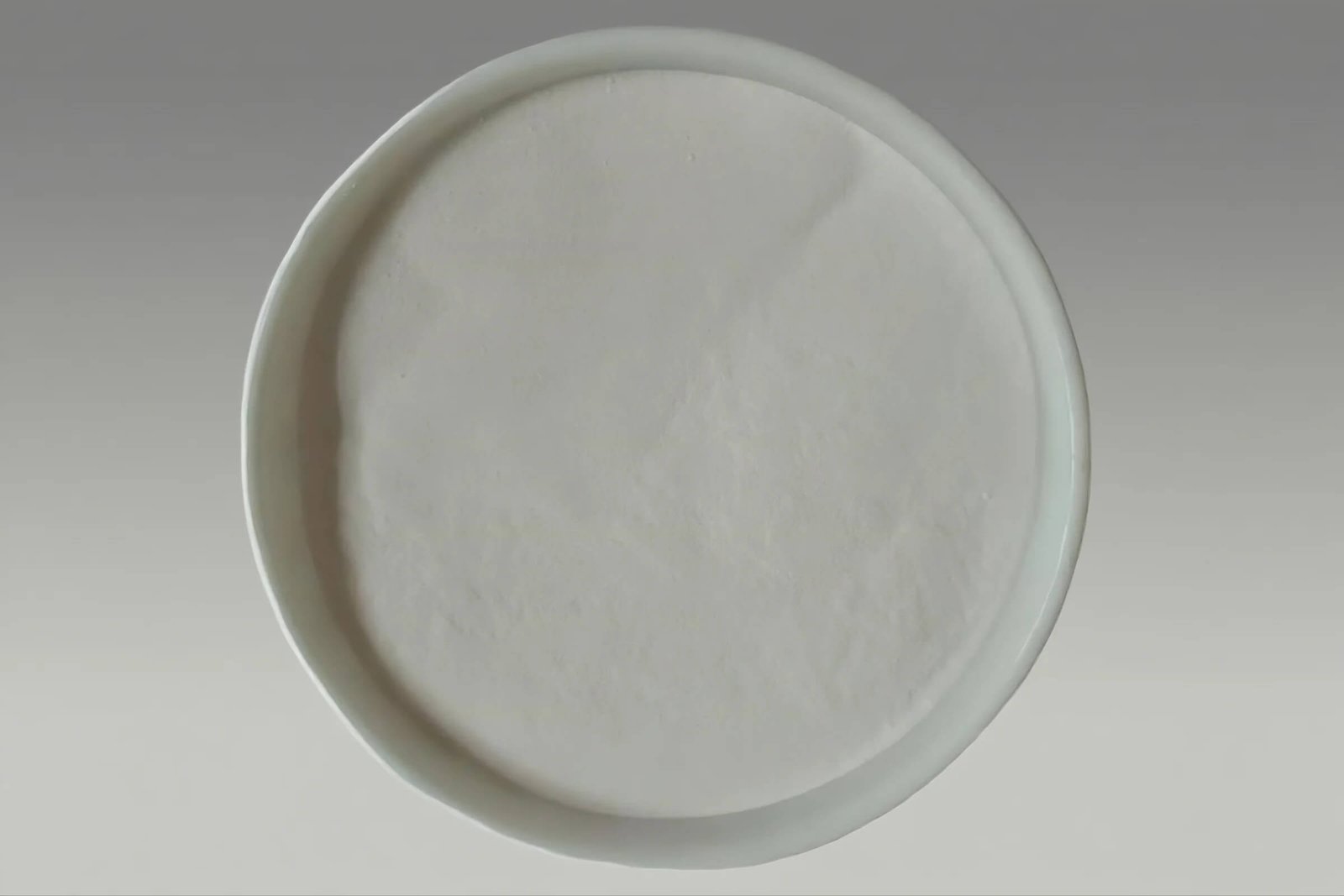
Products such as Manganese Carbonate (MnCO₃, CAS No. 598-62-9), Manganese Dioxide (MnO₂), Manganese Oxide (MnO), and Zinc Sulfate are widely used in fertilizer manufacturing, agriculture, and industrial applications.
However, countries including New Zealand and Australia have strict requirements for imported chemical materials. Importers must ensure that product classification, shipping documents, packaging methods, and container conditions are properly prepared before shipment.
A small inconsistency in documentation or packaging compliance may result in additional inspections, clearance delays, or unexpected handling costs.
Based on practical export experience, this guide summarizes five common challenges faced by importers purchasing inorganic chemicals from China and explains how to avoid them.
Pitfall 1: Inconsistent Information Across Shipping Documents
One of the most common causes of customs clarification requests is inconsistent information between export documents.
Common Problems
Examples include:
- Different company names appearing on the Bill of Lading, COA, and Invoice
- Missing manufacturer information on quality documents
- Product names that do not match between documents
- Different batch numbers between COA and shipment labels
Why It Creates Problems
Customs authorities and importers need to confirm that:
- The product comes from the declared manufacturer
- The documents belong to the same shipment
- The chemical identity matches the imported material
How to Avoid Documentation Issues
A reliable chemical supplier should ensure that all documents contain consistent information, including:
- Company name
- Registered address
- Product name
- CAS number
- Batch number
- Production date
- Quality specifications
For example, a shipment of Manganese Carbonate should consistently show:
Manganese Carbonate (MnCO₃), CAS No. 598-62-9
across the COA, Commercial Invoice, Packing List, and Technical Documents.
Pitfall 2: Incorrect Product Classification and Description
Correct product classification is essential when importing chemical raw materials.
Common Classification Mistakes
Some importers or forwarders may use unclear descriptions such as:
- Mineral supplement
- Feed additive
- Industrial powder
when the actual product is a fertilizer raw material.
Potential Consequences
Incorrect descriptions may cause additional questions from authorities because different product categories can involve different import requirements.
For example:
- Fertilizer raw materials
- Animal feed ingredients
- Industrial chemicals
may follow different regulatory pathways.
How to Avoid Classification Problems
Use accurate chemical descriptions on shipping documents.
For fertilizer applications, clearly state:
Fertilizer Grade Manganese Carbonate (MnCO₃)
and include:
CAS No. 598-62-9
This helps customs and import teams correctly identify the material.
Pitfall 3: Ignoring Wooden Packaging and Biosecurity Requirements
Wood packaging is an important consideration when shipping bulk chemicals to Oceania.
Countries such as New Zealand and Australia maintain strict controls regarding imported timber packaging materials.
Common Wooden Packaging Issues
Problems may occur when:
- Wooden pallets do not have valid ISPM 15 markings
- Treatment certificates are unavailable
- Packaging information is inconsistent with shipping documents
Possible Consequences
Non-compliant wooden packaging may lead to:
- Additional inspection
- Treatment requirements
- Port delays
- Additional handling expenses
How to Reduce Timber Packaging Risks
For bulk manganese compounds, many exporters choose:
Direct-loaded jumbo bags without wooden pallets
Advantages include:
- No wooden pallet treatment requirements
- Better container space utilization
- Reduced packaging-related inspection risks
Typical export packaging:
- 1,000kg–1,250kg polypropylene FIBC jumbo bags
- Optional PE inner liner
- Direct container loading
Pitfall 4: Poor Container Cleanliness and Missing Supporting Documents
For agricultural and chemical products, container cleanliness is an important part of import compliance.
Common Container Problems
Examples include:
- Soil contamination
- Organic residue from previous cargo
- Foreign materials inside the container
- Poor container cleaning before loading
Why Container Condition Matters
Biosecurity authorities may inspect containers to ensure imported goods do not introduce:
- Soil contamination
- Plant material
- Biological risks
Recommended Export Practices
Before loading, suppliers should:
- Inspect container condition
- Remove foreign materials
- Confirm container cleanliness
- Prepare relevant shipping declarations if required
For fertilizer-grade manganese carbonate shipments, buyers may request supporting documents such as:
- Container cleanliness declaration
- Manufacturer statement
- Product quality documents
Pitfall 5: Missing Ocean Freight Safety Documentation
Some inorganic chemical powders require proper transport documentation before ocean shipment.
Common Shipping Issue
Importers may experience booking problems when suppliers cannot provide sufficient transport information.
Examples:
- Missing product safety information
- Incorrect cargo classification
- Lack of supporting transport documents
How to Avoid Shipping Delays
Before shipment, confirm that your supplier can provide:
- Safety Data Sheet (SDS)
- Product specification sheet
- Transport classification information
- Non-Dangerous Goods confirmation when applicable
For manganese compounds such as MnCO₃, proper documentation helps shipping lines and logistics providers correctly evaluate transportation requirements.
Chemical Import Compliance Checklist for Oceania Buyers
Before shipment departure, importers should confirm the following documents and information:
| Document | Key Information to Check |
|---|---|
| Commercial Invoice & Packing List | Correct product name, CAS number, packaging details |
| Certificate of Analysis (COA) | Mn content, moisture, heavy metals, batch information |
| Safety Data Sheet (SDS) | Product safety and transport information |
| Packing Declaration | Packaging materials and pallet information |
| Manufacturer Documents | Supplier identity and production information |
For fertilizer-grade Manganese Carbonate, buyers commonly review:
- Mn content ≥43%
- Heavy metals such as As, Pb, Cd
- Moisture level
- Packaging method
- Batch traceability
Frequently Asked Questions About Importing Manganese Carbonate
Why is the CAS number important for chemical imports?
The CAS number provides a globally recognized chemical identification system.
For Manganese Carbonate:
CAS No. 598-62-9
helps buyers, customs authorities, and logistics providers confirm the exact chemical substance being shipped.
How can importers reduce biosecurity risks when shipping bulk chemicals?
Using clean containers and avoiding unnecessary wooden packaging can simplify the import process.
For bulk mineral products, direct-loaded jumbo bags without wooden pallets are commonly used to reduce timber-related compliance requirements.
What documents should I request from a Chinese manganese carbonate supplier?
A professional supplier should provide:
- Certificate of Analysis (COA)
- Safety Data Sheet (SDS)
- Technical Data Sheet (TDS)
- Commercial Invoice
- Packing List
- Shipping-related documents when required
Reliable Manganese Compound Supplier for Global Importers
At Leiyang BTL New Material Co., Ltd., we manufacture and export manganese compounds including:
- Fertilizer Grade Manganese Carbonate (MnCO₃)
- Manganese Oxide (MnO)
- Manganese Dioxide (MnO₂)
We support international customers with:
✓ Batch-specific COA documentation
✓ Export-standard jumbo bag packaging
✓ Product traceability
✓ Technical documentation support
✓ Flexible FOB and CFR shipping solutions
For manganese carbonate specifications, COA samples, or bulk shipment inquiries, contact our export team.

I am Edward lee, founder of manganesesupply( btlnewmaterial) , with more than 15 years experience in manganese products R&D and international sales, I helped more than 50+ corporates and am devoted to providing solutions to clients business.