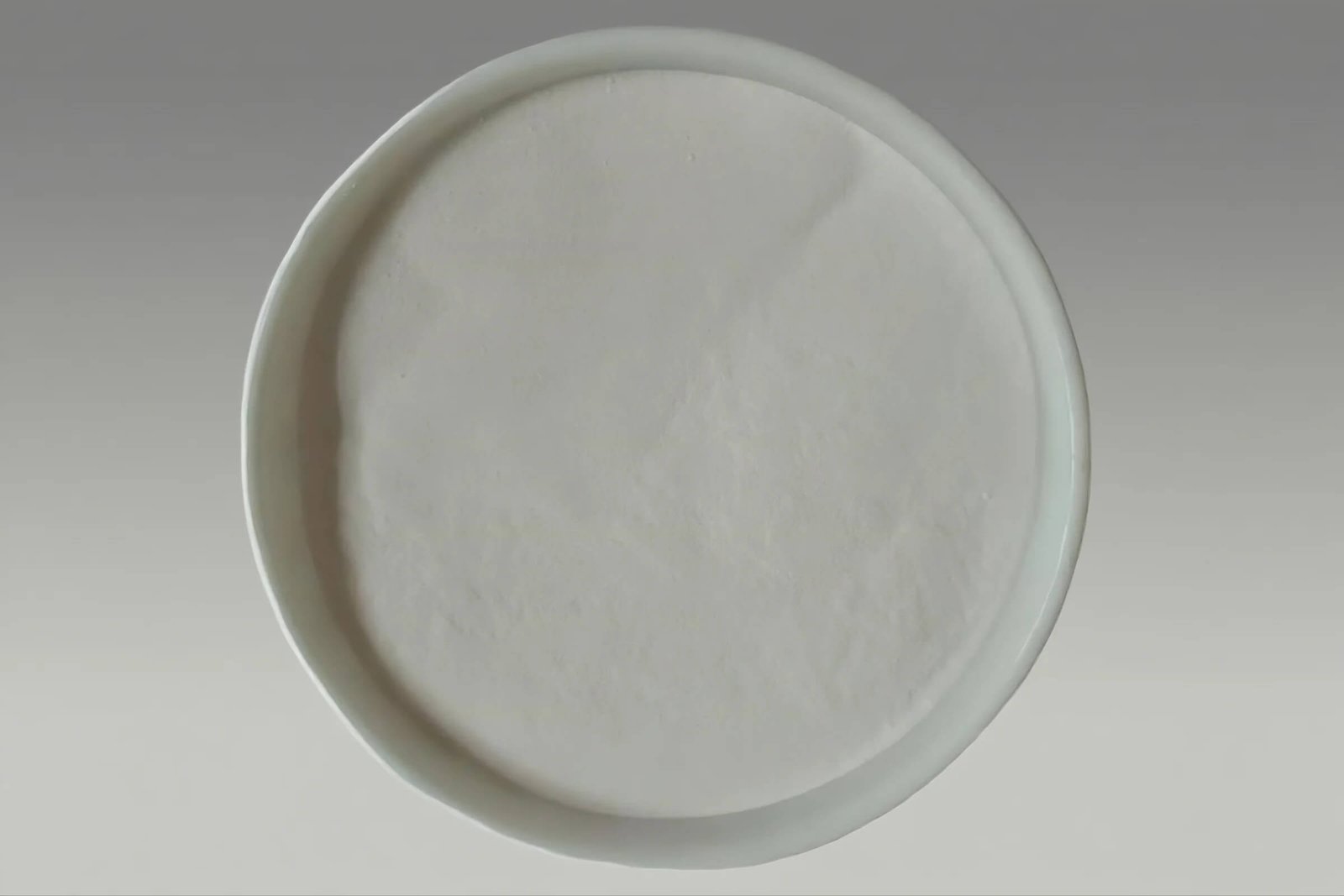
Gamma manganese dioxide (γ-MnO₂) is a critical reagent in organic synthesis, valued for its oxidative capabilities and high surface reactivity. Its unique crystal structure allows selective oxidation of alcohols, amines, and other functional groups with high efficiency and reproducibility. For chemists and chemical manufacturers, γ-MnO₂ provides measurable benefits such as enhanced yield (up to 95% in alcohol oxidation), controlled particle size (2–20 µm) for optimized reaction kinetics, and low impurity levels (<50 ppm Fe), ensuring minimal side reactions. Understanding the structural characteristics of γ-MnO₂ is essential for choosing the right precursor, controlling reaction conditions, and achieving consistent product quality in laboratory and industrial applications.
Technical Background
What is γ-MnO₂?
Manganese dioxide (MnO₂) exists in multiple polymorphic forms, including α, β, and γ. Among these, γ-MnO₂ is widely employed in organic synthesis due to its high catalytic activity. The γ form exhibits a tunnel-type crystal structure that provides a high density of reactive surface sites, which facilitates electron transfer during oxidation reactions.
Applications in Organic Synthesis
γ-MnO₂ is primarily used as an oxidant for:
Alcohols → Carbonyl compounds: selective oxidation of primary and secondary alcohols to aldehydes and ketones.
Amines → Imines: mild oxidation conditions reduce overreaction.
Aromatic hydroxylation and other specialty transformations in fine chemical production.
Importance of Precursor Quality
The starting manganese source, typically electrolytic MnO₂ or chemically reduced MnO₂, determines the crystal structure, surface area, and impurity profile of the final γ-MnO₂. High-quality precursors lead to more uniform crystal formation, consistent particle size, and reduced trace metals, all critical for reproducible organic reactions.
Key Benefits of γ-MnO₂ in Organic Synthesis
1. Crystal Structure → Oxidation Efficiency
The γ-MnO₂ polymorph forms a tunnel-like lattice with mixed Mn³⁺/Mn⁴⁺ oxidation states. These tunnels provide high surface area (~50–120 m²/g) and facilitate electron transfer, enhancing oxidation efficiency.
Typical KPI: Alcohol conversion rate 85–95% under mild conditions.
Mechanism: Adsorption of the substrate onto reactive Mn sites allows selective oxidation while minimizing side reactions.
2. Particle Size (D50 2–20 µm) → Reaction Kinetics
Particle size impacts:
Mixing uniformity: Smaller particles disperse more evenly in solvents.
Reaction speed: High surface area accelerates electron transfer.
Catalyst recovery: Larger particles simplify filtration and reuse.
3. Purity (%) → Product Consistency
Typical purity: 90–98% MnO₂ content.
Low impurities (<50 ppm Fe, <20 ppm Cu) reduce unwanted side reactions and color contamination in sensitive organic compounds.
4. Moisture & Loss on Ignition (LOI)
Moisture content: 0.2–1.5%
LOI: 5–10%
Low moisture ensures consistent reactivity and prevents agglomeration, while controlled LOI indicates stable oxidation states.
Specification Table
| Parameter | Typical Range (Industrial / Organic Synthesis Grade) | Why It Matters |
|---|---|---|
| MnO₂ Purity (%) | 90–98 | Determines oxidative efficiency |
| Particle size D50 (µm) | 2–20 | Influences reaction kinetics and mixing |
| Fe content (ppm) | <50 | Prevents unwanted side reactions |
| Heavy metals (ppm) | <20 Cu, <5 Pb, <5 As | Ensures product quality and compliance |
| Moisture (%) | 0.2–1.5 | Maintains reaction consistency |
| LOI (%) | 5–10 | Confirms oxidation state stability |
| Surface area (m²/g) | 50–120 | Higher area → higher reactivity |
Impact on Performance (KPIs)
Yield: High-purity γ-MnO₂ achieves up to 95% conversion of primary alcohols to aldehydes under mild conditions.
Selectivity: Controlled crystal structure ensures minimal over-oxidation or side products.
Reproducibility: Narrow particle size distribution maintains batch-to-batch consistency.
Process Efficiency: Low impurity content reduces filtration issues and catalyst contamination.
Quality Control & Testing Methods
COA Verification: MnO₂ content, particle size, Fe/Cu/Pb levels, moisture, LOI.
ICP-OES / ICP-MS: Precise detection of trace metals.
Laser Diffraction (ISO 13320): Accurate D10/D50/D90 particle size analysis.
Moisture / LOI Testing: Gravimetric analysis ensures consistent reactivity.
Sampling Principles: Representative sampling critical for homogeneity and accurate QA.
Purchasing & Supplier Evaluation
Grades: Industrial (lower purity, larger particle size), Organic Synthesis (high purity, controlled PSD).
Packaging: Sealed drums, 25–50 kg bags; moisture-proof.
Storage: Cool, dry, ventilated to maintain reactivity.
Sourcing Risks: Low-cost suppliers may have high impurities, inconsistent particle sizes, or unstable oxidation states. Prefer suppliers with documented COAs and ISO/ASTM-compliant QA.
FAQ
What purity is recommended for organic synthesis?
≥95% MnO₂ for high selectivity and yield.What particle size is optimal?
D50 of 5–10 µm for balancing reaction speed and filtration.Why is LOI important?
LOI confirms the Mn³⁺/Mn⁴⁺ ratio and crystal stability.How are heavy metals controlled?
ICP-MS/ICP-OES monitoring ensures Fe, Cu, Pb are within acceptable ppm limits.Can γ-MnO₂ be reused?
Yes, recovery and mild calcination maintain activity, though repeated use may reduce surface area.Which grade is suitable for pharmaceutical synthesis?
High-purity, low-impurity γ-MnO₂ is required to meet regulatory standards.
Final Practical Checklist for Procurement & QA Teams
Verify MnO₂ purity ≥95% for sensitive reactions.
Confirm particle size D50 and PSD match process requirements.
Check Fe, Cu, Pb, As content via ICP-OES/MS.
Inspect moisture and LOI values to ensure stable oxidation state.
Obtain COA with each batch.
Use reputable suppliers with ISO/ASTM-compliant QA.
Store in cool, dry conditions to maintain reactivity.
Document batch-to-batch consistency for reproducible reactions.
Related Products

manganese dioxide

manganese carbonate

manganese sand

I am Edward lee, founder of manganesesupply( btlnewmaterial) , with more than 15 years experience in manganese products R&D and international sales, I helped more than 50+ corporates and am devoted to providing solutions to clients business.