Manganese dioxide (MnO₂, CAS 1313-13-9) is an inorganic compound widely used in batteries, ceramics, glass production, and water treatment. Like all industrial chemicals, handling it safely requires compliance with international standards such as GHS, OSHA, and REACH.
A Safety Data Sheet (SDS) provides essential information about the potential hazards, handling precautions, and regulatory guidelines for manganese dioxide.
Download manganese dioxide MSDS from the following link
1 : Check out Manganese dioxide solutuions for Battery Industry – EMD/CMD industry
2 : Check out Manganese dioxide solutions for Water Treatment & Filtration industry
3 : Check out Manganese dioxide solutions for Glass & Ceramics industry
4 : Check out Manganese dioxide solutions for Chemical Synthesis & Catalyst industry
5 : Check out Manganese dioxide solutions for Coatings & Sealants industry
6 : Check out Manganese dioxide solutions for Metallurgy & Special Uses industry
1. Identification of the Substance
Chemical Name: Manganese Dioxide
Formula: MnO₂
CAS Number: 1313-13-9
EC Number: 215-202-6
Product Code: MN-OX2-02
Primary Uses: Scientific research, battery production, ceramics, pigments, and filtration materials.
2. Hazard Identification
According to GHS (Regulation EC No 1272/2008):
Hazard Classifications:
Acute Toxicity (Oral, Inhalation), Category 4
Hazard Statements:
H302 + H332: Harmful if swallowed or inhaled
Precautionary Measures:
Avoid breathing dust.
Wash thoroughly after handling.
Use protective gloves, respirators, and safety glasses.
Signal Word: Warning
HMIS Rating (0–4):
Health: 2
Fire: 0
Reactivity: 1
3. First Aid Measures
Inhalation: Move the person to fresh air, provide artificial respiration if needed, and seek medical attention.
Skin Contact: Wash thoroughly with soap and water.
Eye Contact: Rinse cautiously with water for several minutes; seek medical advice.
Ingestion: Rinse mouth and call a doctor or poison center if unwell.
4. Firefighting Measures
Flammability: Product is not flammable.
Extinguishing Media: Use suitable extinguishing agents for surrounding materials.
Protective Equipment: Firefighters should wear self-contained respirators and full protective suits.
5. Accidental Release Measures
Ensure adequate ventilation.
Wear protective equipment to avoid inhalation and skin contact.
Prevent material from entering water systems or soil.
Collect and dispose of waste according to local regulations.
6. Handling and Storage
Store in tightly closed containers in a cool, dry place.
Keep away from oxidizing agents.
Ensure proper ventilation in work areas.
7. Exposure Controls & Personal Protection
Exposure Limits:
OSHA PEL: 5 mg/m³ (ceiling) as Mn
NIOSH REL: 1 mg/m³ (long-term)
ACGIH TLV: 0.02–0.1 mg/m³ depending on fraction
Protective Equipment:
Respiratory: N95 or equivalent filters when needed
Hands: Nitrile gloves (0.11 mm thickness, 480 min breakthrough time)
Eyes: Safety glasses
Body: Protective clothing
8. Physical and Chemical Properties
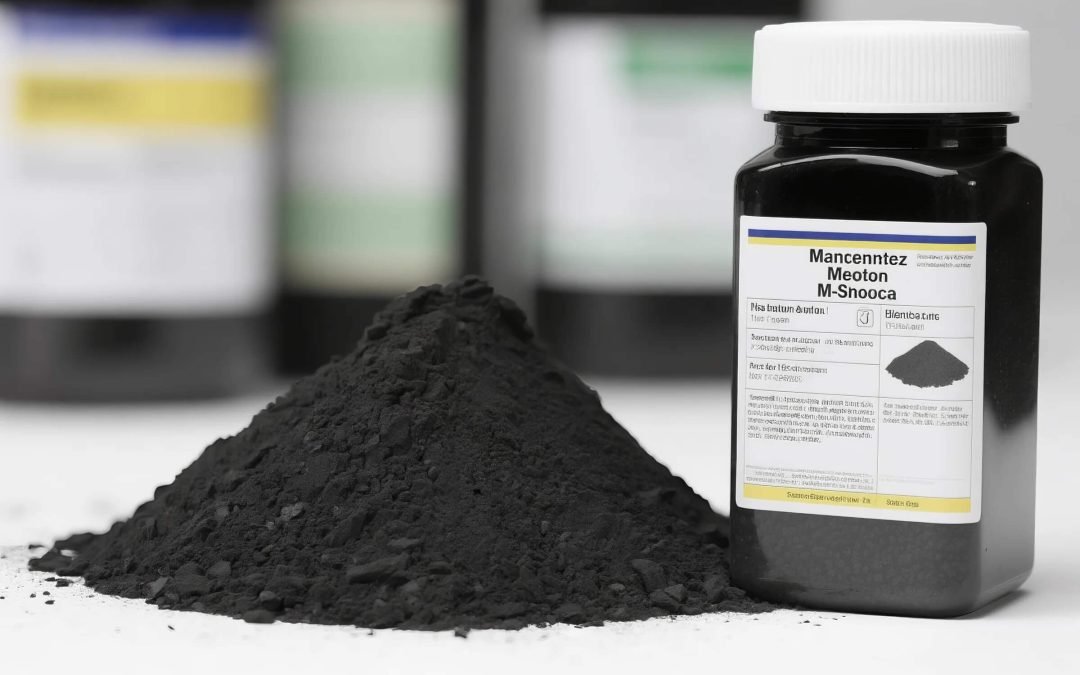
Appearance: Black solid or powder
Density: 5.026 g/cm³ (20 °C)
Melting Point: 535 °C (decomposes)
Solubility: Insoluble in water
Odor: Odorless
9. Stability and Reactivity
Stable under normal storage and handling conditions.
Incompatible with strong oxidizing agents.
10. Toxicological Information
Acute Toxicity:
Oral LD₅₀ (rat): 3478 mg/kg
Health Effects: Harmful if inhaled or ingested; may cause irritation to skin, eyes, and respiratory system.
Carcinogenicity & Mutagenicity: Not classified as carcinogenic.
11. Ecological Information
Avoid release into soil, groundwater, or sewage systems.
No specific data available on bioaccumulation or persistence.
12. Disposal Considerations
Dispose of according to local, regional, and international regulations.
Avoid contamination of water and soil.
13. Transport Information
UN Number: Not classified as a dangerous good for transport.
Marine Pollutant: No
14. Regulatory Information
Listed under US EPA TSCA and Canadian DSL.
Subject to SARA Section 313 reporting (specific toxic chemical).
Not listed under California Proposition 65.
REACH pre-registered in the EU.
15. Why SDS Matters in Global Trade
For manufacturers, distributors, and end-users, an SDS is not just a legal requirement but a critical document for workplace safety, compliance, and product acceptance in international markets.
Regulatory Compliance: SDS is mandatory under OSHA, GHS, and REACH.
Workplace Safety: Protects employees by providing emergency measures and PPE guidelines.
Trade Assurance: Buyers and importers expect suppliers to provide compliant SDS documentation before shipment.
16. Conclusion
The Manganese Dioxide Safety Data Sheet is essential for safe handling, regulatory compliance, and global trade. Understanding its content ensures the material can be used effectively in industries like battery production, ceramics, and water treatment while minimizing risks to human health and the environment.
Related Products

manganese dioxide

manganese carbonate

manganese sand
Related Posts

I am Edward lee, founder of manganesesupply( btlnewmaterial) , with more than 15 years experience in manganese products R&D and international sales, I helped more than 50+ corporates and am devoted to providing solutions to clients business.