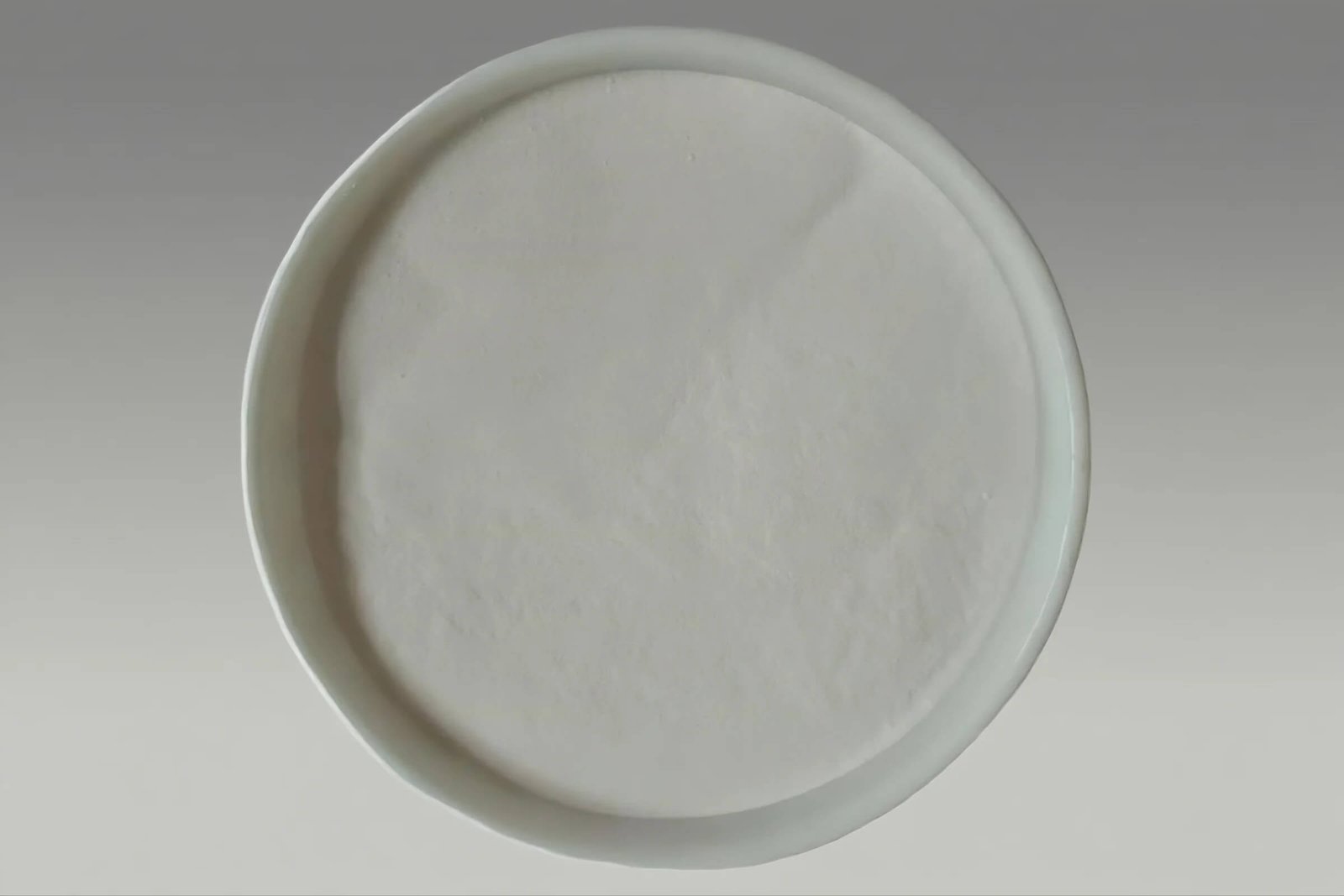
Manganese dioxide is a strong catalyst used in many industries. Understanding how does manganese dioxide work as a catalyst reveals that it speeds up chemical reactions by lowering the energy required to start them. This special ability makes manganese dioxide very important for industries that need quick and steady processing. Learning how does manganese dioxide work as a catalyst shows why it is essential for making industrial processes faster and saving money.
Manganese dioxide helps chemical reactions happen faster by lowering the energy needed to start them. This makes things work quicker and better.
It does not break down at high temperatures. It is safe to use in many jobs like making batteries, cleaning water, and controlling pollution.
The catalyst moves electrons during oxidation-reduction reactions. Its surface holds molecules and helps them react fast.
Making manganese dioxide into tiny shapes or mixing it with other metals makes it work better and last longer in new industries.
Water treatment plants use manganese dioxide to take out iron, manganese, and arsenic. This helps give people cleaner and safer water.
It is important in batteries because it helps store energy and makes batteries last longer. This supports modern devices and green energy.
Manganese dioxide helps break down pollution quickly. This saves energy and cuts down on harmful waste in factories and nature.
The catalyst does not cost much, can be used again, and is safer than some other choices. But workers should wear protection to avoid breathing in dust.
What Is a Catalyst
Catalyst Definition
A catalyst helps a chemical reaction go faster. It does not get used up or changed forever. The catalyst gives the reaction an easier way to happen. This means the reaction needs less energy to start. Scientists call this energy activation energy. With a catalyst, more particles can react. They do not need as much energy to begin. This makes the reaction quicker and more efficient.
Catalysts do not change what you get at the end. They only make the process faster. Sometimes, a catalyst brings particles close together. It can help them stick to its surface. This makes it easier for them to bump into each other and react. Some catalysts form short-lived compounds with the reactants. These break apart to give the products and the catalyst is ready to use again.
Tip: Catalysts are important in nature and in factories. Enzymes in your body are natural catalysts. Metals like platinum and manganese dioxide are used in industry.
Why Manganese Dioxide
Manganese dioxide is a special catalyst for many industries. It is a strong oxidizing agent. This means it helps other things lose electrons in reactions. This is useful for water cleaning, batteries, and making chemicals.
Manganese dioxide has many good points for industry:
It stays stable when it gets hot, so it works in heated processes.
Its strong oxidizing power helps break down hydrogen peroxide and clean chemicals.
The crystal shape of manganese dioxide gives lots of places for reactions, so it works well.
It does not catch fire and is safe to use, which is good for big factories.
Manganese dioxide works well because it can switch between Mn4+ and Mn3+. This lets it do oxidation and reduction over and over without being used up. Its surface has many oxygen gaps. These help it grab and use oxygen molecules. These things make it a useful catalyst for many jobs.
Property | Role in Catalysis |
|---|---|
Helps with oxidation in making and cleaning chemicals. | |
Stability at High Temperatures | Keeps working in hot industrial jobs. |
Redox Activity | Lets it do oxidation and reduction again and again, good for batteries and chemicals. |
Surface Oxygen Vacancies | Helps it grab and use oxygen, making it work better. |
Non-flammability | Makes it safe to use and move in factories. |
Manganese dioxide technology keeps getting better. Scientists are making new types with bigger surfaces and more places for reactions. These changes make manganese dioxide even better for use in today’s industries.
How Does Manganese Dioxide Work as a Catalyst
Chemical Mechanism
Oxidation-Reduction
Manganese dioxide helps with oxidation-reduction reactions. It moves electrons between different substances. This is important for how does manganese dioxide work as a catalyst. In batteries, manganese dioxide takes electrons from zinc. This makes electricity and keeps the reaction going. The catalyst changes between Mn(IV) and Mn(III) forms. It can do this again and again without being used up.
Manganese dioxide also helps change alcohols in chemical reactions. Alcohol molecules stick to the catalyst’s surface. They make a short bond, so electrons can move easily. This makes a radical, which is very reactive. Manganese dioxide changes from Mn(IV) to Mn(III). When another electron moves, the product forms and leaves. The catalyst goes back to its first state and can work again. Sometimes, a manganate ester forms instead. No matter what, manganese dioxide always returns to its starting form. This shows it is a strong catalyst.
Note: Manganese dioxide is used in water treatment and sludge processing. It helps move electrons faster and makes these jobs more efficient.
Surface Activity
The surface of manganese dioxide is very important. A bigger surface means more places for reactions. There are special spots called oxygen vacancies. These help the catalyst grab and hold molecules. This makes reactions happen faster. Mn3+ sites on the surface also help. They attract water or other reactants. This makes it easier for the catalyst to work.
Factor/Modification | Role in Catalytic Efficiency |
|---|---|
Gives more active spots for reactions to happen. | |
Oxygen vacancies | Make more Mn3+ sites, help conduct electricity, and grab water molecules. |
Mn3+ sites | Are very active and help with proton adsorption for HER and OER. |
Decoration with Phosphorus (P) | Helps the catalyst grab protons, which is good for HER. |
Decoration with Iron (Fe) | Helps the catalyst grab OH- ions, which is good for OER. |
Plasma engineering surface activation | Makes more vacancies and adds new things to the surface, helping charge move faster. |
Resulting catalytic performance | Makes HER and OER work better and faster than many other MnO2 catalysts. |
Manganese dioxide grabs and lets go of molecules on its surface. This is a big part of how does manganese dioxide work as a catalyst. This helps it speed up many reactions, like breaking down hydrogen peroxide and cleaning pollution.
Nanostructures
Enhanced Performance
Nanostructured manganese dioxide, like nanowires and nanorods, works even better than regular forms. These tiny shapes have much more surface area. More surface area means more places for reactions. Nanostructures also hold more oxygen on their surface. This helps with oxidation reactions. The bonds between manganese and oxygen are weaker in nanowires. This makes it easier for the catalyst to change and react.
Feature/Property | Nanostructured MnO2 (Nanowires/Nanorods) | Bulk MnO2 |
|---|---|---|
Surface Area | Has more surface area | Has less surface area |
Surface Oxygen Adsorption | Holds more oxygen, especially in nanowires | Holds less oxygen |
Reducibility | Easier to reduce | Harder to reduce |
Mn–O Bond Strength | Weaker bonds in nanowires, helps reactions | Stronger bonds |
Metal-Support Interaction | Stronger with metals like Ag | Weaker interactions |
Catalytic Performance | Works better in oxidation reactions | Not as good at reactions |
Morphology Influence | Nanowires work best | Bulk forms do not work as well |
These features show how does manganese dioxide work as a catalyst better in nanostructures. The special shapes and sizes give more places for reactions and make the catalyst stronger.
Synergy with Metals
Manganese dioxide works even better with other metals. When mixed with nickel or iron, it has stronger redox power and moves oxygen better. This teamwork is called synergy. It makes the catalyst work even better. Sometimes, manganese dioxide is part of a metal-organic framework. Here, it works with other metals to remove pollutants like formaldehyde.
Adding metals like copper, cobalt, or cerium to manganese dioxide helps its structure and activity. These changes make the catalyst last longer and work better. The teamwork between manganese dioxide and other metals helps explain how does manganese dioxide work as a catalyst in advanced industries.
Tip: Mixing manganese dioxide with other metals makes reactions faster, removes more pollution, and helps the catalyst last longer.
Industrial Uses

Battery Manufacturing
Alkaline Batteries
Manganese dioxide is very important in alkaline batteries. It is the main catalyst in the cathode. Here, it helps the chemical reaction that makes electricity. The catalyst speeds up the reaction between zinc and the electrolyte. This lets the battery give steady power. Manganese dioxide does not get used up in this process. So, the battery lasts longer and gives reliable energy. Manufacturers pick manganese dioxide because it is stable and works well.
Lithium-Ion Batteries
In lithium-ion batteries, manganese dioxide is part of the cathode material. It helps the battery hold more charge and last through many cycles. The catalyst helps lithium ions move during charging and discharging. This makes the battery work better. It is good for devices that need power for a long time. Using manganese dioxide in these batteries shows how important it is for modern energy storage.
Water Treatment
Iron and Manganese Removal
Water treatment plants often have problems with iron and manganese in groundwater. These metals can stain things, taste bad, and clog pipes. Manganese dioxide filter media acts as a catalyst. It changes dissolved iron and manganese into solid particles. This lets the system filter out iron and manganese. Water goes through granular manganese dioxide media. Oxidation and filtration happen at the same time. Operators sometimes use oxidizers like chlorine or ozone first to help the process. The media needs to be backwashed often to remove solids and keep working well.
Manganese dioxide filter media removes iron and manganese very well.
Filtration systems use solid manganese dioxide products like Pro-OX, Filox, or Pyrolox for long use.
Coated media such as greensand or Birm need chemicals to keep working as catalysts.
The water’s pH and oxidizers are important for good treatment.
Note: Using both oxidation and filtration helps water treatment systems meet tough rules for iron and manganese removal.
Arsenic Removal
Arsenic in drinking water is dangerous for health. Water treatment plants use manganese dioxide to help remove arsenic. The catalyst changes arsenite (As(III)) into arsenate (As(V)), which is easier to filter. Often, iron-manganese oxide mixtures form and trap arsenic better. This method can lower arsenic to safe levels for drinking.
Manganese dioxide works as an oxidant for arsenic and iron, helping remove them.
Iron oxyhydroxides help trap arsenic after it is changed.
Systems using manganese dioxide for arsenic removal often work very well, especially with other filters.
Water treatment uses manganese dioxide to speed up oxidation reactions. These reactions help remove iron, manganese, and arsenic. This makes the catalyst very important for clean and safe water. Operators trust manganese dioxide for its good results in big chemical jobs and special treatment systems, like reducing hydrogen sulfide.
Chemical Synthesis
Organic Compounds
Manganese dioxide is important for making organic compounds. Chemists use it as a selective oxidizing agent. This means it can change certain parts of a molecule. The rest of the molecule stays the same. In labs, “active” manganese dioxide is made by mixing permanganate with manganese(II) salts. This makes a hydrated material that works well in many reactions.
Manganese dioxide gives many benefits in organic synthesis:
It helps do targeted oxidation, so making products is easier.
It is better for the environment and costs less than other oxidants.
Manganese dioxide nanoparticles have a big surface and even pores, which help reactions.
These nanoparticles can use light to oxidize organic compounds at room temperature or in sunlight.
Manganese dioxide can also be a sensor, so chemists can watch reactions.
Manganese dioxide does not dissolve in water, which can be a problem. Scientists made soluble manganese(IV) complexes to fix this. In water treatment, manganese dioxide nanoparticles can grab organic contaminants. This helps clean wastewater. Their structure helps remove dyes and other pollutants well. This is good for chemical synthesis and keeping the environment safe.
Manganese Salts
Manganese dioxide also helps make manganese salts. These salts are used in fertilizers, ceramics, and special chemicals. The catalyst makes oxidation reactions faster. This gives more product and makes it purer. Industries use manganese dioxide because it is stable and works in tough conditions. This makes the process better and saves money.
Environmental Applications
Catalytic Converters
Manganese dioxide is used in catalytic converters for cars and factories. It helps turn harmful gases like carbon monoxide into safer ones. Manganese oxide deposits, mostly Mn3O4, get into the exhaust when fuel additives are used. Studies show these deposits do not hurt the converter’s job or surface. They actually protect the catalyst by stopping poisons like phosphorus and zinc from building up. This makes the converter last longer and helps control pollution.
Manganese dioxide and similar oxides can help oxidize carbon monoxide at low temperatures. Their large surface and active oxygen make them good at this. When mixed with metals like copper, manganese dioxide works even better. It can finish oxidation at lower temperatures. This is important for lowering toxic gases and meeting environmental rules.
Pollutant Degradation
Industries use manganese dioxide to break down pollutants in water and air cleaning systems. Nanorods of manganese dioxide work much better than regular forms. For example, they can remove almost all of a dye called rhodamine B from water in minutes. The nanorods have a big surface and special shape. This helps them make hydroxyl radicals that break down pollutants fast.
Aspect | MnO2 Nanorods | Commercial MnO2 | Other Methods |
|---|---|---|---|
Degradation Efficiency | Lower | Variable | |
Kinetics | Rapid | Slower | Often slower |
Operational Benefits | Cost-effective, minimal sludge, low energy | Less efficient | Higher costs, more sludge |
Manganese dioxide removes pollutants quickly, makes little sludge, and uses less energy. These things make it a top choice for cleaning water in factories. It is also very good at removing arsenic and dyes. This shows how useful it is for the environment today.
Tip: Manganese dioxide’s special features help with both making chemicals and protecting the environment. This makes it a useful catalyst for many industries.

Practical Benefits
Efficiency
Manganese dioxide is a very good catalyst for industry. Its special structure has a big surface and many oxygen gaps. This helps chemical reactions happen fast. In oxidation, manganese dioxide works best in 15 to 30 minutes. This means it removes pollution quickly and speeds up work. The catalyst lowers chemical oxygen demand (COD) even more when used with ozone. It reaches 53% efficiency, while using oxygen alone only gets 41% after 30 minutes.
Aspect | Observation with Manganese Dioxide Catalyst | Details/Effectiveness |
|---|---|---|
Oxidation Efficiency | Maximum within 15–30 minutes | Faster pollutant degradation |
COD Reduction | 53% with ozone + MnO2 vs. 41% with oxygen | Greater efficiency in water treatment |
Catalyst Reusability | At least 5 cycles without loss of activity | Supports sustainability and cost savings |
Pollutant Removal | Effective for hydrocarbons and organics | Lower COD and TOC levels |
Biotoxicity Reduction | Decreased after treatment | Improved water quality |
Mesoporous manganese dioxide made by nano-casting works even better. Its design helps ozone break down things like methyl orange and oxalic acid. It does this with over 90% efficiency. This means factories can work faster and use less material.
Cost-Effectiveness
Using manganese dioxide saves money for companies. It costs less than precious metals like platinum. The catalyst lets reactions happen at lower temperatures. This cuts energy use and lowers bills. Companies also get better results with fewer unwanted products.
Manganese dioxide is cheaper than noble metal catalysts.
It can be used again, so companies buy less over time.
The catalyst helps lithium-ion batteries charge better and last longer, so they need fewer replacements.
For the environment, manganese dioxide makes processes work better and helps meet rules, which saves money.
Companies use digital tools to watch and improve their systems, cutting waste and energy.
Even if manganese prices go up, companies find new suppliers or make their own. This keeps costs steady and production going.
Environmental Impact
Manganese dioxide is good for the environment as a catalyst. It helps green chemistry by making reactions work well at low temperatures. This saves energy and makes fewer dangerous leftovers. The catalyst can be used many times, so there is less waste.
CARULITE® 200, which uses manganese dioxide, destroys bad ozone by turning it into oxygen.
The catalyst works at room temperature, which saves energy and lowers pollution.
It helps clean the air and keeps workers safe by removing harmful gases.
Water plants using manganese dioxide have better air, safer workers, and need less work.
The catalyst helps companies follow environmental laws and keep their work clean.
Manganese dioxide helps industries protect the environment and still work well.
Safety
Manganese dioxide is safer than some other catalysts. It does not burn or explode, even when it gets hot. This makes it a good choice for factories. It stays stable and does not react with most chemicals. These things help stop accidents when storing or using it.
But breathing in manganese dioxide dust can be harmful. If workers breathe the dust for a long time, it can hurt their health. Studies show that breathing this dust can slow reaction time. It can also make it hard to move or keep balance. Some workers have had these problems after being around a lot of manganese dioxide. Because of this, safety groups set strict rules for how much dust is safe.
Note: The American Conference of Industrial Hygienists says workers should not breathe more than 0.2 mg/m³ of manganese in an 8-hour day. The U.S. Environmental Protection Agency sets an even lower safe level of 0.05 µg/m³ for breathing manganese over a long time.
Factories use different ways to keep workers safe:
They put in ventilation to take dust out of the air.
Workers wear masks and special clothes to protect themselves.
Air is checked often to make sure dust is not too high.
Workers learn how to use manganese dioxide safely in training.
Safety Measure | Purpose |
|---|---|
Ventilation systems | Remove dust from work areas |
Protective equipment | Prevent inhalation and skin contact |
Air monitoring | Ensure dust stays below safety limits |
Worker training | Teach safe handling and emergency response |
Factories have gotten better at keeping workers safe over time. Today, workers breathe in less manganese than before. Companies try to keep dust as low as they can. They also look at new safety research and change their rules if needed.
Manganese dioxide is a good and safe catalyst because it does not burn and is stable. If companies follow safety rules, workers are not likely to get hurt. Using good equipment, protection, and training helps everyone stay safe at work.
Manganese dioxide is a strong catalyst used in many industries. It helps reactions happen faster and uses less energy. It also helps make sure the right products are made. People use it in batteries, fuel, water cleaning, and pollution control.
Factories pick manganese dioxide because it stays stable and has strong oxidizing power.
Scientists are studying it more because clean energy and recycling are becoming more important.
Manganese dioxide has special features that make it very important for making things today. Companies and scientists keep finding new ways to use this catalyst to save energy and help the environment.
FAQ
What makes manganese dioxide a good catalyst in industrial applications?
Manganese dioxide is a strong catalyst. It makes reactions go faster and stays stable when hot. Many industries use it for big chemical jobs, cleaning water, and removing pollution. Using this catalyst helps companies save money and work better.
How does manganese dioxide help with water treatment and filtration?
Water plants use manganese dioxide to clean water. It changes iron and manganese in water into solids. This makes it easier to filter them out. The process helps make water safer and cleaner.
Can manganese dioxide assist in arsenic removal from drinking water?
Yes, manganese dioxide can help remove arsenic. It changes arsenic into a form that filters can catch. This keeps drinking water safe and protects people’s health.
What role does manganese dioxide play in hydrogen sulfide reduction?
Manganese dioxide is a catalyst for hydrogen sulfide reduction. It turns hydrogen sulfide into safe substances in water and air systems. This removes bad smells and keeps equipment from getting damaged.
Is catalyst recycling possible with manganese dioxide technology?
Many places recycle manganese dioxide catalysts. After use, the catalyst can be cleaned and used again. This saves money and makes less waste in factories.
Why do industries prefer manganese dioxide for removal of iron and manganese?
Industries like manganese dioxide because it works fast and well. It helps treat and filter water all the time. This makes it great for city water and groundwater systems.
What are some other applications of manganese dioxide in bulk chemical processes?
Manganese dioxide is used to make chemicals, batteries, and clean up pollution. Its special properties help with oxidation, removing pollution, and making manganese salts in factories.
Tip: Manganese dioxide technology keeps getting better. It now gives stronger results and helps industries work in a greener way.
Related Products

manganese dioxide

manganese carbonate

manganese sand
Related Posts

I am Edward lee, founder of manganesesupply( btlnewmaterial) , with more than 15 years experience in manganese products R&D and international sales, I helped more than 50+ corporates and am devoted to providing solutions to clients business.