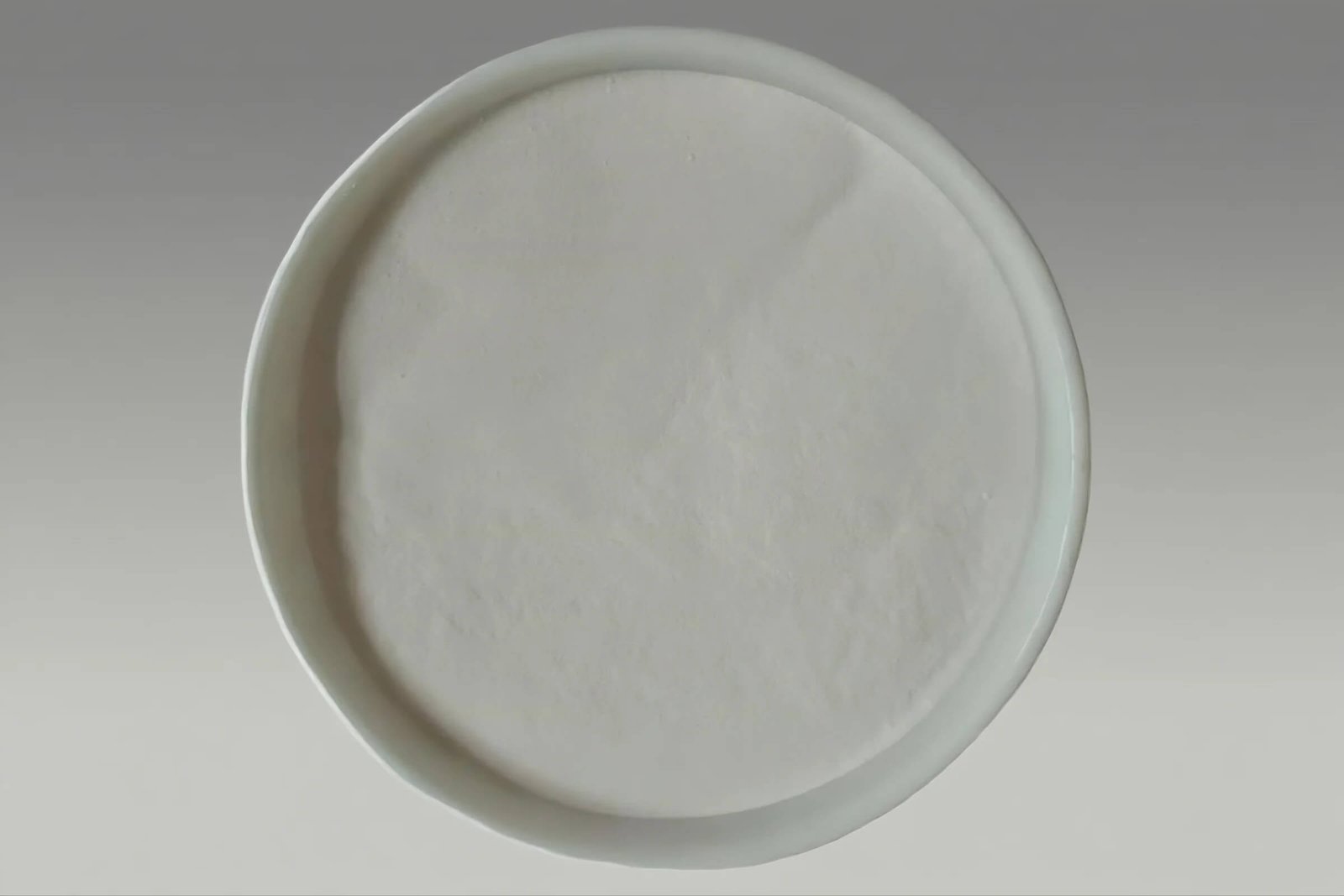
Hydrogen peroxide (H₂O₂) is a clear, colorless liquid widely used as an oxidizing agent, disinfectant, and bleaching compound. Manganese dioxide (MnO₂), a black or brown solid, is a naturally occurring inorganic compound known for its strong catalytic properties. When combined, hydrogen peroxide and manganese dioxide undergo a well-known catalytic decomposition reaction in which oxygen gas is rapidly released.
The hydrogen peroxide with manganese dioxide reaction is commonly utilized across educational, laboratory, and industrial environments. In educational settings, it serves as a vivid demonstration of catalytic activity and gas evolution. In laboratories and industries, this reaction plays an essential role in oxygen generation, chemical synthesis, and wastewater treatment processes. The interaction between these two substances illustrates fundamental chemical principles such as catalysis, decomposition, and redox behavior, making it a valuable topic for both scientific exploration and practical application.

2. What is Manganese Dioxide?
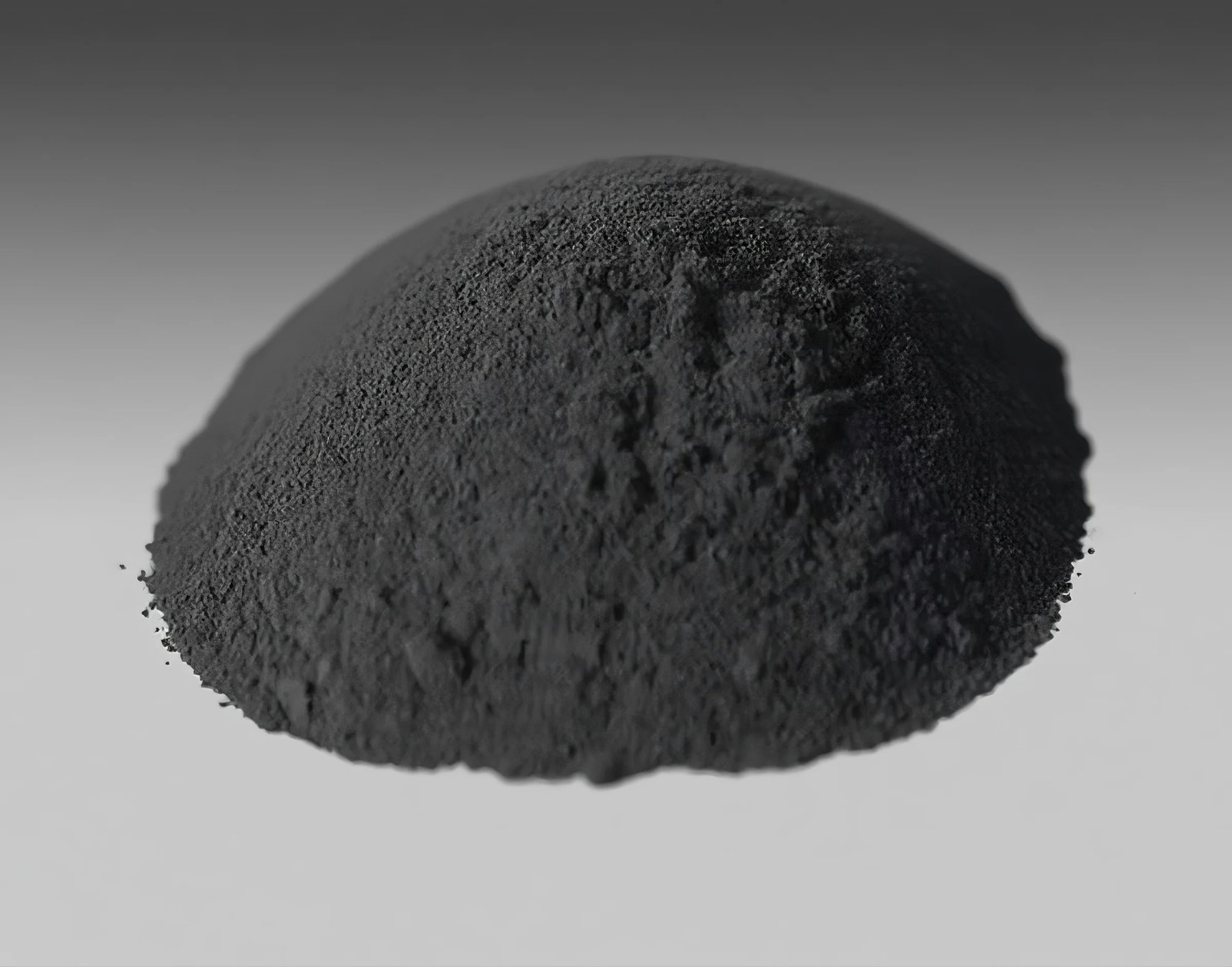
Manganese dioxide (MnO₂) is a black or dark brown powder made from the element manganese and oxygen. It is found in nature as a mineral called pyrolusite. Manganese dioxide is not dangerous, but it should not be breathed in or touched too much without protection. It is often used in batteries, cleaning water, and science experiments. One of its special jobs is to help other chemicals react faster, like when it makes hydrogen peroxide break down and release bubbles of oxygen. This means it works as a catalyst, helping the reaction happen more quickly without being used up.
3. The Reaction Between Hydrogen Peroxide and Manganese Dioxide
When hydrogen peroxide (H₂O₂) meets manganese dioxide (MnO₂), a fun and fast reaction happens. The hydrogen peroxide breaks down into water (H₂O) and oxygen gas (O₂). You can write the reaction like this:
2H₂O₂ → 2H₂O + O₂
Manganese dioxide works as a catalyst by helping this reaction go faster, but it doesn’t get used up. You’ll know the reaction is working because you’ll see bubbles and foam. That’s the oxygen gas being made.
This reaction works better when the hydrogen peroxide is stronger (higher concentration) or slightly warm. But you need to be careful! Always wear gloves and safety glasses. Don’t touch the chemicals with your bare hands, and do the experiment in a place with good airflow. It’s a fun and safe reaction when done the right way.

4. Applications of the H₂O₂ + MnO₂ Reaction
The reaction between hydrogen peroxide (H₂O₂) and manganese dioxide (MnO₂) is not only fun to watch—it’s also very useful in many places. Let’s look at where and how people use this reaction:
1. Educational Demonstrations
In school science labs, teachers use this reaction to show how oxygen gas is made.
When hydrogen peroxide touches manganese dioxide, bubbles and foam appear quickly.
This makes it easy for students to see and understand a chemical reaction.
It also shows how a catalyst works, helping the reaction go faster without changing itself.
2. Industrial Uses
This reaction is helpful in big factories and treatment plants.
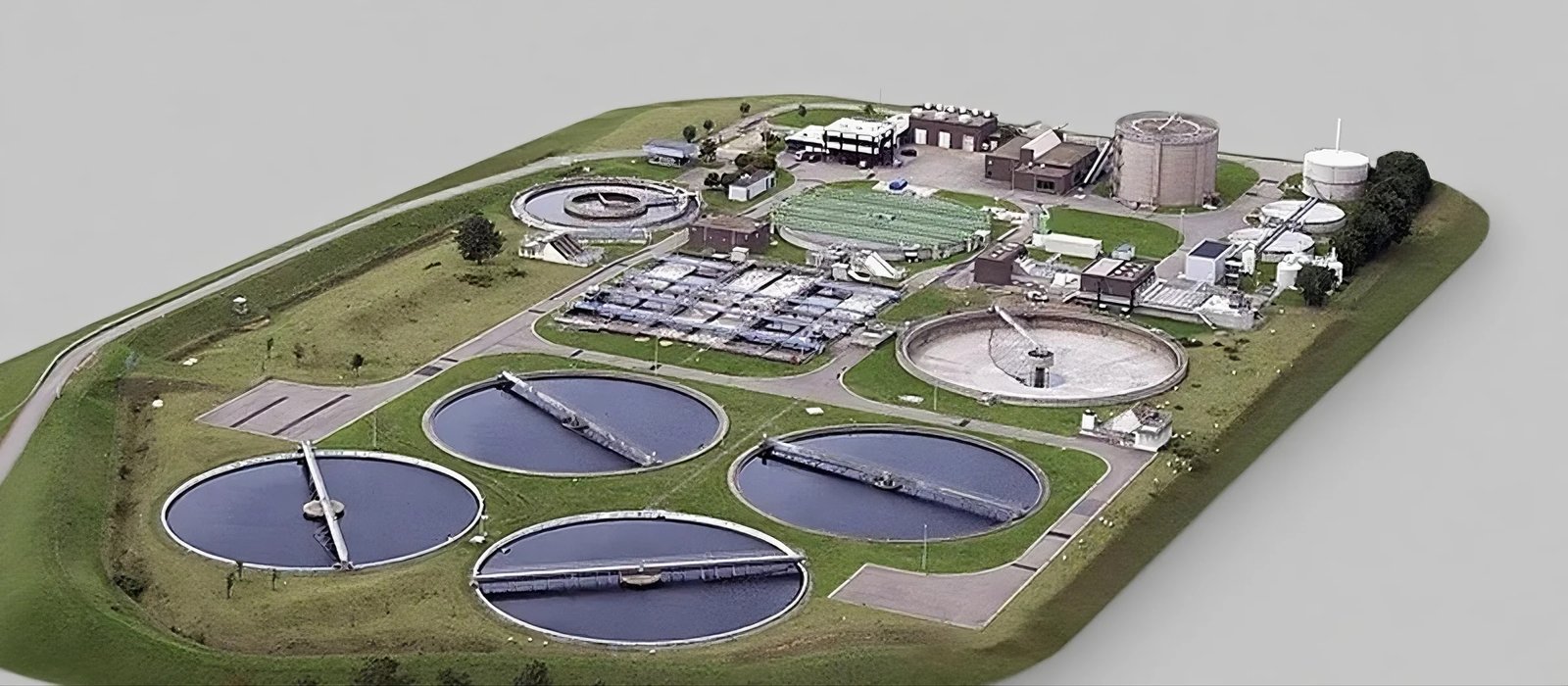
a. Wastewater Treatment
Dirty water from factories or cities has harmful chemicals.
Hydrogen peroxide can help remove these chemicals by oxidizing (breaking them down).
Manganese dioxide helps speed up the cleaning process.
This makes the water safer before it goes back to rivers or lakes.
b. Oxygen Production in Closed Systems
In places where fresh air is limited (like submarines or space stations), this reaction can make oxygen.
When hydrogen peroxide breaks down, it gives off oxygen gas.
This helps people breathe in places where there is no fresh air.
c. Rocket Propellants (Experimental Use)
Some small rockets have used hydrogen peroxide as fuel.
When mixed with manganese dioxide, it reacts quickly and gives off lots of gas and heat.
This creates a strong push to help the rocket move.
It’s mostly used in experiments and not in big rockets today.
3. Disinfection and Sterilization
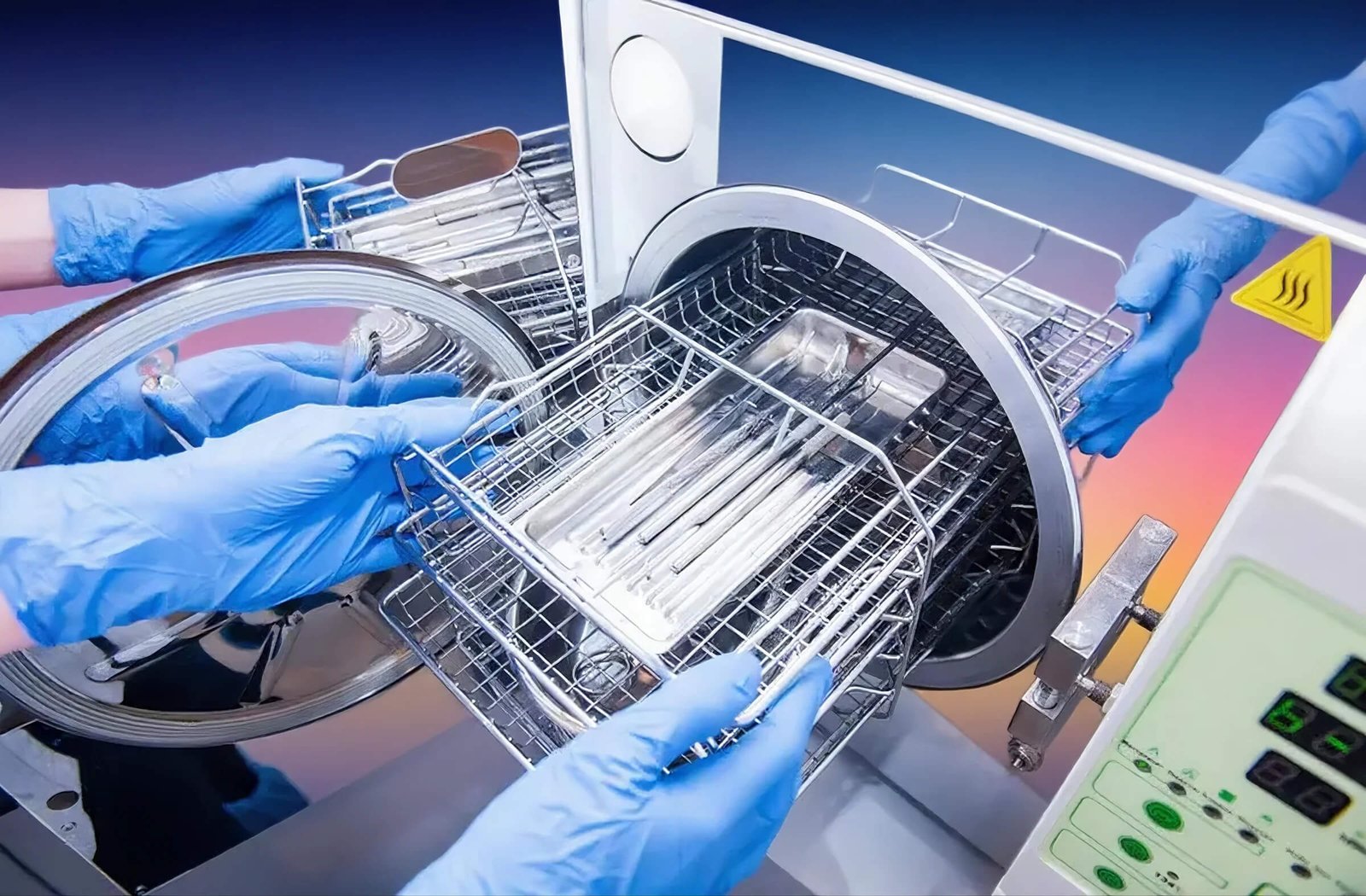
Hydrogen peroxide is used to kill germs on tools and surfaces.
When manganese dioxide is added, the reaction becomes stronger and faster.
This helps clean things better and faster.
Hospitals, labs, and even some homes use this method for deep cleaning.
In summary, the hydrogen peroxide and manganese dioxide reaction is not just cool to watch—it helps clean water, make oxygen, and teach science. It’s a great example of how chemistry helps in real life!
5. Safety and Handling
Hydrogen peroxide (H₂O₂) and manganese dioxide (MnO₂) are useful chemicals but must be handled carefully, especially in professional settings.
Hydrogen peroxide safety:
High concentrations of hydrogen peroxide can cause burns and irritation to the skin, eyes, and respiratory system. Always wear protective gloves, safety goggles, and a lab coat when handling it. Avoid breathing in any vapors. Work in a well-ventilated area or use a fume hood to reduce exposure to fumes.
Storage of manganese dioxide:
Store manganese dioxide in a cool, dry place away from strong acids and reducing agents. Keep containers tightly closed to prevent contamination and moisture exposure. Although MnO₂ is relatively stable, it should be kept out of direct sunlight and stored separately from incompatible chemicals.
Personal Protective Equipment (PPE):
Use chemical-resistant gloves, safety goggles, and protective clothing to prevent skin or eye contact. In case of spills or splashes, have eyewash stations and safety showers readily available.
Ventilation and Disposal:
Ensure good airflow in the workspace to avoid buildup of oxygen gas or vapors. Dispose of hydrogen peroxide solutions and manganese dioxide waste according to local regulations. Neutralize hydrogen peroxide before disposal if required, and avoid releasing it directly into drains.
Proper safety and handling protect workers and maintain a safe environment when working with these reactive substances.
6. Experimental Procedure: Simple Oxygen Generation
Observations and explanations
You can do a fun and safe science experiment to see oxygen gas being made using hydrogen peroxide and manganese dioxide.
Materials Needed
Hydrogen peroxide (3% is safe to use)
Manganese dioxide powder (a small spoonful)
Clear plastic bottle or glass cup
Tray or dish (to catch spills)
Safety gloves and goggles
Steps
Put on your gloves and goggles.
Place the bottle on the tray.
Pour about half a cup of hydrogen peroxide into the bottle.
Add a small spoon of manganese dioxide into the bottle.
Step back and watch!
What You See
Right away, you’ll see bubbles and foam.
This is oxygen gas being made.
The manganese dioxide is helping the hydrogen peroxide break down into water and oxygen.
The powder doesn’t disappear because it is a catalyst—it helps but doesn’t change.
7. Where to Buy Manganese Dioxide for H₂O₂ Reactions
If you need manganese dioxide (MnO₂) for hydrogen peroxide experiments, it’s best to buy from trusted chemical suppliers lor lab supply stores. One good choice is Manganese Supply, a website that offers high-quality MnO₂ for lab and industrial use.
When choosing manganese dioxide, look for these key points:
Purity level: Choose 98% or higher for clean, strong reactions. High purity means better results.
Particle size: Use 200 mesh or smaller. Fine powder works best as a catalyst.
Packaging: Make sure it comes in a sealed, moisture-proof container, like a plastic jar or aluminum bag. This keeps the powder dry and easy to store.
Always follow handling rules and buy only from reliable sellers to make sure the material is safe and effective for your needs.
you can download and check our technical datasheet and msds for catalyst grade manganese dioxide:
Active Manganese Dioxide for Selective Organic Oxidation – Efficient oxidation of alcohols, aldehydes, and fine chemical intermediates.
MnO₂ Catalyst for Formaldehyde Decomposition in Air Purifiers – Catalytic degradation of HCHO at ambient conditions.
Industrial Grade MnO₂ for Chemical Intermediate Synthesis – Oxidant in large-scale organic and inorganic synthesis.
Manganese Dioxide for VOCs Catalytic Combustion – Suitable for oxidation of toluene, xylene, and mixed VOC streams.
Reagent Grade MnO₂ for Laboratory Research Applications – High purity grade for analytical and small-batch synthesis.
Manganese Dioxide Supported Catalyst for CO Oxidation – Applied in low-temperature CO removal systems.
MnO₂ Powder for Oxidizing Allylic and Benzylic Alcohols – Selective conversion with minimized over-oxidation.
High Surface Area Manganese Dioxide for Gas Phase Catalysis – Enhanced catalytic efficiency in fixed-bed reactors.
Manganese Dioxide for Producing Permanganates and Manganese Salts – Raw material for KMnO₄ and Mn salt production.
Chemical Grade MnO₂ for Polysulfide Sealant Curing – Oxidative curing agent in sealant systems.
8. FAQs
Q1: Can I use household hydrogen peroxide?
Yes. Household hydrogen peroxide (3%) is safe for small experiments and works well with manganese dioxide to produce oxygen bubbles.
Q2: Is manganese dioxide consumed in the reaction?
No. Manganese dioxide is a catalyst, which means it helps the reaction happen faster but does not get used up.
Q3: Can this reaction be scaled up?
Yes, but larger reactions need extra care. Stronger hydrogen peroxide and more manganese dioxide can be dangerous. Only trained adults or professionals should do large-scale versions with proper safety tools.
9. Conclusion
The reaction between hydrogen peroxide and manganese dioxide is a simple and useful chemical process. Manganese dioxide acts as a catalyst, helping hydrogen peroxide break down into water and oxygen. This reaction is easy to see through bubbling and foaming, making it great for school science experiments.
It’s also used in real-world jobs like cleaning water, making oxygen, and helping disinfect surfaces. To get good results, always use high-purity manganese dioxide from trusted suppliers like manganesesupply. Safe handling and quality materials make all the difference.
Related Products

manganese dioxide

manganese carbonate

manganese sand
Related posts

I am Edward lee, founder of manganesesupply( btlnewmaterial) , with more than 15 years experience in manganese products R&D and international sales, I helped more than 50+ corporates and am devoted to providing solutions to clients business.