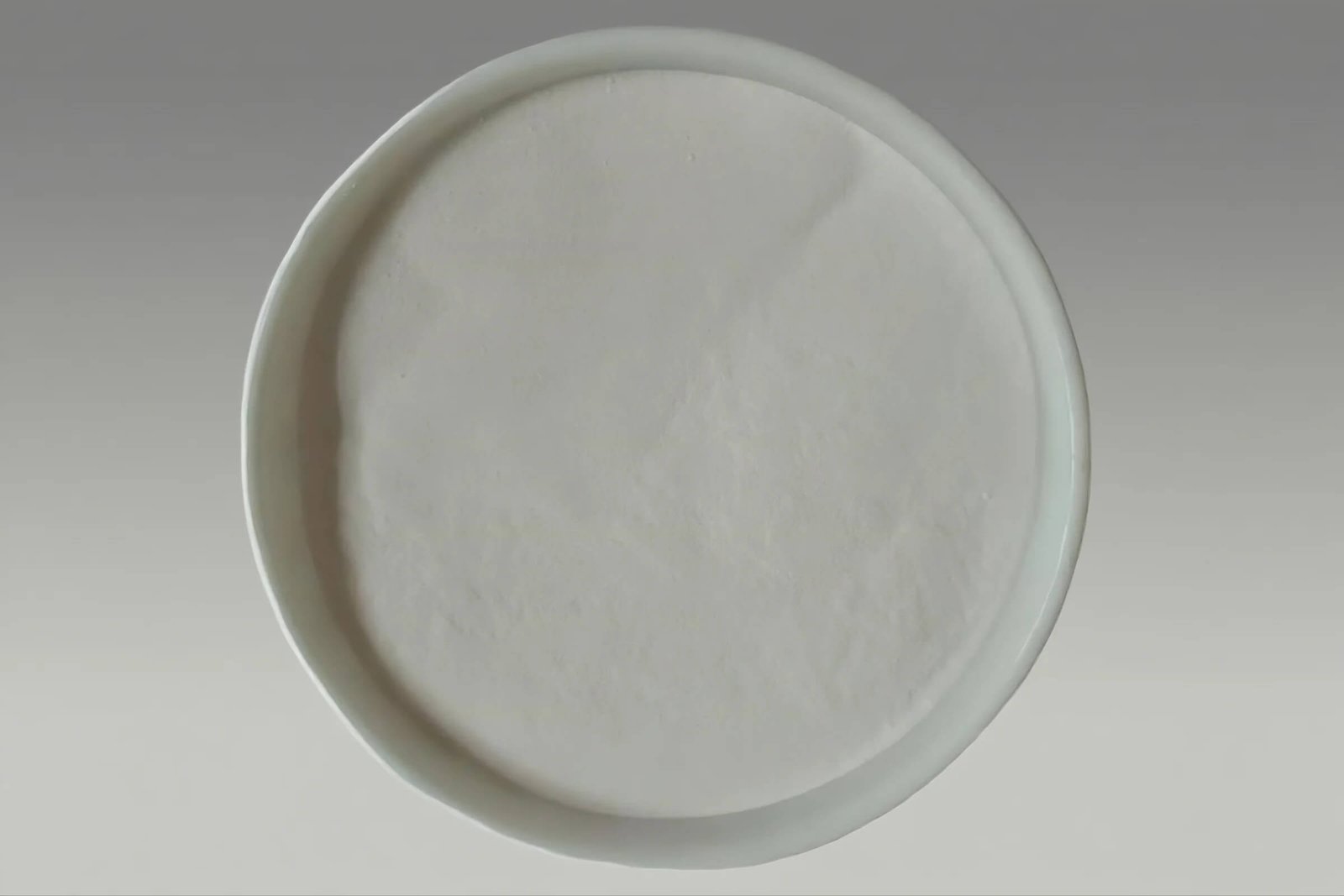
Choosing the right manganese sulfate fertilizer is essential for ensuring healthy crop growth, improving yield, and maximizing nutrient efficiency. Manganese (Mn) plays a crucial role in photosynthesis, enzyme activation, and overall plant metabolism. However, selecting the correct form and application method depends on several factors, including soil type, crop variety, and field management practices.
In this article, we provide a practical guide for industrial and large-scale growers to make informed decisions when using manganese sulfate fertilizers.
Understanding Your Soil Type
Different soils have varying capacities to retain and supply manganese to plants. Understanding your soil type is the first step in choosing the appropriate manganese sulfate fertilizer.
- Acidic Soils (pH < 6.0): Manganese is more soluble in acidic soils, so lower application rates are often sufficient. Both granular and powder forms can be effective.
- Neutral to Alkaline Soils (pH 6–8): Manganese becomes less available due to precipitation as manganese oxides. Foliar applications using powder manganese sulfate may be recommended for faster absorption.
- Sandy Soils: These soils drain quickly, which may lead to nutrient leaching. Slow-release granular manganese sulfate helps provide a steady supply to crops.
- Clay Soils: High nutrient retention allows standard granular applications. However, ensure proper mixing with other fertilizers to avoid localized Mn toxicity.
A soil test is highly recommended before deciding on the type and amount of manganese fertilizer.
Matching Fertilizer Type to Crop
Different crops have specific manganese requirements and sensitivities. Choosing the right form of manganese sulfate depends on the crop type and growth stage.
- Cereals (Wheat, Corn, Barley): Granular manganese sulfate works well for soil application during early growth stages. Foliar sprays can be used if deficiency symptoms appear later.
- Vegetables (Tomatoes, Peppers, Spinach): Powdered manganese sulfate is preferred for foliar sprays due to quick absorption and ease of application.
- Fruit Trees (Apple, Citrus, Mango): Foliar applications of powder manganese sulfate are effective during leaf development. Soil application of granules ensures sustained supply for deep-rooted trees.
- Specialty Crops (Hydroponics, Greenhouse Crops): Soluble powder manganese sulfate is ideal for nutrient solutions, ensuring precise dosing and uniform distribution.
Consider crop sensitivity, growth stage, and intended yield when selecting the application method.
Application Recommendations
Effective manganese fertilizer application maximizes plant uptake and minimizes losses.
Soil Application
- Apply granular manganese sulfate during soil preparation or at early growth stages.
- Mix evenly with other fertilizers like NPK for balanced nutrition.
- Avoid over-application, especially in high-pH soils, to prevent Mn toxicity.
Foliar Application
- Use powder manganese sulfate for rapid correction of deficiencies.
- Dissolve thoroughly in water (recommended 0.5–1% solution) and spray during cooler hours to reduce leaf burn.
- Repeat applications every 10–15 days if deficiency persists.
Hydroponic Systems
- Powdered manganese sulfate is highly soluble and suitable for precise dosing.
- Maintain pH around 5.5–6.5 to ensure Mn availability.
Key Takeaways
- Conduct a soil test before applying manganese sulfate.
- Granular MnSO₄ is suitable for soil application; powder MnSO₄ is ideal for foliar use.
- Adjust the application method based on crop type, soil pH, and growth stage.
- Avoid overuse to prevent toxicity and nutrient imbalance.
By carefully selecting the right manganese sulfate form and following proper application practices, growers can enhance crop growth, improve nutrient efficiency, and achieve higher yields.
FAQ
Q1: Can I use granular manganese sulfate for foliar spraying?
A: Yes, but it must be fully dissolved. Powder forms are easier and more efficient for foliar applications.
Q2: How often should manganese sulfate be applied?
A: For soil applications, once per season is usually sufficient. Foliar sprays can be repeated every 10–15 days if deficiencies appear.
Q3: How do I prevent manganese deficiency in alkaline soils?
A: Foliar application of powder manganese sulfate is effective. Soil acidification techniques or chelated Mn fertilizers can also help.
Q4: Is manganese sulfate safe to store and handle?
A: Store in a cool, dry place. Use PPE when handling powders to avoid dust inhalation. Granules are easier to store and handle.

I am Edward lee, founder of manganesesupply( btlnewmaterial) , with more than 15 years experience in manganese products R&D and international sales, I helped more than 50+ corporates and am devoted to providing solutions to clients business.