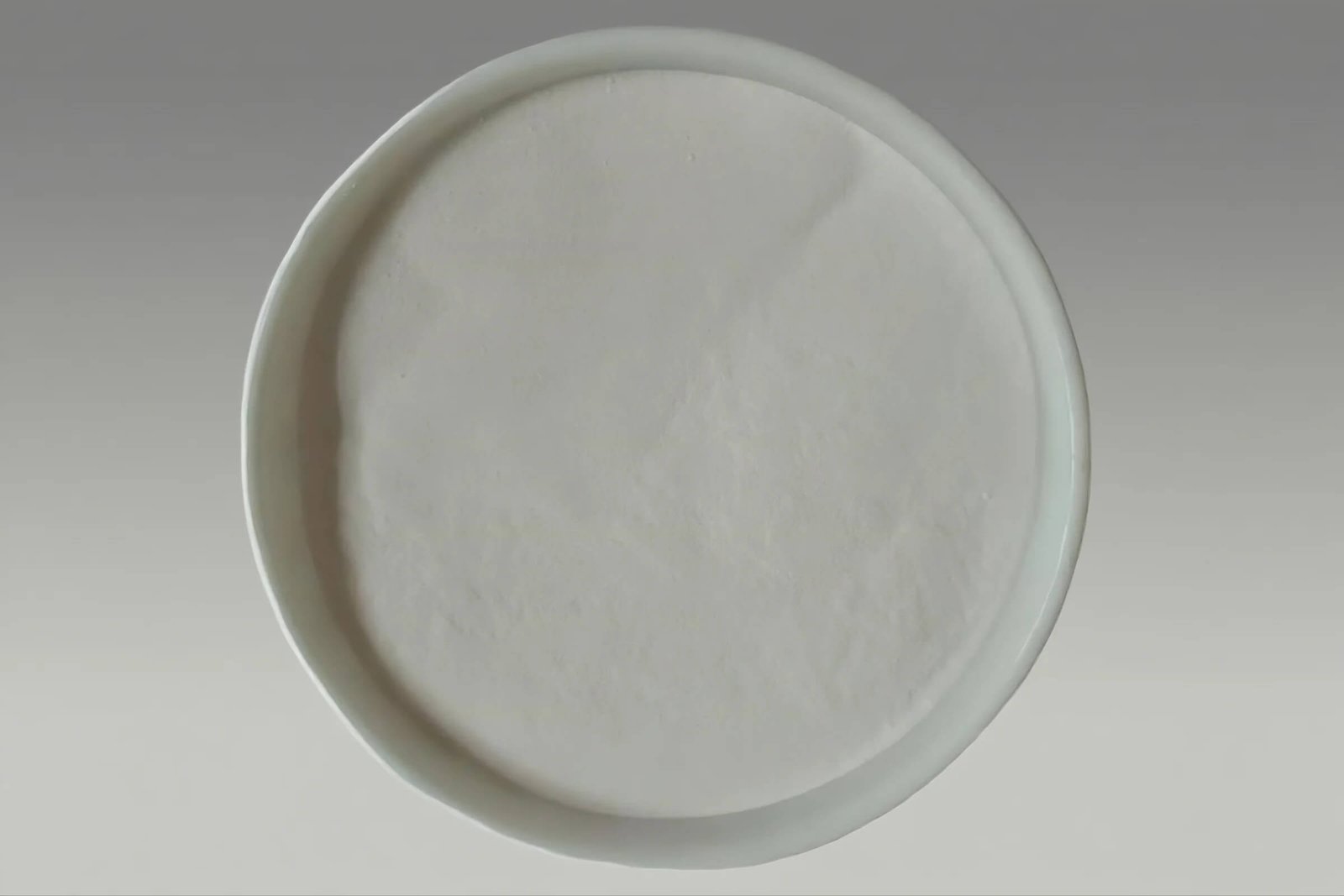
Activated manganese dioxide (MnO₂) is widely used as a solid-phase scavenger to remove trace impurities in chemical synthesis, battery precursor preparation, and fine chemical purification. Its effectiveness is driven by a combination of high surface area (typically 30–120 m²/g), controlled redox activity, and strong affinity for sulfur-, nitrogen-, and metal-containing contaminants. In industrial practice, activated MnO₂ can reduce residual sulfur species to <10 ppm, eliminate aldehydes and hydrazines at >95% conversion, and significantly lower metal ion contamination when properly specified. Compared with non-activated MnO₂ grades, activated material offers faster kinetics, lower dosage requirements, and more predictable batch-to-batch performance, making it a preferred impurity control tool in regulated and yield-sensitive processes.
Technical Background
What Is Activated MnO₂?
Activated MnO₂ refers to manganese dioxide that has undergone chemical, thermal, or electrochemical activation to increase:
Specific surface area
Defect density (oxygen vacancies)
Redox accessibility of Mn⁴⁺/Mn³⁺ couples
Unlike standard battery-grade or metallurgical MnO₂, activated MnO₂ is engineered for surface reactions, not bulk electrochemical performance.
Typical activation routes include:
Chemical oxidation of MnCO₃ or MnSO₄ precursors
Acid treatment followed by controlled calcination
Electrolytic or chemical manganese dioxide (EMD / CMD) post-activation
Why MnO₂ Functions as a Scavenger
Activated MnO₂ removes impurities through three primary mechanisms:
Oxidation of reactive organic or inorganic species
Surface adsorption via hydroxylated Mn–O sites
Redox precipitation of soluble impurities into insoluble forms
These mechanisms often occur simultaneously, depending on impurity chemistry and process conditions.
Key Benefits of Activated MnO₂ as a Scavenger
High Surface Area → Faster Scavenging Kinetics
Activated MnO₂ typically exhibits:
BET surface area: 30–120 m²/g
Pore volume: 0.2–0.6 cm³/g
Higher surface area increases the number of accessible redox and adsorption sites, enabling:
Faster impurity removal (minutes to hours, not days)
Lower MnO₂ loading (0.5–5 wt% vs. 5–10 wt% for non-activated grades)
This is particularly critical in batch organic synthesis and continuous flow systems.
Redox Activity → Oxidative Impurity Destruction
Activated MnO₂ is an effective oxidant for:
Aldehydes → carboxylic acids
Hydrazines → nitrogen-containing byproducts
Sulfides → sulfones or insoluble sulfates
Typical oxidation capacity:
0.15–0.30 g active oxygen per g MnO₂ (grade-dependent)
This property allows MnO₂ to act not only as a filter medium, but as a reactive purification agent.
Controlled Particle Size → Process Compatibility
Common scavenger-grade MnO₂ particle sizes:
D50: 5–25 µm
Fine grades: <10 µm for slurry systems
Coarse grades: 20–50 µm for fixed-bed or filtration processes
Proper particle size selection balances:
Contact efficiency
Filtration speed
Pressure drop in packed columns
Impurity Binding → Trace Metal and Sulfur Control
Activated MnO₂ shows strong affinity for:
Sulfur species (H₂S, thiols, sulfides)
Nitrogen compounds (amines, hydrazines)
Dissolved transition metals (Fe²⁺, Cu²⁺)
In chemical and battery precursor purification, MnO₂ scavenging can reduce:
Sulfur: from 100–500 ppm → <10 ppm
Iron: from 50–100 ppm → <5 ppm
Typical Specification Table
| Parameter | Typical Scavenger-Grade Range | Why It Matters |
|---|---|---|
| MnO₂ purity (%) | 88–95 | Determines oxidation capacity |
| BET surface area (m²/g) | 30–120 | Controls reaction rate |
| Particle size D50 (µm) | 5–25 | Affects contact and filtration |
| Fe (ppm) | <500 | Prevents secondary contamination |
| Heavy metals (Pb, As, Cd) (ppm) | <10 each | Compliance and safety |
| Moisture (%) | <5.0 | Storage stability |
| LOI at 500–600 °C (%) | 8–12 | Indicates activation level |
Impact on Process Performance and KPIs
Chemical Synthesis Yield
In oxidation-sensitive reactions, impurity scavenging with activated MnO₂ can:
Improve isolated yield by 2–8%
Reduce byproduct formation caused by sulfur or amine poisons
This is especially relevant in pharmaceutical and fine chemical intermediates.
Downstream Catalyst Protection
Residual sulfur or nitrogen impurities can deactivate:
Pd, Pt, Ni hydrogenation catalysts
Acidic or metal oxide catalysts
Using MnO₂ as a pre-treatment scavenger extends catalyst life by 20–40% in some processes.
Battery Precursor Purification
For manganese-based cathode precursors:
Lower impurity levels improve calcination stability
Reduced Fe and Cu lowers electrical leakage risk
This translates into better cycle life consistency and lower defect rates.
Manufacturing Yield and Consistency
Batch-to-batch impurity variation is a common hidden yield loss. Activated MnO₂ provides:
A controllable impurity buffer
Reduced need for reprocessing or additional purification steps
Quality Control & Testing Methods
Certificate of Analysis (COA) Items
Key COA parameters for scavenger-grade MnO₂:
MnO₂ assay
Surface area (BET)
Particle size distribution
Fe and heavy metal content
Moisture and LOI
Acceptance limits should align with process sensitivity, not generic standards.
Analytical Techniques
ICP-OES / ICP-MS: trace metals and impurity uptake
BET analysis (ISO 9277): surface area verification
Laser diffraction (ISO 13320): particle size
LOI testing: activation consistency
Sampling must follow representative bulk sampling principles, especially for fine powders.
Purchasing & Supplier Evaluation Considerations
Grade Differentiation
| Grade Type | Suitability for Scavenging |
|---|---|
| Metallurgical MnO₂ | ❌ Too low activity |
| Battery-grade MnO₂ | ⚠ Limited scavenging |
| Activated / Chemical MnO₂ | ✅ Recommended |
Packaging and Storage
Multi-layer kraft bags with PE liner
Moisture-controlled storage (<60% RH)
Avoid contact with reducing agents
Improper storage reduces surface reactivity over time.
Common Sourcing Risks
Overstated surface area without BET reports
Inconsistent activation between batches
Excess Fe or alkali metals from low-grade ores
Supplier audits should include process understanding, not just COA review.
Frequently Asked Questions
What purity of MnO₂ is required for scavenging applications?
Typically 88–95%, depending on oxidation demand and impurity load.
Is higher surface area always better?
Not necessarily. Extremely high surface area can cause filtration issues.
Can MnO₂ be regenerated after use?
In most cases, no. Spent MnO₂ is disposed of as solid waste.
Does MnO₂ introduce manganese contamination?
Properly washed and filtered systems show minimal Mn leaching (<5 ppm).
Is activated MnO₂ suitable for continuous processes?
Yes, with controlled particle size and column design.
Final Practical Checklist for Buyers and QA Teams
Define target impurity removal (ppm → ppm)
Specify surface area and particle size, not just purity
Request BET and ICP data for every batch
Match MnO₂ grade to process configuration (slurry vs. fixed bed)
Audit activation consistency over time
Related Products

manganese dioxide

manganese carbonate

manganese sand

I am Edward lee, founder of manganesesupply( btlnewmaterial) , with more than 15 years experience in manganese products R&D and international sales, I helped more than 50+ corporates and am devoted to providing solutions to clients business.