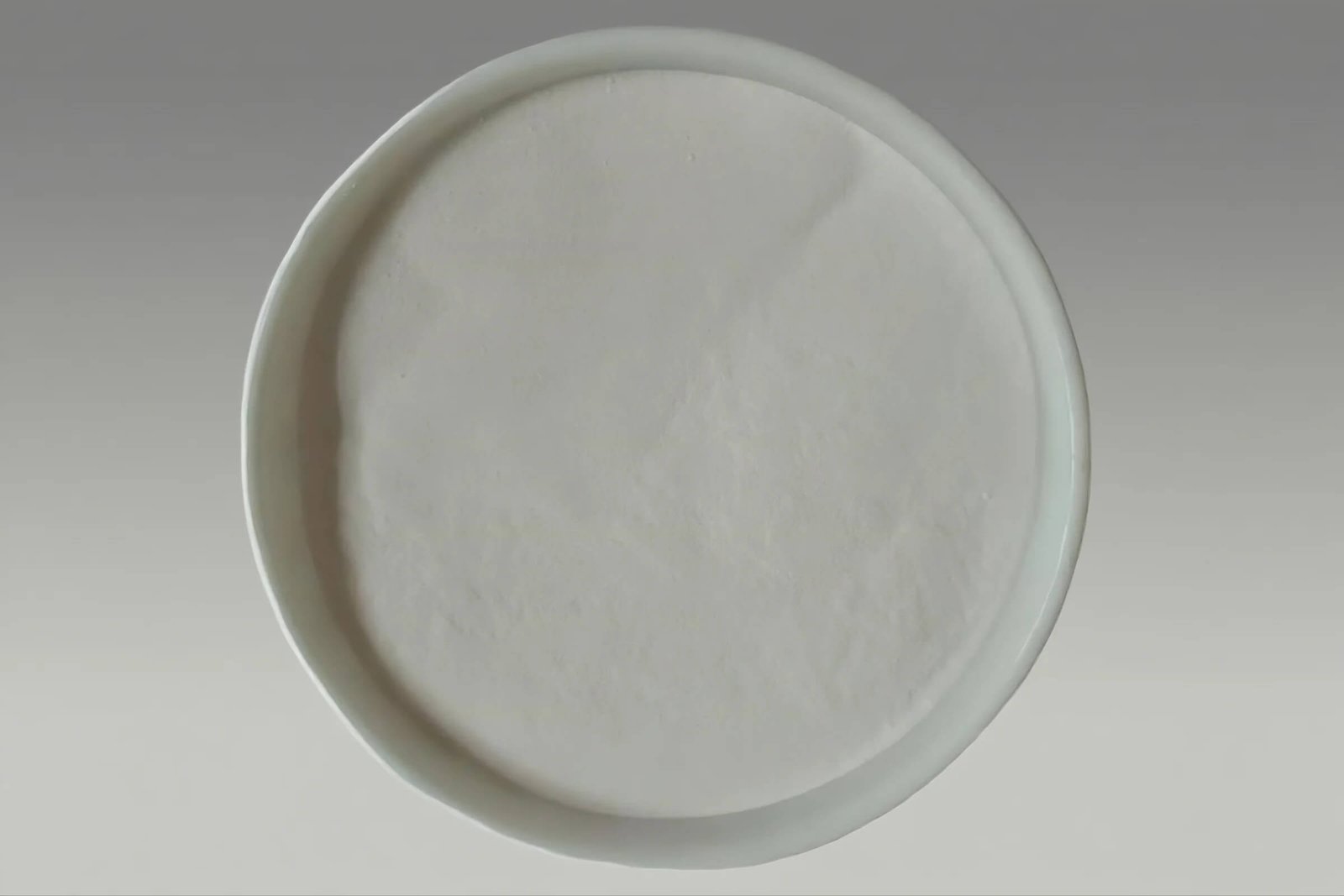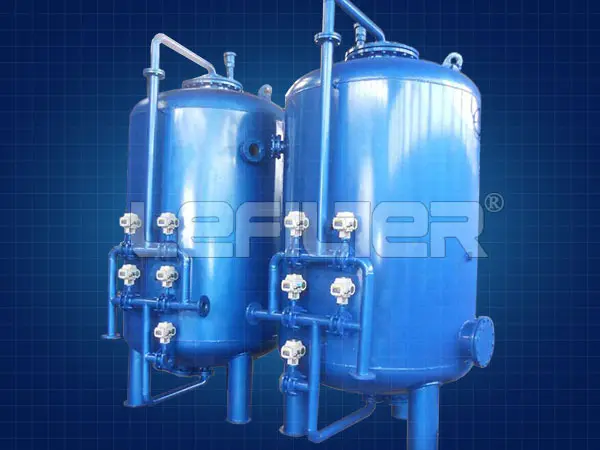
Green sand filters are widely used to remove manganese, iron, and hydrogen sulfide from water. These filters work by oxidizing dissolved contaminants and trapping them in a specially designed media bed. To build an efficient system, you need to focus on water quality, filtration speed, structural design, and maintenance. Below, we break down the key design and operational factors for green sand filters.
1.1 Water Quality Requirements
Green sand filters work best under specific water conditions:
Iron content: ≤10 mg/L (ideal: ≤5 mg/L).
Manganese content: ≤3 mg/L.
pH level: ≥6.5 (best range: 6.8–8.5). Add alkaline agents like NaOH if pH is too low.
Dissolved oxygen: ≥5 mg/L. If oxygen levels are low, use aeration systems (e.g., splash aerators or air pumps).
1.2 Filtration Speed & Media Layer
Filtration rate: 8–12 m/h for standard systems. For high-load scenarios, increase to 15 m/h.
Media thickness: 800–1,200 mm (includes support layers).
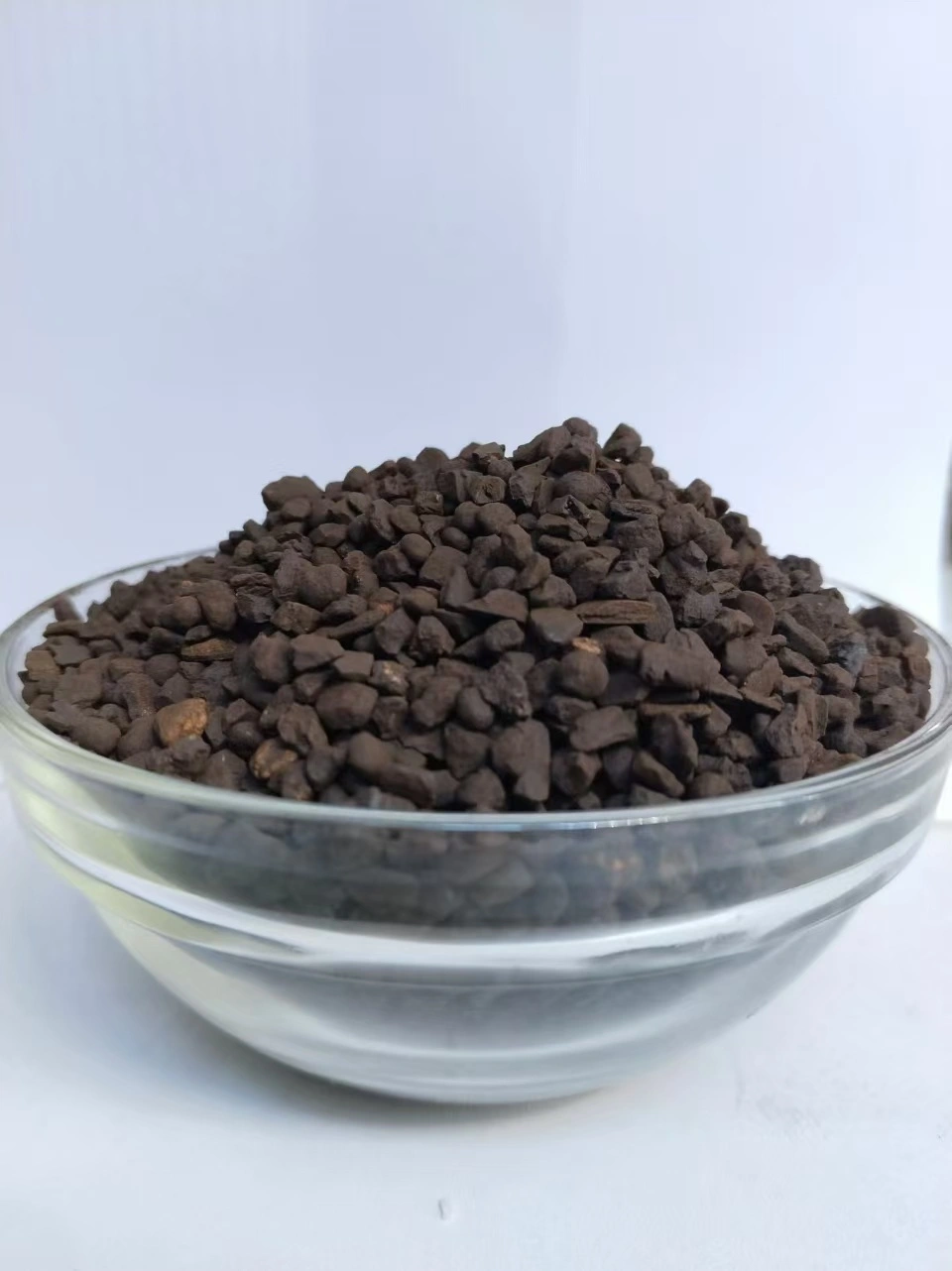
Media size: 0.6–2.0 mm (0.6–1.2 mm is common). Use uniform grains (uniformity coefficient ≤1.8).
Support layer: 200–400 mm of gravel or magnetite (size: 2–32 mm).
1.3 Backwashing Settings
Backwash intensity: 12–15 L/(s·m²).
Backwash duration: 10–15 minutes.
Backwash frequency: Every 24–72 hours (adjust based on water quality).
Media expansion: 25–30% during backwashing ensures thorough cleaning.
2. Structural Design Tips
2.1 Tank Materials
Choose materials based on budget and water chemistry:
Carbon steel: Cost-effective but requires anti-corrosion coating.
Stainless steel: Durable (grades 304 or 316L for harsh environments).
Fiberglass (FRP): Lightweight and rust-proof.
Pressure rating: 0.6–1.0 MPa (match to your system’s needs).
2.2 Water Distribution & Collection
A uniform flow prevents clogging and improves efficiency:
Distribution systems: Use perforated plates with nozzles or dome-shaped plates with quartz sand layers.
Collection systems: Mirror the distribution design.
Flow consistency: Keep water distribution deviation ≤5%.
2.3 Additional Equipment
Aeration systems: Add oxygen via splash trays or air blowers.
Chemical dosing: Use NaOH or lime for pH adjustment. Add potassium permanganate (KMnO₄) for tough manganese removal.
Automation: Install pressure sensors and programmable controllers (PLC or microcontrollers) for backwash timing.
3. Operation & Optimization
3.1 Contact Time
Ensure ≥5 minutes of contact between water and media. Adjust media thickness or filtration speed if needed.
3.2 Filter Media Activation
New green sand takes 7–15 days to form an active catalytic layer (MnO₂ coating). During this period, run the filter continuously.
3.3 Backwash Water Quality
Always use clean, filtered water for backwashing to avoid recontamination.
4. Applications of Green Sand Filters
These systems are ideal for:
Water sources: Groundwater, wells, hot springs, industrial water.
Industries: Rural water supply plants, power plants, chemical factories, drinking water facilities.
5. Maintenance & Safety Tips
5.1 Pre-Treatment
If suspended solids (SS) exceed 10 mg/L, add a multi-media filter before the green sand filter.
5.2 Media Care
Check for clumping yearly.
Restore old media by soaking it in 2–3% potassium permanganate solution.
5.3 Design Safety
Add 20% extra capacity to handle flow spikes.
Use multiple parallel filters for large-scale or critical systems.
Final Thoughts
Green sand filters are reliable for manganese and iron removal, but their success depends on proper design. Always test water quality first, choose durable materials, and follow maintenance schedules. With these tips, you can build a system that delivers clean, safe water for years.
Need help designing your filter? Consult a water treatment expert to customize these parameters for your project!

I am Edward lee, founder of manganesesupply( btlnewmaterial) , with more than 15 years experience in manganese products R&D and international sales, I helped more than 50+ corporates and am devoted to providing solutions to clients business.