Introduction
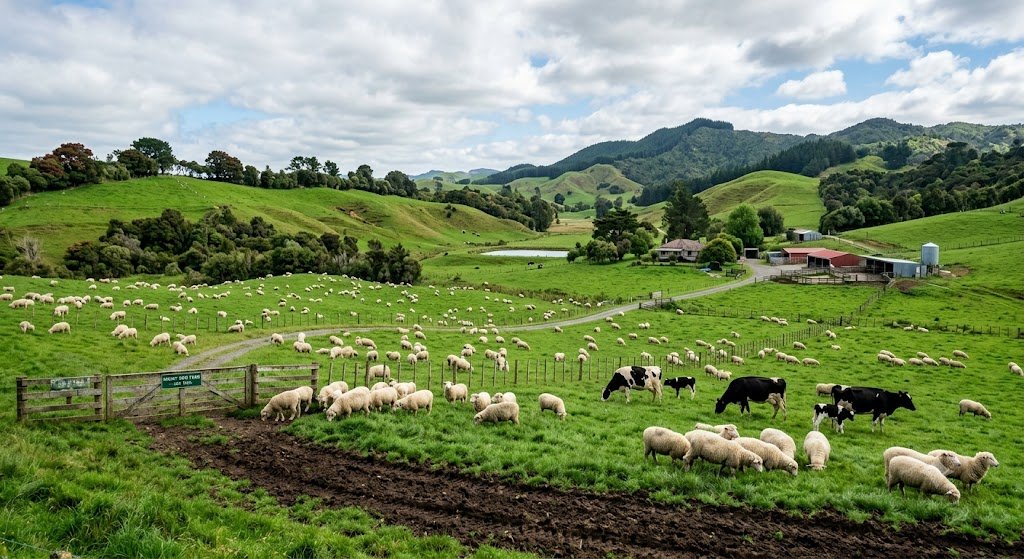
New Zealand’s dairy and livestock industries are recognized globally for their high productivity, pasture-based grazing systems, and premium agricultural exports. Maintaining high-yielding, nutrient-dense pastures—primarily composed of perennial ryegrass and white clover—requires precise soil fertility management.
While macro-nutrients like Nitrogen (N), Phosphorus (P), and Potassium (K) receive significant attention, trace minerals play an equally critical role in plant physiology and livestock performance. Among these essential micro-nutrients, Manganese (Mn) is a vital catalyst for plant photosynthesis, nitrogen metabolism, and animal metabolic health.
However, manganese deficiency is a widespread soil management challenge across many agricultural regions in New Zealand. Soil conditions, intensive liming practices, and natural geological weathering often reduce the bio-availability of native soil manganese.
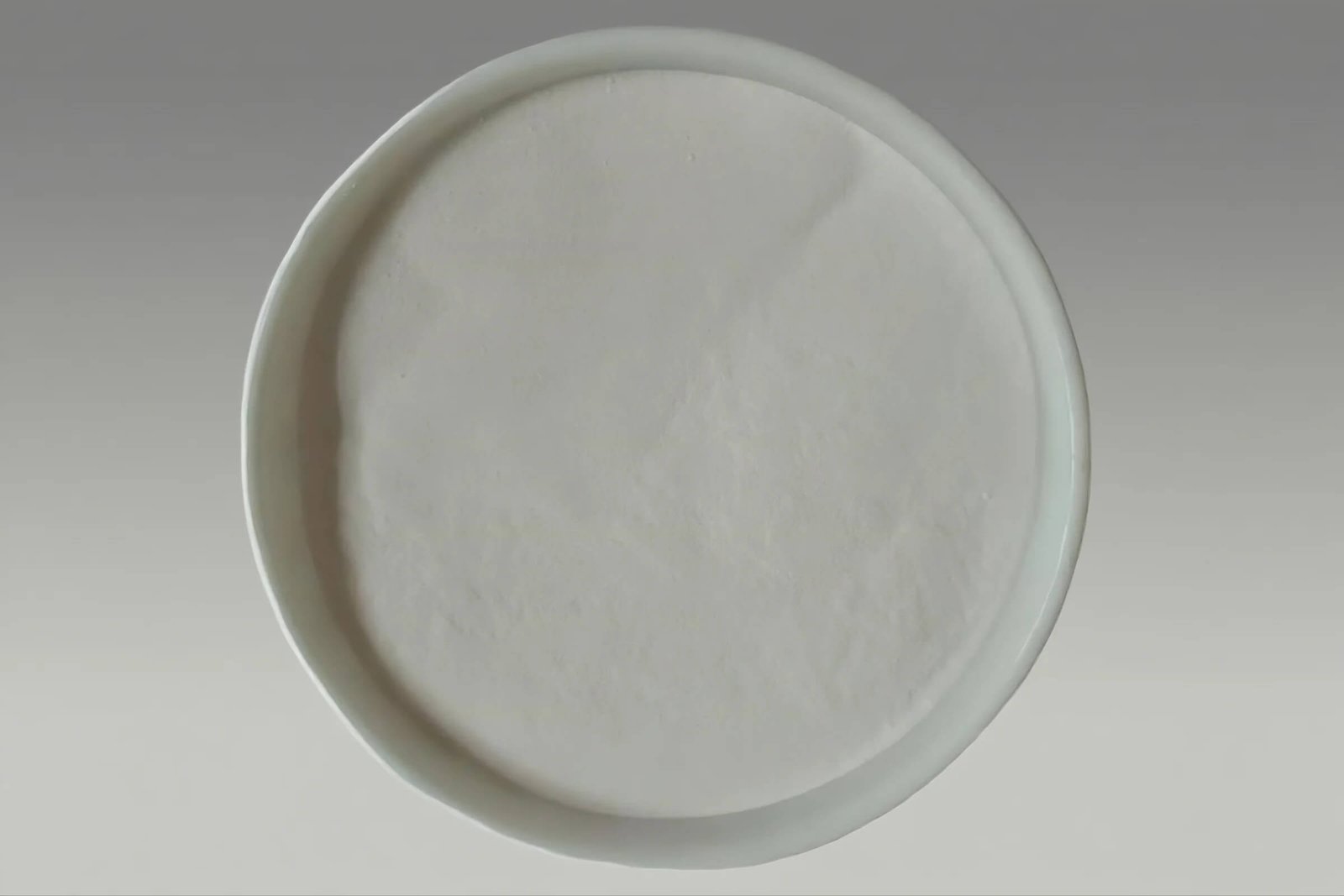
To correct this imbalance, agricultural nutrient blenders, fertilizer manufacturers, and large-scale farm managers increasingly rely on Fertilizer-Grade Manganese Carbonate (MnCO₃, CAS No. 598-62-9)
This article examines the underlying agronomic reasons for manganese deficiency in New Zealand soils, explores the physiological impact on pasture crops and cattle, and highlights why high-purity inorganic Manganese Carbonate is the ideal slow-release trace element source for agricultural soil remediation
You check our customer case about how we shipped 25 mt manganese carbonate to a New Zeanland customer.
1. Understanding Manganese Deficiency in New Zealand Soils
Manganese is present in most soils in varying total concentrations; however, total manganese content does not necessarily indicate its availability to plants. Plants primarily absorb manganese in the soluble divalent form (Mn²⁺). In New Zealand pasture soils, factors such as high rainfall, soil pH, drainage conditions, and oxidation processes can transform available Mn²⁺ into poorly soluble manganese oxides, including Mn(III) and Mn(IV) oxides such as MnO₂. This reduces manganese availability and may result in severe or hidden manganese deficiency in plants and livestock.
A. The Impact of Soil pH and Liming Practices
Agricultural soils in New Zealand are naturally acidic. To optimize pasture growth and neutralize soil acidity, farm managers regularly apply agricultural lime (calcium carbonate). While liming improves soil structure and reduces toxic aluminum levels, it significantly raises soil pH.
As soil pH rises above 6.0–6.5, chemical oxidation accelerates, rapidly converting bioavailable Mn²⁺ to insoluble manganese dioxide (MnO₂). Each unit increase in soil pH reduces bioavailable manganese solubility by a factor of 100. Consequently, heavily limed dairy pastures frequently exhibit severe manganese lock-up, even when total soil manganese levels are adequate.
B. High Soil Organic Matter and Biological Oxidation
New Zealand’s permanent pasture systems accumulate high levels of organic matter. Soil organic matter binds manganese into stable, insoluble organo-mineral complexes. Additionally, specific aerobic soil microorganisms thrive in high-pH, well-aerated pasture soils, oxidizing available manganese into forms that plant roots cannot absorb.
C. Soil Textures and Weathering
Light-textured sandy soils, volcanic ash soils (Allophanic soils), and highly weathered podzols—common across parts of the North and South Islands—are naturally low in total parent manganese minerals. Heavy rainfall and intensive irrigation further leach soluble trace elements out of the root zone, exacerbating micronutrient depletion over successive grazing seasons.
2. The Agronomic Role of Manganese in Pasture Growth
Manganese acts as a fundamental catalytic worker within plant cells. A shortage of manganese restricts several key metabolic pathways, directly lowering pasture dry matter (DM) yield and crop quality.
Manganese Supply (Mn2+)
   │
   ├──> Photolysis of Water (Water-Splitting in Photosynthesis) ──> Higher Biomass Yield
   ├──> Nitrate Reduction & Protein Synthesis                   ──> High Crude Protein in Grass
   ├──> Lignin & Phytochemical Synthesis                        ──> Disease Resistance & Stalk Rigidity
   └──> Root Architecture Development                           ──> Drought & Cold Tolerance
A. Water Photolysis and Photosynthesis
Manganese is an indispensable component of the Oxygen-Evolving Complex (OEC) in Photosystem II. During photosynthesis, manganese atoms drive the photolysis reaction—splitting water molecules into oxygen, protons, and electrons. Without sufficient manganese, chlorophyll synthesis drops, leading to interveinal chlorosis (yellowing between leaf veins) in young pasture leaves, reduced photosynthetic efficiency, and stunted pasture regrowth.
B. Nitrogen Assimilation and Protein Synthesis
Nitrogen is the primary driver of pasture biomass. However, plants require manganese to activate the enzyme nitrate reductase. This enzyme converts absorbed soil nitrates into ammonium, which is then synthesized into amino acids and crude protein. When manganese is deficient, nitrates accumulate in plant tissues without being converted into protein, reducing the nutritional value of pasture grass for grazing dairy cows.
C. Disease Resistance and Structural Integrity
Manganese activates enzymes responsible for synthesizing lignin and suberin—complex structural polymers that strengthen plant cell walls. High lignin levels act as a physical barrier against fungal pathogens (such as crown rust and root rot) and improve the physical rigidity of forage plants, allowing pastures to withstand heavy cattle treading and environmental stress.
3. The Downstream Impact on Dairy Cattle and Livestock Health
Pasture grass is the primary feed source for New Zealand’s dairy herds. When pasture grass suffers from sub-clinical manganese deficiency, grazing livestock do not receive adequate daily manganese intake. Manganese serves as an essential co-factor for enzymes involved in bone formation, carbohydrate metabolism, and reproductive hormone synthesis in ruminants.
Reproductive Performance: Manganese deficiency in dairy cows is directly linked to silent heat cycles, delayed ovulation, lower conception rates, and increased abortion risks. Maintaining adequate pasture manganese levels ensures optimal herd fertility during breeding seasons.
Skeletal Development: Manganese activates glycosyltransferase, an enzyme required for chondroitin sulfate synthesis in cartilage and bone matrices. Deficient calves may be born with joint deformities, weak legs, or enlarged hocks.
Enzyme Protection: Manganese is a core constituent of Manganese Superoxide Dismutase (Mn-SOD), the primary antioxidant enzyme protecting cellular mitochondria from oxidative stress during peak lactation.
4. Why Choose Manganese Carbonate (MnCO3) for Agricultural Soil Application?
When addressing manganese deficiency in agricultural soils, fertilizer blenders and agricultural chemical distributors can choose between soluble salts (like Manganese Sulfate, MnSO4) and insoluble carbonates (like Manganese Carbonate, MnCO3)
┌──────────────────────────────┬────────────────────────────────────────────────────────┐
│ Feature                      │ Agronomic Benefit of Manganese Carbonate (MnCO3)       │
├──────────────────────────────┼────────────────────────────────────────────────────────┤
│ High Manganese Density (~44%)│ Lowers freight cost per unit of active Mn element.     │
│ Sustained-Release Pattern   │ Resists soil leaching; provides season-long feeding.   │
│ Low Water Solubility         │ Prevents sudden plant toxicity & soil salt burn.       │
│ Ideal pH Reactivity          │ Slowly dissolves in weak acidic rhizosphere exudates.  │
└──────────────────────────────┴────────────────────────────────────────────────────────┘
A. High Elemental Density and Freight Efficiency
Pure Manganese Carbonate (MnCO3) contains a high theoretical elemental manganese concentration (up to 47.7%). Commercial high-purity fertilizer-grade manganese carbonate typically delivers 43.0% to 44.5% elemental Manganese (Mn)
In contrast, manganese sulfate monohydrate contains only around 31% elemental Mn. The higher metal density of manganese carbonate allows agricultural blenders to achieve target nutrient ratios using less bulk volume, drastically reducing international sea freight and inland transport costs per unit of active nutrient
B. Sustained-Release and Reduced Leaching Losses
Soluble manganese fertilizers dissolve immediately upon contact with soil moisture. In high-rainfall pasture zones, a large portion of soluble manganese leaches below the root zone before plant roots can absorb it, or it quickly oxidizes into unavailable manganese oxides.
Manganese Carbonate (MnCO3) is water-insoluble but reacts gradually with weak organic acids excreted by plant roots (rhizosphere exudates) and soil carbonic acid. This controlled, sustained-release mechanism ensures a steady supply of Mn²⁺ ions throughout the growing season, preventing nutrient spike-and-crash cycles.
C. Chemical Safety and Heavy Metal Purity Requirements
Agricultural fertilizers applied to grazing pastures must meet strict environmental purity standards to prevent heavy metal accumulation in milk, meat, and topsoil.
High-grade chemical synthesis ensures that Manganese Carbonate delivers extremely low heavy metal impurities
Arsenic (As): ≤ 6 ppm
Lead (Pb): ≤ 5 ppm
Cadmium (Cd): ≤ 4 pp
These ultra-low heavy metal levels comply fully with New Zealand regional council soil protection guidelines and international agricultural standards
5. Best Practices for Applying Manganese Carbonate in Pasture Management
To maximize the bioavailability and return on investment (ROI) of Manganese Carbonate applications, fertilizer manufacturers and agricultural managers should consider the following application techniques:
A. Granular Blending and Compound Fertilizers
Manganese Carbonate powder can be granulated directly into NPK or Superphosphate (SSP/TSP) blends. The localized acidic environment created around superphosphate granules when applied to moist soil accelerates the conversion of MnCO3 into plant-available Mn²⁺ ions right in the active root zone.
B. Soil Testing and Target Rates
Soil testing (such as EDTA or DTPA extractable manganese tests) should be conducted prior to application. Typical maintenance application rates for agricultural soils range from 5 kg to 15 kg of elemental Manganese per hectare, depending on soil pH, organic matter content, and historic liming rates.
C. Biosecurity and Import Compliance for Bulk Orders
When importing bulk Manganese Carbonate into Oceania (New Zealand & Australia), sourcing from a manufacturer that guarantees 100% biosecurity compliance is paramount
Zero-Wood Packaging: Goods should be direct-stowed in clean, brand-new 1,000 kg woven jumbo bags without wooden pallets to bypass ISPM 15 wood fumigation checks at arrival ports
Proper Customs Declaration: Products must be explicitly declared as “Manganese Carbonate (Fertilizer Grade)” with CAS No. 598-62-9
Safety & Process Certification: Suppliers must provide an official Manufacturer’s Process Certificate verifying thermal drying and 0% biological contamination, along with a Sea Transport Safety Certificate classifying the cargo as Non-Dangerous General Goods under IMDG rules
Frequently Asked Questions (FAQ)
Q1: Why is Manganese Carbonate preferred over Manganese Sulfate for soil application?
Manganese Carbonate offers a higher elemental Mn concentration (~44% vs ~31%) and a sustained-release dissolution profile
Q2: Does Manganese Carbonate dissolve in water?
Manganese Carbonate is practically insoluble in pure water, which prevents sudden salt burn on plant roots. However, it readily dissolves in acidic environments, such as naturally acidic soils or the localized acid zones created by root exudates and phosphate fertilizers.
Q3: What is the CAS number for Manganese Carbonate used in agricultural fertilizers?
The official Chemical Abstracts Service identifier for Manganese Carbonate is CAS No. 598-62-9
Q4: How does manganese deficiency affect milk production in dairy herds?
While manganese deficiency primarily impairs plant photosystem efficiency, low manganese pasture grass leads to reduced enzyme activity in dairy cows
Conclusion
Correcting manganese deficiency in New Zealand pastures is essential for sustaining high dry-matter pasture yields, optimizing protein synthesis, and supporting dairy herd health
At Btlnewmaterial , we manufacture and export high-purity inorganic manganese compounds designed for global agricultural and industrial markets
📩 Contact our technical export team today to request a Certificate of Analysis (COA), product samples, or a custom FOB/CFR quote for your next bulk shipment!

I am Edward lee, founder of manganesesupply( btlnewmaterial) , with more than 15 years experience in manganese products R&D and international sales, I helped more than 50+ corporates and am devoted to providing solutions to clients business.