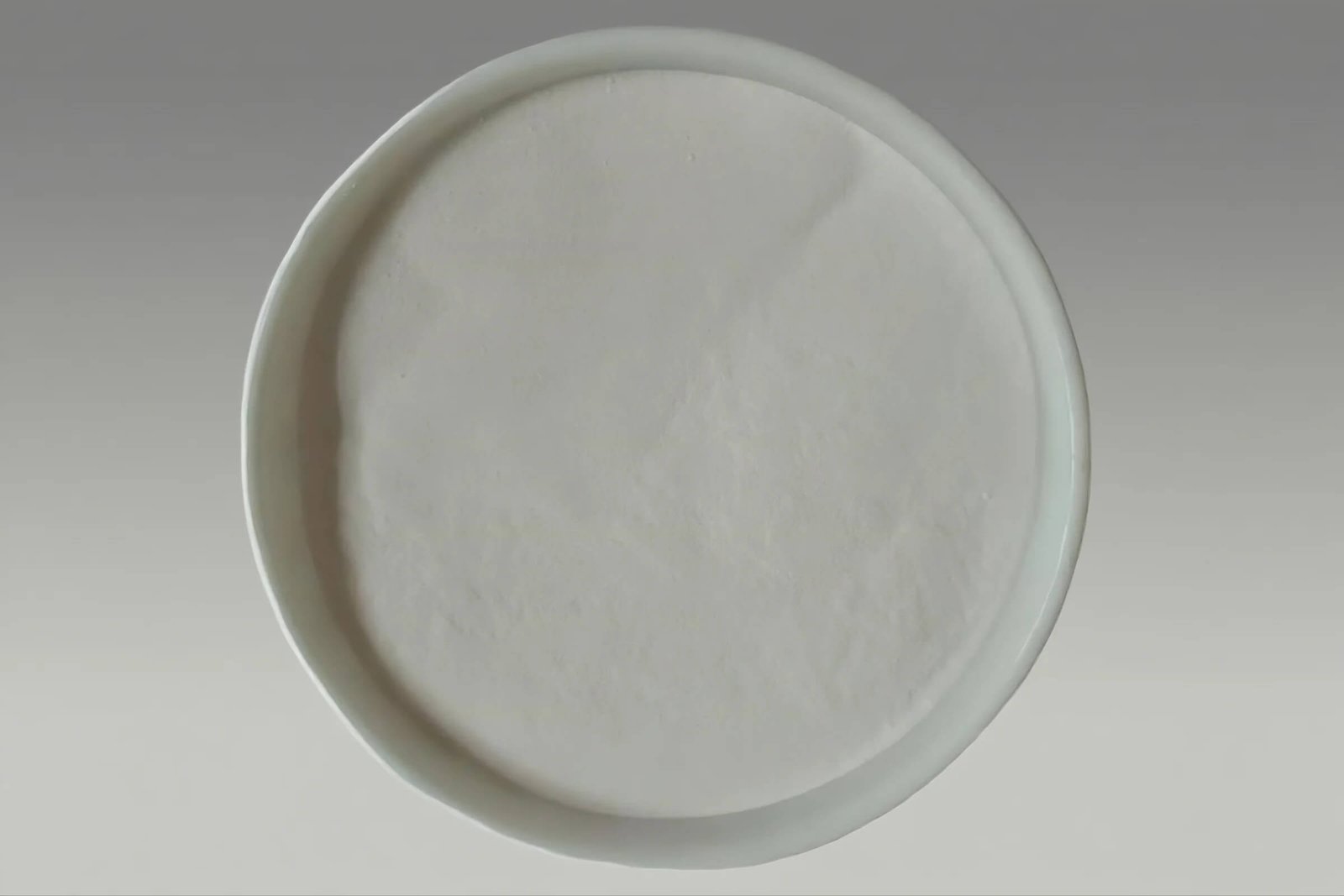
Manganese sulfate is an essential micronutrient used in agriculture to support crop growth, improve soil health, and enhance nutrient absorption. While it might seem like a straightforward fertilizer, choosing the right manganese sulfate product can significantly affect crop yield, nutrient efficiency, and operational costs. Agriculture-grade manganese sulfate typically comes in powder or granular form, and each type offers different benefits depending on soil type, crop variety, and application method. In this guide, we outline 10 key considerations for industrial buyers and large-scale farms when purchasing manganese sulfate.
1. Purity and Chemical Composition
The first factor to evaluate is the purity of the manganese sulfate. High-purity manganese sulfate generally contains 30–32% Mn, with minimal impurities like iron, calcium, or heavy metals. Impurities can impact solubility and nutrient availability, and in some cases, they can interfere with other fertilizers or soil amendments.
When comparing suppliers, ask for a certificate of analysis (CoA) detailing the Mn content, moisture level, and trace contaminants. Products labeled as “battery-grade” or “high-purity” might be over-specified for agricultural use, but they ensure consistent quality for sensitive crops or high-value applications.
Tip: Avoid suppliers who cannot provide lab-tested purity reports. Reliability in chemical composition is crucial for predictable crop performance.
2. Form: Powder vs Granular
Agriculture-grade manganese sulfate is available mainly in powder and granular forms, and choosing the right form depends on your application method:
- Powder: <100 μm particle size, high solubility (40–50 g/L), ideal for foliar spraying and hydroponics. Pros include rapid absorption and easy integration into liquid solutions. Cons: dusty, sensitive to humidity, and shorter shelf life.
- Granular: 1–3 mm particle size, slower solubility (30–35 g/L), ideal for soil amendment and bulk application. Pros: easy to handle, long shelf life, compatible with blending into NPK fertilizer mixes. Cons: slower absorption if used in foliar sprays.
| Property | Powder | Granular |
|---|---|---|
| Mn Content (%) | 30–32 | 30–32 |
| Solubility (g/L) | 40–50 | 30–35 |
| Particle Size | <100 μm | 1–3 mm |
| Advantages | Rapid uptake, foliar-friendly | Slow release, easy storage |
| Limitations | Dusty, short shelf life | Slower absorption |
3. Solubility and Dissolution Rate
The solubility of manganese sulfate in water determines how quickly crops can absorb manganese. Powder forms dissolve faster and are preferred for liquid fertilizers or foliar sprays. Granular forms release manganese more slowly, making them suitable for long-term soil nutrient supply.
Key considerations:
- Ensure the product dissolves fully without leaving residue in spray tanks.
- Check solubility ratings at 25°C to match field conditions.
- For hydroponic or controlled-environment crops, complete dissolution is essential for accurate dosing.
4. Soil Type Compatibility
Different soils interact differently with manganese sulfate. For example:
- Acidic soils (pH < 6.5): Manganese is more available; both powder and granular forms are effective.
- Alkaline soils (pH > 7): Manganese can precipitate as manganese oxide; higher solubility forms or foliar sprays may be necessary.
- Sandy soils: Quick leaching may reduce effectiveness; granular slow-release forms are better for sustained supply.
Tip: Conduct a soil test before large-scale purchase to determine the required manganese dosage and appropriate product form.
5. Crop Type and Nutrient Requirements
Different crops have varying manganese needs:
- High-demand crops: Corn, soybeans, sugarcane, and leafy vegetables benefit from foliar application of soluble powder manganese sulfate.
- Field crops: Wheat, rice, and grains often receive granular forms blended into soil amendments.
- Specialty crops or hydroponics: Require powder for precise dosing.
Actionable insight: Match the product form to crop requirements to maximize uptake and yield while minimizing waste.
6. Packaging and Handling
Manganese sulfate packaging affects storage, transportation, and safety:
- Powder: Typically packed in 25–50 kg bags. Dusty powders require careful handling, PPE, and proper ventilation.
- Granular: Bulk bags (500–1,000 kg) or small bags; easier to handle and store. Resistant to caking if stored in dry conditions.
Recommendation: Consider your farm logistics, storage space, and safety protocols when choosing packaging.
7. Shelf Life and Stability
Shelf life is particularly important for powder forms due to moisture sensitivity. Granules generally last longer because their particle size reduces oxidation and moisture absorption.
Checklist for buyers:
- Ask suppliers about recommended storage conditions.
- Avoid products stored in high-humidity environments.
- Check for caking or discoloration as indicators of reduced quality.
8. Supplier Reliability and Certification
Choosing a reliable supplier ensures consistency in quality, delivery, and technical support. Look for suppliers with:
- ISO 9001 or equivalent quality management certification.
- Consistent production processes with traceable raw materials.
- Proven track record in agriculture-grade manganese sulfate.
- Responsive customer support for technical guidance.
Tip: Request sample analysis or trial shipment before placing bulk orders.
9. Regulatory Compliance and Safety
Ensure that the manganese sulfate meets local regulations for agricultural use. Consider:
- Heavy metal limits according to FAO, EU, or local agriculture regulations.
- Proper labeling for storage, handling, and PPE requirements.
- Compliance with international transport standards if sourcing from overseas.
Safety note: Even though granular forms are safer to handle, powders can be inhaled; masks, gloves, and proper ventilation are recommended during handling.
10. Cost and Total Value
Finally, assess the total cost of ownership rather than just the unit price:
- Powder: Might cost slightly more per kg but ensures faster crop absorption and potentially higher yields.
- Granular: Economical for bulk soil application and long-term storage, reducing handling losses.
- Factor in shipping, storage conditions, and application efficiency.
Pro tip: Compare suppliers not only on price but also on purity, solubility, packaging, and technical support. A slightly higher-priced, high-quality product can save money in the long run by improving crop performance.
Conclusion
Purchasing agriculture-grade manganese sulfate requires careful consideration of multiple factors including purity, form, solubility, soil compatibility, crop type, packaging, shelf life, supplier reliability, regulatory compliance, and cost.
- Powder: Ideal for foliar applications, hydroponics, and rapid nutrient absorption.
- Granular: Best for soil amendment, bulk transport, and slow-release requirements.
By carefully evaluating these factors, industrial buyers and large-scale farms can optimize manganese supply for crops, increase efficiency, and reduce operational risks.
FAQ
Q1: Can granular manganese sulfate be used for foliar spraying?
A: Yes, but it must be fully dissolved in water first. Powder forms are easier for foliar applications due to higher solubility.
Q2: What is the typical manganese content in agriculture-grade manganese sulfate?
A: Usually 30–32% Mn for both powder and granular forms.
Q3: How should manganese sulfate be stored?
A: Store in a cool, dry, ventilated area. Keep bags sealed to prevent moisture and caking. Powder requires more careful handling due to dust.
Q4: Which form is more cost-effective for large-scale soil application?
A: Granular form is generally easier and cheaper to transport in bulk and is ideal for field applications.
Q5: How can I ensure consistent quality from a supplier?
A: Request a certificate of analysis, check production methods, and consider suppliers with ISO certifications and technical support.

I am Edward lee, founder of manganesesupply( btlnewmaterial) , with more than 15 years experience in manganese products R&D and international sales, I helped more than 50+ corporates and am devoted to providing solutions to clients business.