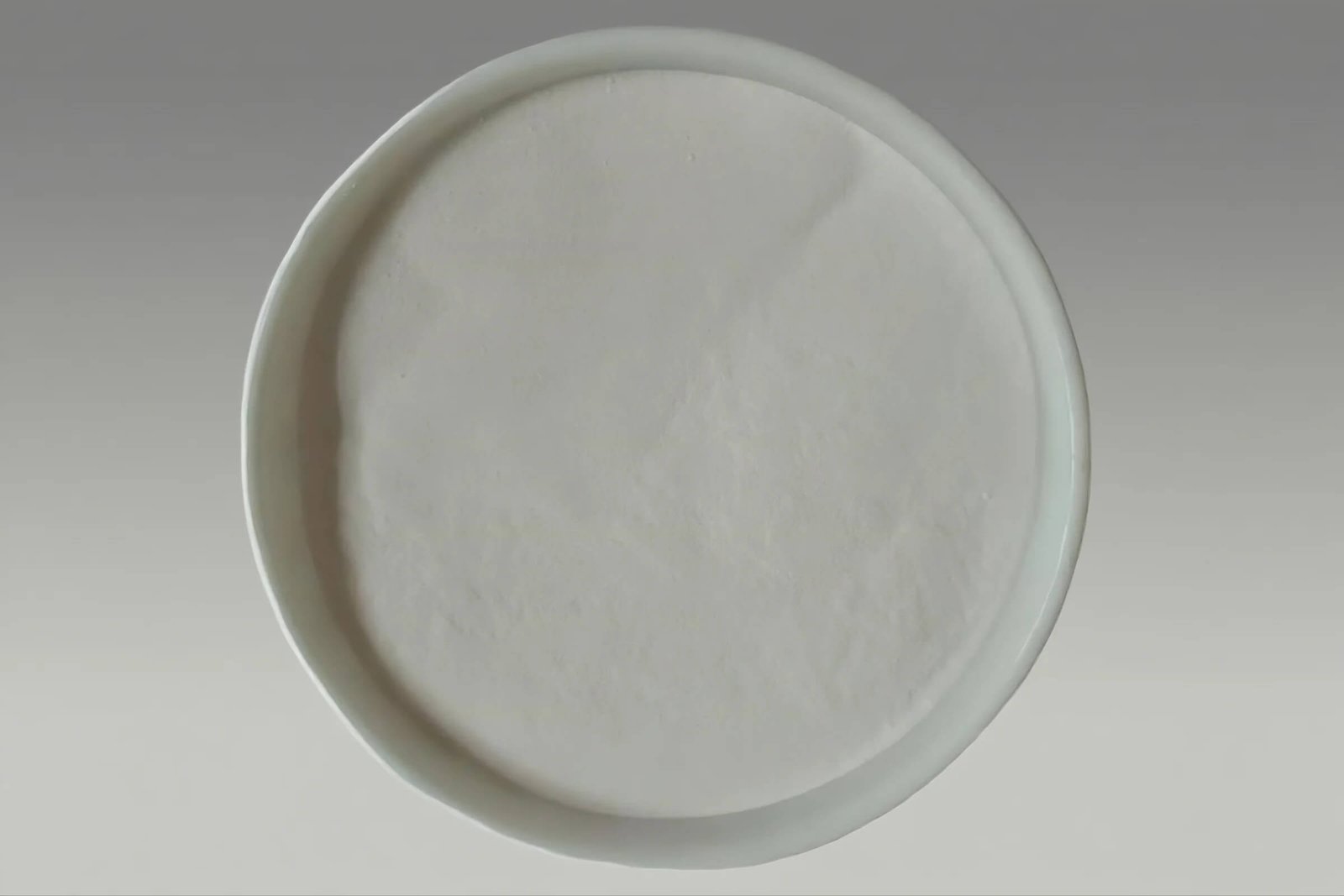
Agriculture‑grade manganese sulfate monohydrate (MnSO₄·H₂O) is a critical micronutrient fertilizer used to correct manganese deficiency in soils and foliar sprays. It comes in two primary physical forms—powder and granular—each engineered for specific agronomic and handling advantages.
For industrial buyers, choosing the right form impacts nutrient uptake efficiency, application precision, logistics cost, and field performance. In this comparison, we break down physical properties, application scenarios, and advantages to help you select the optimal manganese sulfate form for your crop nutrition programs.
What is Agriculture Grade Manganese Sulfate?
Agriculture‑grade manganese sulfate monohydrate is a micronutrient fertilizer with the chemical formula MnSO₄·H₂O. It supplies manganese (Mn), an essential element for chlorophyll synthesis, enzyme activation, and plant metabolism. Typical analysis for agriculture grade:
- Chemical formula: MnSO₄·H₂O
- Typical Mn content: ~30–32%
- Water solubility: Moderate; form‑dependent
- Primary uses: Correcting manganese deficiency, soil amendment, foliar application
Manganese deficiency commonly occurs in high‑pH soils and in crops like corn, soybean, fruit trees, and vegetables. Applying manganese sulfate enhances photosynthetic activity, improves yield, and supports stress resistance.
Powder vs Granular: Physical Properties
Powder Form
- Particle size: <100 μm
- Bulk density: ~0.9–1.1 g/cm³
- Solubility: High and fast
- Handling: Dusty; requires dust control
- Ideal for: Foliar sprays, greenhouse hydroponics
Key Characteristics:
Powder dissolves rapidly in water, enabling quick availability of manganese for foliar absorption or fertigation. However, its fine nature creates dust, which requires PPE and careful storage.
Granular Form
- Particle size: 1–3 mm
- Bulk density: ~1.2–1.4 g/cm³
- Solubility: Slower, controlled release
- Handling: Easier; less dust
- Ideal for: Soil broadcasting, fertilizer blends
Key Characteristics:
Granular manganese sulfate dissolves more slowly, making it better suited for soil applications where uniform distribution and gradual nutrient release are desired. Granules also handle, transport, and store more easily with reduced dust.
Comparison Table
| Property | Powder | Granular |
|---|---|---|
| Mn Content (%) | ~30–32 | ~30–32 |
| Solubility (g/L @ 25°C) | 40–50 | 30–35 |
| Particle Size | <100 µm | 1–3 mm |
| Handling | Dusty, requires PPE | Easy, low dust |
| Shelf Life | Sensitive to moisture | Longer, stable |
| Best For | Foliar & fertigation | Soil amendment & bulk |
Application Scenarios
Soil Amendment
For soil applications, granular manganese sulfate is typically preferred. Granules can be blended with base fertilizers (e.g., NPK) or broadcast evenly. Their weight and size ensure even spreading and controlled release, which enhances root uptake over the growing season.
Best practices:
- Blend with primary fertilizers to ensure uniformity
- Apply before planting in deficient fields
- Use with soil conditioners to optimize micronutrient availability
Foliar Spray
For crops needing rapid correction of manganese deficiency, powder manganese sulfate excels. Its fine particles dissolve quickly, making manganese available for leaf uptake within hours.
Best practices:
- Dissolve powder fully in water (use agitation)
- Add surfactants to improve adhesion on leaf surfaces
- Spray during cooler parts of the day to prevent burn
Hydroponics & Controlled Environments
In hydroponic systems or greenhouses, powder formulation is advantageous due to complete solubility and precise dosing. Granular forms are impractical in closed systems where solutes must dissolve fully for nutrient solutions.
Advantages & Disadvantages
Powder Form
Pros
- Fast solubility and nutrient availability
- Excellent for foliar and fertigation use
- Better suited for precision agriculture
Cons
- Dust generation requires PPE and dust suppression
- Sensitive to humidity; needs sealed storage
- Higher handling care increases operational steps
Granular Form
Pros
- Easy to handle and transport
- Long shelf life and moisture tolerance
- Controlled release supports sustained nutrition
Cons
- Slower dissolution
- Requires pre‑dissolving for foliar use
- Less effective where rapid correction is needed
Handling, Storage, and Safety
To maximize effectiveness and ensure safety:
- Store in cool, dry, ventilated areas to prevent caking
- Seal bags/bulk containers to reduce moisture uptake
- For powders, use PPE (masks, gloves) and dust‑control measures
- Granules generally handle safer, but avoid dust during blending
Proper storage and handling not only protect workers but also preserve product integrity and extend shelf life.
Conclusion & Actionable Recommendations
Powder manganese sulfate monohydrate is best when:
- Rapid absorption is needed
- Foliar or fertigation application is planned
- Precision and complete dissolution are priority
Granular manganese sulfate monohydrate is best when:
- Soil amendment and broadcasting are primary goals
- Handling, storage stability, and transport are major concerns
- Integration into fertilizer blends is desired
Industrial Buyers Should Decide Based On:
- Application Method: Foliar vs soil
- Logistics: Storage, transport, moisture control
- Crop Needs: Rapid correction vs sustained release
Frequently Asked Questions
Q1: Can I use granular manganese sulfate for foliar spray?
Yes—if fully dissolved before spraying—but powder form dissolves easier and is generally more effective for foliar use.
Q2: What is the typical manganese content in agricultural manganese sulfate?
Both powder and granular forms typically contain ~30–32% manganese.
Q3: How should manganese sulfate be stored?
Keep it in a dry, ventilated place with sealed packaging. Powders require more careful humidity control.
Q4: Which form is more cost‑effective for large field applications?
Granular form is usually more cost‑effective for soil applications due to easier handling and transport.

I am Edward lee, founder of manganesesupply( btlnewmaterial) , with more than 15 years experience in manganese products R&D and international sales, I helped more than 50+ corporates and am devoted to providing solutions to clients business.