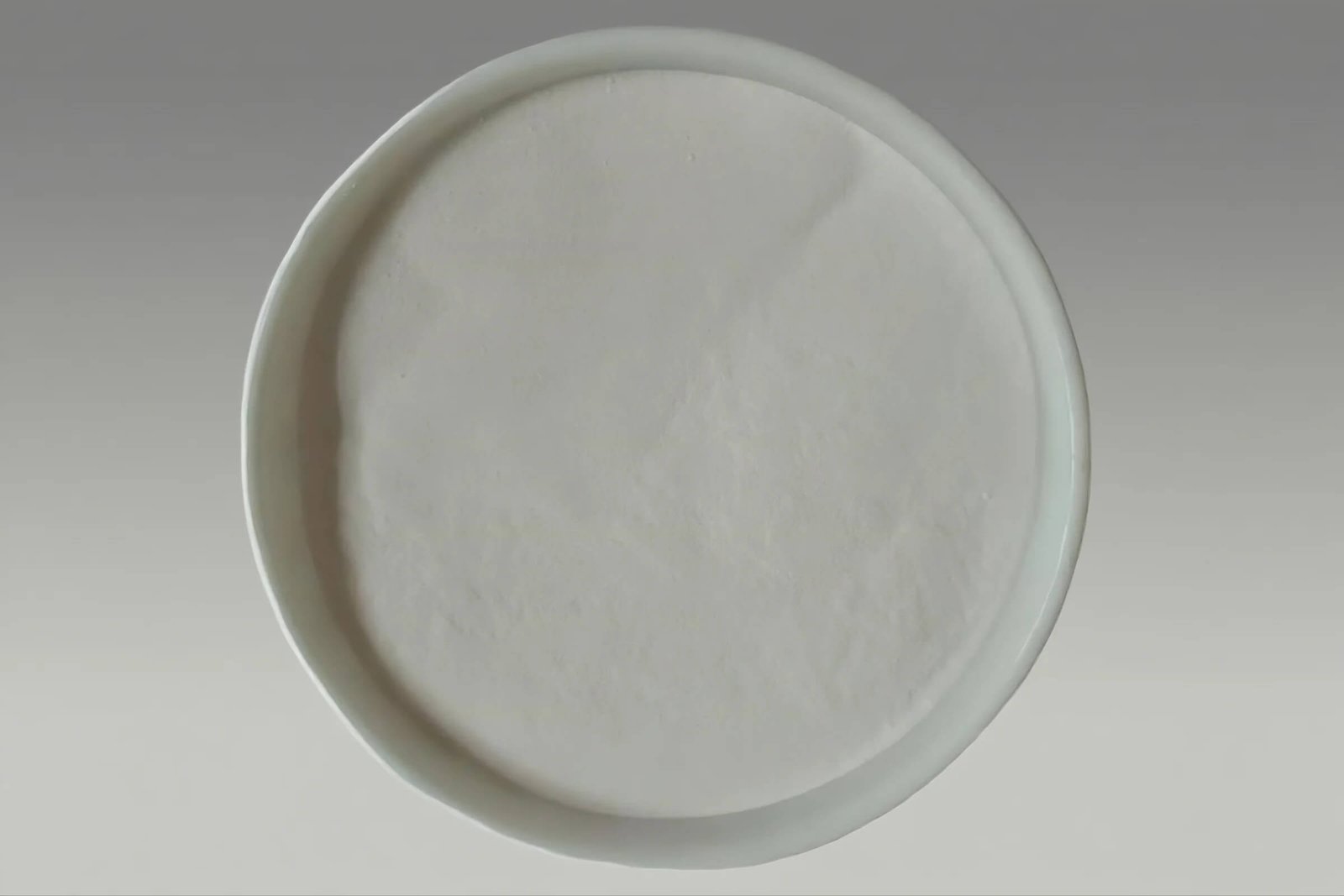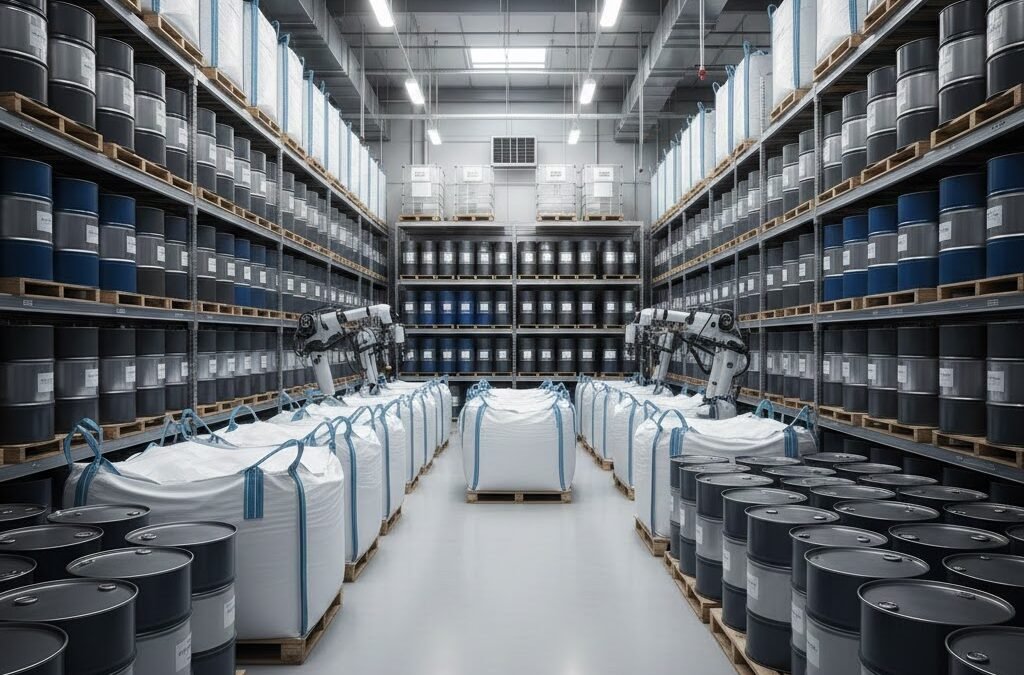
Safe storage and handling of manganese oxide powder are critical for maintaining material quality, ensuring worker safety, and preventing contamination across battery, ceramic, glass, and metallurgical applications. Improper exposure to moisture, airborne dust, or incompatible materials can lead to oxidation state changes, particle agglomeration, purity loss, and occupational health risks.
Industry data show that controlling moisture below 0.5–1.0%, limiting dust concentration in air, and maintaining sealed, chemically inert packaging significantly improves batch consistency and downstream process stability. From a compliance perspective, proper handling reduces the risk of exceeding workplace exposure limits for manganese compounds and helps manufacturers meet ISO, OSHA, and REACH-related requirements.
Technical Background: What Is Manganese Oxide Powder?
Manganese oxide powder refers to a group of manganese oxides used as industrial raw materials, most commonly:
Manganese(III) oxide (Mn₂O₃)
Manganese dioxide (MnO₂)
Each form has different oxidation states, reactivity, and stability profiles. In many supply chains, MnO is used as a precursor material for ceramics, glass decolorization, ferrites, fertilizers, and battery cathode preparation, while MnO₂ is widely used in electrochemical systems.
Why Storage and Handling Matter
Manganese oxide powders are typically:
Fine-grained (often D50: 1–50 µm)
Hygroscopic to varying degrees
Chemically reactive under moisture, heat, or acidic environments
Even small deviations in storage conditions can affect:
Oxidation state stability
Particle size distribution (PSD)
Flowability and mixing uniformity
Final product performance or yield
Key Risks in Improper Storage and Handling
1. Moisture Absorption and LOI Increase
Moisture uptake is one of the most common degradation mechanisms.
Typical acceptable moisture range: ≤0.5–1.0%
Elevated moisture can increase loss on ignition (LOI) by 0.3–1.5%
Consequences include:
Poor calcination control
Gas release during sintering
Reduced packing density
For battery and ceramic applications, even a 0.5% increase in LOI can cause visible defects or performance deviation.
2. Dust Generation and Worker Exposure
Fine manganese oxide powders can generate respirable dust during:
Bag opening
Pneumatic transfer
Manual weighing
Occupational exposure limits for manganese compounds are tightly regulated. Excessive airborne dust increases risks of:
Respiratory irritation
Long-term neurological effects (chronic exposure)
From a factory management perspective, dust control is both a safety and compliance issue.
3. Oxidation State Drift
Under high humidity or oxygen-rich environments, MnO may partially oxidize toward higher oxides.
This can change:
Stoichiometry
Reactivity
Color and phase behavior
Particularly critical for:
Battery precursor preparation
Controlled ceramic coloration
Recommended Storage Conditions
Environmental Controls
| Parameter | Recommended Range | Why It Matters |
|---|---|---|
| Temperature | 5–30 °C | Prevents condensation and thermal stress |
| Relative Humidity | ≤50% RH | Limits moisture absorption |
| Air Exchange | Low, filtered | Reduces dust dispersion |
| Light Exposure | Avoid direct sunlight | Minimizes thermal cycling |
Packaging Requirements
For industrial and battery-grade manganese oxide powder:
Inner layer: PE liner (≥0.08 mm thickness)
Outer layer: Kraft paper bag or fiber drum
Bulk packaging: 500–1000 kg FIBC with moisture barrier
Packaging should be:
Airtight
Chemically inert
Mechanically stable under stacking loads
MnO vs MnO₂: Storage and Safety Difference
| Parameter | Manganese(II) Oxide (MnO) | Manganese Dioxide (MnO₂) | Why It Matters |
|---|---|---|---|
| Oxidation state | +2 | +4 | Different redox stability affects storage behavior |
| Oxidation sensitivity | Moderate – can oxidize to higher oxides under humid, oxygen-rich conditions | Low – already at high oxidation state | MnO requires stricter atmosphere and humidity control |
| Recommended storage humidity | ≤45–50% RH | ≤55–60% RH | MnO absorbs moisture more readily |
| Moisture impact | Increases LOI and promotes oxidation | Mainly affects flowability | MnO quality degrades faster with moisture |
| Typical LOI sensitivity | High – LOI may increase by 0.5–1.5% | Moderate – LOI change usually <0.5% | Important for calcination and ceramic firing |
| Dust hazard | Moderate | Moderate to high (often finer PSD) | Fine MnO₂ powders generate more airborne dust |
| Health exposure focus | Oxidation + inhalation | Inhalation and chronic exposure | PPE and ventilation are critical for both |
| Fire / reactivity risk | Low (non-flammable) | Low, but strong oxidizing behavior in some grades | MnO₂ must be isolated from organics/reducers |
| Chemical compatibility | Avoid acids and oxidizers | Avoid organics, sulfides, reducing agents | Prevent unwanted reactions during storage |
| Packaging recommendation | PE liner + moisture barrier outer bag | PE liner + rigid drum or lined FIBC | MnO₂ often requires stronger containment |
| Shelf life (sealed) | 12–18 months | 18–24 months | MnO₂ is more chemically stable |
| Typical applications | Ceramics, glass, fertilizers, precursors | Batteries, catalysts, oxidants | Application drives safety requirements |
Safe Handling Practices in Production Environments
Personal Protective Equipment (PPE)
Minimum recommended PPE during handling:
N95 or P100 dust respirator
Chemical-resistant gloves
Safety goggles
Long-sleeved protective clothing
These measures reduce inhalation and dermal exposure during high-dust operations.
Dust Control Measures
Effective engineering controls include:
Local exhaust ventilation (LEV)
Enclosed screw or vacuum transfer systems
Anti-static flooring and grounding
Wet cleaning (no dry sweeping)
Maintaining airborne dust below internal action limits significantly improves workplace safety and material yield.
Specification Stability and Quality Impact
Particle Size Preservation
Repeated exposure to humidity can cause:
Particle agglomeration
Shift in D50 by +10–30%
Reduced surface reactivity
For applications requiring tight PSD control, storage conditions directly influence downstream reaction kinetics.
Impurity Control and Cross-Contamination
Improper storage near incompatible materials (acids, alkalis, heavy metals) increases contamination risk.
Critical impurity thresholds often include:
Fe: ≤100–300 ppm
Pb, As: ≤10 ppm (battery / feed related uses)
Segregated storage zones are recommended.
Quality Control & Testing After Storage
Key COA Parameters to Re-Verify
| Test Item | Method | Purpose |
|---|---|---|
| Moisture (%) | Oven drying | Detect humidity exposure |
| LOI (%) | High-temp calcination | Stability assessment |
| Particle size (D50) | Laser diffraction (ISO 13320) | Agglomeration check |
| Elemental impurities | ICP-OES / ICP-MS | Contamination control |
Sampling should follow representative sampling principles, especially for bulk bags or long-stored inventory.
Transportation and Logistics Considerations
Use covered, moisture-proof containers
Avoid temperature shock during transit
Clearly label:
Chemical name
Batch number
Net weight
Storage warnings
From a customs perspective, manganese oxide powder is typically classified under HS Code 2820 (specific subcodes may vary by oxide form).
Purchasing & Supplier Evaluation: Storage Capability Matters
When evaluating manganese oxide suppliers, buyers should confirm:
Warehouse humidity control systems
FIFO (first-in, first-out) inventory logic
Batch traceability after long-term storage
Re-inspection protocols before shipment
Low-cost suppliers often neglect storage discipline, leading to hidden quality loss despite compliant initial COA values.
FAQ: Storage and Handling of Manganese Oxide Powder
What humidity level is safe for manganese oxide powder storage?
≤50% RH is generally recommended to prevent moisture uptake and agglomeration.
Can manganese oxide powder be stored long term?
Yes, typically 12–24 months if sealed properly and stored under controlled conditions.
Does moisture affect chemical performance?
Yes. Increased moisture and LOI can reduce reaction control and yield.
Is manganese oxide considered hazardous?
It is not highly hazardous but requires dust control and exposure management.
Should material be retested after storage?
Yes, especially moisture, LOI, and particle size for sensitive applications.
Can different manganese oxides be stored together?
Not recommended due to contamination and oxidation risks.
Final Practical Checklist for QA & Procurement Teams
Verify packaging integrity upon receipt
Store below 50% RH, away from heat sources
Use sealed inner liners at all times
Implement dust control during handling
Retest moisture, LOI, and PSD after long storage
Audit supplier warehouse conditions regularly
Related Products

manganese dioxide

manganese carbonate

manganese sand
Related Posts

I am Edward lee, founder of manganesesupply( btlnewmaterial) , with more than 15 years experience in manganese products R&D and international sales, I helped more than 50+ corporates and am devoted to providing solutions to clients business.