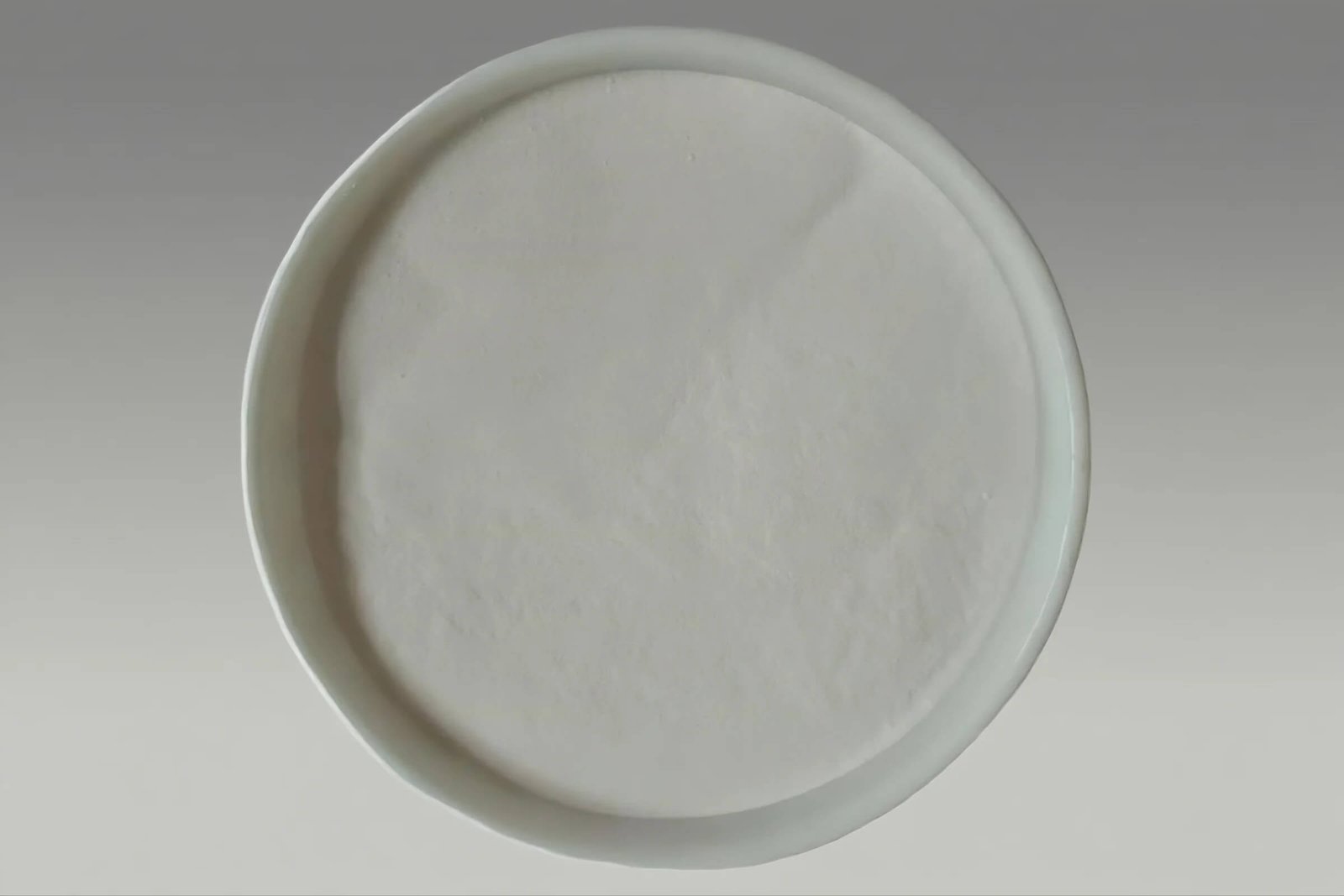
Manganese carbonate (MnCO₃) is an important industrial chemical used in steel production, battery cathodes, fertilizers, pigments, and other applications. Its production requires precise control of raw materials, chemical processes, and operating parameters to ensure high quality and purity. In this article, we will focus on the key raw materials, production methods, and step-by-step process flows for manganese carbonate production, followed by applications, market perspectives, and environmental considerations.
Quick summary
Manganese carbonate (MnCO₃) — molar mass 114.95 g·mol⁻¹, theoretical manganese content ≈47.79% by mass for pure MnCO₃. PubChem
Industrial production typically uses carbonate precipitation from manganese salt solutions (most commonly MnSO₄) — using ammonium carbonate or sodium carbonate or direct CO₂ carbonation of Mn-bearing liquor. Choice affects waste streams and purity. MDPI+1
Typical precipitation conditions observed in literature/patents: pH ~7.8–8.2 (≈8.0), temperature 20–50 °C, reaction time 1–3 hours; controlling pH, feed sequence and redox (for Fe removal) is critical to minimize co-precipitation of Ca/Mg/Fe.
Raw materials for manganese carbonate production
Below are the raw input streams typically used in industrial production, why they matter, and the typical quality/parameter ranges you should expect.
Table — Raw materials and typical specs
| Raw material | Purpose | Typical / target specs (industrial) | Why it matters |
|---|---|---|---|
| Manganese ore (rhodochrosite / Mn oxide concentrates) | Source of Mn — leached to produce Mn²⁺ solution | MnOx content varies; concentrates often 30–45% Mn (oxide basis) depending on ore. Use high-grade concentrates for economics. | Base source of Mn — controls downstream impurities (Fe, Ca, Mg) |
| Sulfuric acid (H₂SO₄) | Leaching agent to convert ore to MnSO₄ solution | Typical leach T: 60–80 °C for faster extraction; sulfuric concentration depends on feed. | Produces MnSO₄ liquor — common precursor for carbonate precipitation |
| Manganese sulfate solution (MnSO₄·xH₂O) | Main soluble Mn source for precipitation | Mn concentration often in range 10–50 g·L⁻¹ in industrial leachates (depends on process). | Determines reagent stoichiometry and reactor sizing |
| Carbonate source: (NH₄)₂CO₃ or Na₂CO₃ or CO₂ gas (carbonation) | Precipitating agent to form MnCO₃ | (NH₄)₂CO₃ or Na₂CO₃ solution; or direct CO₂ under controlled pH/pressure. Using Na₂CO₃ generates Na₂SO₄ waste; (NH₄)₂CO₃ yields ammonium sulfate by-product unless recycled. (MDPI) | Choice affects co-products, waste streams, and cost |
| Water (process water / deionized) | Solvent | Low hardness and low dissolved Ca/Mg preferred to avoid co-precipitation. | Impurities like Ca²⁺ and Mg²⁺ promote co-precipitation and lower Mn purity |
| Oxidant / aeration & precipitants (for Fe removal) | Convert Fe²⁺ → Fe³⁺ and remove as iron hydroxide/carbonate | Air/oxygen oxidation, sometimes catalysts (MnO₂) or CaCO₃ addition; redox potential control >~200 mV can be used. (Canadian Manganese) | Iron must be removed prior to carbonate precipitation to meet purity specs |
| Seeding / crystal modifiers / flocculants | Control particle size and filterability | Small amounts of seed crystals, polymer flocculants or surfactants may be used. | Improves filter cake quality and downstream drying |
Production methods
There are three principal industrial routes to produce MnCO₃. I list each method, then give a practical parameter table and discuss scale-up considerations.
A. Precipitation from MnSO₄ using carbonate salts (classical precipitation)
Reaction (simplified):
MnSO₄ (aq) + (NH₄)₂CO₃ (aq) → MnCO₃ (s) + (NH₄)₂SO₄ (aq)
Or using Na₂CO₃:
MnSO₄ (aq) + Na₂CO₃ (aq) → MnCO₃ (s) + Na₂SO₄ (aq)
Key points:
Widely used industrially because MnSO₄ is a common, soluble intermediate obtained from acid leaching of ores or scrap.
Ammonium carbonate route produces ammonium sulfate (saleable in some markets) but may require ammonium recovery/recycling; sodium carbonate route produces sodium sulfate (salt waste) requiring treatment. MDPI review notes sodium salt routes produce significant low-value sodium sulfate waste (higher treatment cost). MDPI
Typical control parameters (industrial, literature & patent ranges):
| Parameter | Typical value / range | Notes & why |
|---|---|---|
| pH during precipitation | 7.8–8.2 (optimum ≈ 8.0) | Patents and pilot studies maintain ~8.0 to favor MnCO₃ formation and minimize hydroxide formation. |
| Temperature | 20–50 °C (often ambient 20–30 °C) | Higher temp can accelerate rates but may change crystal habit. Literature often tests 25–50 °C. SCIRP |
| Reaction time / residence | 1–3 hours | Ensures nucleation and growth; some labs report 1–2 h for >90% recovery. SCIRP |
| Mn²⁺ feed concentration | 10–50 g·L⁻¹ Mn typical | Higher concentration increases productivity but can increase co-precipitation risk. |
| Stoichiometry of carbonate | 1.05–1.2× theoretical | Slight excess carbonate recommended to drive complete precipitation and account for side reactions. |
| Mixing / feed method | Controlled addition (metered) of carbonate into Mn solution, or vice-versa, with good agitation; feeding method strongly affects selectivity vs Ca/Mg co-precipitation. |
Pros: Simple chemistry, well known.
Cons: Generates secondary sulfate streams (Na₂SO₄ or (NH₄)₂SO₄), which need handling; co-precipitation of Ca/Mg/Fe must be managed.
B. Carbonation method — CO₂ gas + base control (direct carbonation)
Concept: Bubble CO₂ into a neutralized Mn-bearing liquor (or add CO₂ to Mn(OH)₂ slurries) to precipitate MnCO₃. This can be done under atmospheric or elevated CO₂ pressure.
Key points:
Can be greener when CO₂ is sourced from flue gas or captured CO₂ and avoids large volumes of external carbonate salts. MDPI and carbonation studies show this is an effective route especially when paired with CO₂ sequestration efforts. MDPI+1
The process requires careful control of CO₂ partial pressure, pH (to keep carbonate species in the right form), and mixing.
Typical control parameters from studies:
| Parameter | Typical value / notes |
|---|---|
| pH control | Maintain pH where HCO₃⁻/CO₃²⁻ balance favors carbonate formation — often pH ~8 region (requires buffering) |
| Temperature | 25–60 °C depending on kinetics and CO₂ solubility |
| CO₂ partial pressure | atmospheric to 0.2–0.5 MPa reported in some patent impurity-removal/carbonation steps. |
| Reaction time | 1–3 hours, depending on CO₂ mass transfer |
Pros: Less salt waste if CO₂ is used smartly; opportunity to combine with CO₂ utilization.
Cons: Requires CO₂ handling equipment and good gas–liquid mass transfer design.
C. Hydrometallurgical pathways starting from ores (integrated route)
Concept: Leach Mn ore with acid → remove major impurities (iron, heavy metals, Ca/Mg) → concentrate Mn in solution → carbonate precipitation (as above).
Key upstream steps (each with important control points): ore grinding → acid leach (T, H₂SO₄ conc) → iron oxidation & removal (air/O₂, pH control, CaCO₃-assisted removal) → heavy metal removal → concentration and carbonate precipitation. These pre-treatments are essential to achieve battery/chemical-grade MnCO₃.
Process flow: step-by-step explanation
Below is a practical industrial flow with the major operations, typical operating ranges, and control targets. This is the core section the blog asked to emphasize.
↓ (crush & grind)
Acid leach (H2SO4, T 60–80 °C) → MnSO4 solution
↓
Impurity removal:
– Oxidation & Fe precipitation (air/O2, redox >200 mV, pH 4–6)
– Ca/Mg control (carbonate precipitation or fluorination in some plants)
↓
Clarification / filtration
↓
Carbonate precipitation (NH4)2CO3 / Na2CO3 or CO2 carbonation
(pH ~7.8–8.2, T 20–50 °C, 1–3 h)
↓
Filtration / washing (remove sulfate salts)
↓
Drying (80–120 °C depending on product control)
↓
Milling / sieving / packaging
Step details, control parameters and rationale
Step 1 — Ore preparation & acid leach
Goal: Convert solid Mn ore to soluble Mn²⁺ (MnSO₄).
Parameters: H₂SO₄ concentration varies (industrial practice often uses 10–50% wt solutions or controlled leach conditions), temperatures 60–80 °C accelerate leaching. Many processing studies recommend ~343 K (~70 °C) as effective for extraction.
Step 2 — Iron removal (critical)
Why: Iron (common in Mn ores) will co-contaminate MnCO₃ if not removed — battery/catalyst grades require Fe < 0.01% or similar.
Typical method: Oxidation of Fe²⁺ to Fe³⁺ (air/O₂), then precipitation as Fe(OH)₃ or as carbonate with CaCO₃; maintain redox potential > ~200 mV and pH control (Fe oxidation at pH 3–6 depending on method). Studies and industry practice stress staged oxidation and sufficient retention times. Canadian Manganese+1
Step 3 — Ca/Mg and other impurity control
Why: Ca²⁺ and Mg²⁺ readily co-precipitate with carbonate, reducing Mn purity.
How: Careful feed sequencing (feed Mn solution into carbonate or vice versa), controlling pH and supersaturation, and pre-removal by selective precipitation. Research shows feeding method, seeding, and pH are the most critical factors to minimize Ca/Mg co-precipitation.
Step 4 — Carbonate precipitation (the main MnCO₃ formation)
Target conditions: pH ~7.8–8.2, anticipate 1.05–1.2 stoichiometric excess of carbonate, temperature 20–50 °C, reaction time 1–3 h. Good agitation and controlled dosing avoid runaway nucleation (too fine particles) or cake-forming large crystals. Patent literature explicitly recommends pH 7.9–8.1 (especially 8.0) for continuous precipitation.
Step 5 — Solid–liquid separation & washing
Goal: Remove soluble sulfate salts (NH₄)₂SO₄ or Na₂SO₄) and soluble impurities. Washed filter cakes target low residual sulfate and acceptable moisture for drying. Flocculants may be used to improve filtration rate.
Step 6 — Drying & packaging
Applications of Manganese Carbonate
Manganese carbonate has diverse industrial applications, with demand driven by steel, energy storage, and agriculture.
Metallurgy and Steel Production
Used as a raw material to produce ferromanganese and electrolytic manganese dioxide (EMD).
Global steel industry consumes over 90% of manganese products (International Manganese Institute, 2023).
Manganese carbonate is particularly useful because it decomposes easily to MnO at 300–400°C, providing an active feedstock for steel alloying.
Battery Industry
Manganese carbonate is a precursor for lithium manganese oxide (LiMn₂O₄), a common cathode material in Li-ion batteries.
According to BloombergNEF (2023), manganese-based cathodes are expected to account for 12–15% of the Li-ion battery market by 2030 due to their lower cost and safety advantages compared to cobalt.
Agriculture (Fertilizers & Feed Additives)
MnCO₃ supplies bioavailable manganese for plant nutrition and animal feed.
Recommended Mn content in fertilizers: 15–20% (FAO, 2022).
Manganese deficiency in crops reduces yields by 20–40%; hence MnCO₃-based fertilizers are widely applied in soybean, wheat, and corn cultivation (USDA, 2021).
Pigments and Ceramics
Used as a raw material in manganese oxide pigments (brown, pink, violet).
Commonly added at 2–10% weight ratio in ceramic glazes.
Table: Key Applications and Consumption Ratios
| Application Area | Approx. Global Share (%) | Notes |
|---|---|---|
| Metallurgy & Steelmaking | 60–65% | Mainly ferroalloys, decomposed MnCO₃ → MnO feedstock |
| Battery Cathodes | 15–20% | LiMn₂O₄ cathodes, emerging market |
| Agriculture | 10–12% | Fertilizers and feed additives |
| Pigments & Ceramics | 3–5% | Coloring agents, glaze modifier |
Global Market Overview
Production and Supply
Major producing countries: China, South Africa, Gabon, and Australia.
China dominates, accounting for ~85% of global MnCO₃ production (IMnI, 2023).
Typical plant capacity: 10,000–50,000 metric tons per year.
Demand Trends
Steel industry remains the largest consumer.
Battery sector demand is growing at CAGR ~9% (2022–2030) due to EV expansion (IEA, 2023).
Agriculture consumption is stable, linked to fertilizer demand.
Market Prices
Industrial-grade manganese carbonate: USD 500–700/ton (China export FOB, Q1 2025).
Battery-grade manganese carbonate (≥99.5% purity): USD 900–1,200/ton (Benchmark Minerals, 2024).
Table: Price Comparison of Manganese Carbonate Grades (2024–2025)
| Grade | Purity (%) | Applications | Price Range (USD/ton) |
|---|---|---|---|
| Industrial Grade | 44–46% Mn | Fertilizers, pigments, ceramics | 500–700 |
| Battery Grade | ≥99.5% | Li-ion cathode precursors | 900–1,200 |
| Metallurgical Grade | 40–42% Mn | Ferroalloy production | 450–600 |
Environmental and Safety Considerations
Environmental Aspects
Wastewater: Production processes generate acidic effluents with Mn²⁺ content up to 500–1,000 mg/L (China Ministry of Ecology, 2023). Neutralization with lime or sodium hydroxide is required to meet discharge limits (<2 mg/L Mn).
Solid Waste: Residues from acid leaching may contain iron oxides and gypsum, requiring safe landfill or recycling.
CO₂ Emissions: Thermal decomposition of MnCO₃ → MnO releases CO₂. For every 1 ton of MnO, ~0.38 ton CO₂ is released (Stoichiometric calculation).
Safety Aspects
Dust inhalation can cause manganism, a neurological disorder.
OSHA (USA) sets workplace exposure limit for manganese compounds at 5 mg/m³ (ceiling limit).
Personal protection (respirators, gloves, goggles) and enclosed processing systems are standard requirements.
Sustainability Trends
Increasing use of closed-loop water systems to reduce wastewater discharge.
Shift toward bio-leaching methods using bacteria like Aspergillus niger to replace sulfuric acid (Journal of Cleaner Production, 2022).
Growing demand for low-carbon battery materials will pressure producers to reduce CO₂ emissions.
Conclusion
Manganese carbonate is a versatile industrial material with critical roles in steel, batteries, agriculture, and pigments. Its production requires:
Careful selection of raw materials (ores, carbonates, acids, CO₂).
Different methods (direct carbonation, reduction-precipitation, electrochemical synthesis) with trade-offs in purity, cost, and environmental impact.
A controlled process flow with parameters such as temperature (25–95°C), pH (6–7.5), and concentration carefully managed.
The global market is expanding, especially in battery-grade manganese carbonate, with China leading supply. However, environmental and safety challenges require sustainable solutions.
As industries shift toward clean energy and sustainable agriculture, high-purity, low-carbon manganese carbonate production will become increasingly valuable.
Related Products

manganese dioxide

manganese carbonate

manganese sand
Related Posts

I am Edward lee, founder of manganesesupply( btlnewmaterial) , with more than 15 years experience in manganese products R&D and international sales, I helped more than 50+ corporates and am devoted to providing solutions to clients business.