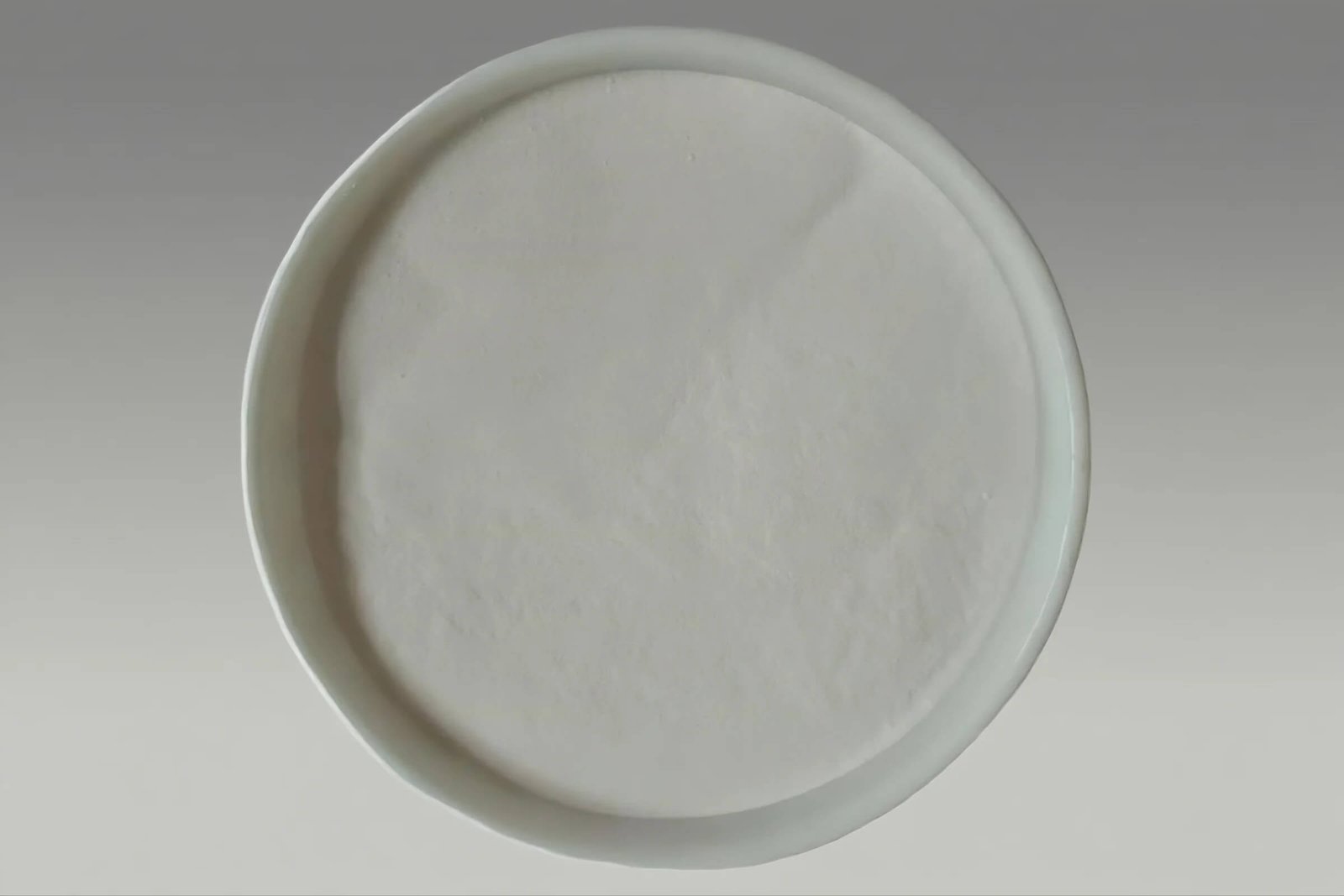
Manganese monoxide, known chemically as MnO, is recognized for its stability and distinctive chemical properties, making it an essential compound in modern industry. The significance of manganese monoxide uses spans a variety of fields, contributing to numerous manganese monoxide uses and applications. Among the primary manganese monoxide uses in industry are its roles in enhancing the quality of glass and ceramics, advancing battery technologies, facilitating chemical manufacturing, and boosting agricultural productivity. The table below outlines the diverse manganese monoxide uses across different industrial sectors:
| Industrial Sector | Application of MnO |
|---|---|
| Agriculture | Fertilizers, animal feed micronutrient |
| Electronics | Battery components for energy storage |
| Chemical Industry | Catalysts and reagents in manufacturing |
| Glass & Ceramics | Pigments, decolorizing, and color control |
These examples illustrate the extensive impact of manganese monoxide uses in various industries worldwide.
Manganese monoxide is a stable compound widely used in industries like ceramics, glass, batteries, steelmaking, agriculture, and water treatment.
In ceramics and glass, manganese monoxide improves strength, color control, and durability, making products more reliable and visually appealing.
Manganese monoxide enhances lithium-ion batteries by supporting better electrode performance, leading to faster charging and longer battery life.
Steelmakers use manganese monoxide to remove impurities and strengthen steel, resulting in tougher and more durable metal products.
Farmers add manganese monoxide to fertilizers and animal feed to boost crop growth and animal health by providing essential nutrients.
Manganese compounds help clean water by removing harmful metals and pollutants, supporting safer drinking water and environmental health.
Manganese monoxide acts as a catalyst in chemical and oil industries, improving reaction efficiency and fuel quality while reducing pollution.
Proper use and handling of manganese monoxide ensure safety, while its growing applications support innovation and sustainability worldwide.
Properties and Overview
Chemical Formula
Manganese monoxide, also called manganosite, has the chemical formula MnO. This compound contains manganese in the +2 oxidation state. The structure of manganese monoxide is simple compared to other manganese oxide forms. For example:
Manganese monoxide (MnO) features Mn(II) and a cubic crystal structure.
Pyrolusite (MnO2) contains Mn(IV) and forms tunnel structures.
Birnessite is a layered manganese oxide with mixed Mn(III) and Mn(IV) states.
Todorokite, another manganese oxide, has a complex tunnel structure.
Manganese monoxide stands out as the simplest manganese oxide, with only Mn(II) present. Other manganese oxide minerals often show mixed valence states, which affect their chemical and physical properties. The basic building block for all manganese oxide compounds is the MnO6 octahedron. These octahedra connect in different ways to create a variety of structures, from simple to complex. Nanostructured manganese oxide materials often use these frameworks to achieve unique properties for advanced applications.
Physical Traits
Manganese monoxide appears as a green powder or in chunks. It is insoluble in water but dissolves in acid solutions. The compound has a high melting point and a dense structure. The table below summarizes key physical properties:
Property | Value |
|---|---|
Color | Green |
Melting Point | 1650°C to 1945°C |
Solubility | Insoluble in water; soluble in acids |
Density | 5.43 to 5.46 g/cm³ |
Crystal Structure | NaCl type, cubic, space group Fm3m |
Refractive Index | 2.16 |
Form | Powder or chunks |
Manganese oxide compounds, including nanostructured manganese oxide, show a wide range of physical traits. These differences depend on the oxidation state of manganese and the arrangement of the MnO6 octahedra. Manganese oxide materials with nanostructured forms often display enhanced surface area and reactivity, making them valuable in energy storage and catalysis.
Production
Industries produce manganese monoxide mainly through carbothermal reduction. This process involves reducing manganese oxide ores with carbon at high temperatures. Recent advances use microwave-enhanced carbothermal reduction, which achieves a reduction ratio of up to 97.7% at 650°C in just 50 minutes. This method saves energy and reduces environmental impact compared to traditional roasting, which requires higher temperatures and longer times.
The transformation from manganese dioxide (MnO2) to manganese monoxide follows these steps:
MnO2 → Mn2O3 → Mn3O4 → MnO
Microwave heating provides better control and higher energy efficiency. It also produces less pollution. Electrolytic and smelting methods focus on making metallic manganese or ferromanganese alloys, not manganese monoxide. These methods involve complex ore processing and are less efficient for producing manganese monoxide.
Manganese monoxide serves as a starting material for synthesizing other manganese oxide compounds. Many industries use it to create specialized manganese oxide products, including nanostructured manganese oxide, for batteries, catalysts, and pigments.
Note: For more details on manganese oxide structures and production, reputable sources such as the U.S. Geological Survey (https://www.usgs.gov/) and ScienceDirect (https://www.sciencedirect.com/) provide in-depth information.
Manganese Monoxide Uses in Industry
Ceramics and Glass
Manganese monoxide plays a vital role in the ceramics and glass sectors. Manufacturers rely on manganese oxide to enhance the quality and performance of their products. The addition of manganese to ceramics improves densification and homogenization, leading to a more uniform microstructure. This process increases the mechanical strength and durability of ceramic items. Manganese oxide also acts as a network modifier, which disrupts the glass structure and boosts the crystallization ability of glass-ceramics. As a result, glass products gain improved dielectric properties and greater compressive strength.
Researchers have found that manganese ions serve as nucleating agents in glass-ceramics. These ions encourage the formation of magnetite phases, which further enhance the dielectric performance and mechanical properties of the final product. The use of manganese oxide in ceramics and glass remains popular due to its low cost, high activity, and stability. Its structural flexibility and low toxicity make it a preferred choice for many manufacturers. The industry values manganese monoxide uses for their ability to modify material properties without significantly altering the main crystal phase.
Glazes
Ceramic glazes benefit greatly from the inclusion of manganese oxide. Potters and industrial producers use manganese to achieve a wide range of colour effects, from soft browns to deep purples and blacks. The pigmentation process depends on the amount and type of manganese oxide added to the glaze mixture. Manganese monoxide uses in glazes help control the final appearance and surface quality of ceramic ware. The compound’s stability at high temperatures ensures consistent results during firing.
Manganese oxide also contributes to the pigmentation of bricks. By adjusting the concentration of manganese, manufacturers can produce bricks with rich, earthy tones. This approach allows for the creation of unique architectural finishes that stand out in the construction industry. The use of manganese oxide for bricks not only enhances colour but also improves the durability and weather resistance of the finished product.
Colored Glass
The glass industry relies on manganese monoxide to produce a variety of coloured glass products. Manganese oxide acts as both a decolorizing agent and a pigment. When added in small amounts, manganese removes unwanted greenish tints caused by iron impurities. In higher concentrations, it imparts shades of pink, purple, or even black to the glass. This versatility makes manganese essential for the production of stained glass, decorative bottles, and specialty glassware.
Glassmakers appreciate the ability of manganese to influence the colour and clarity of their products. The compound’s effectiveness in modifying the glass network structure leads to improved mechanical properties and enhanced visual appeal. Manganese monoxide uses in coloured glass production continue to grow as designers seek new ways to achieve vibrant and lasting colours.
Pigments and Paints
Manganese monoxide serves as a key ingredient in the manufacture of pigments and paints. The compound’s unique chemical properties allow for the creation of stable, long-lasting colours. Manganese oxide provides a broad palette, including browns, reds, and blacks, which are highly valued in both industrial and artistic applications. The pigmentation process relies on the ability of manganese to form strong chemical bonds with other elements, resulting in durable and fade-resistant finishes.
In the field of pigmentation, manganese oxide products offer several advantages. These include high tinting strength, excellent coverage, and resistance to light and chemicals. Artists and manufacturers use manganese-based pigments to achieve specific colour effects in paints, coatings, and plastics. The pigmentation of bricks also benefits from manganese oxide, as it delivers consistent and attractive hues that withstand harsh environmental conditions.
The demand for manganese oxide in pigmentation continues to rise. Its role in producing vibrant, stable colours makes it indispensable for a wide range of applications. The industry recognizes manganese monoxide uses as essential for meeting the evolving needs of modern design and construction.
Note: For further reading on the role of manganese in ceramics and glass, the American Ceramic Society (https://ceramics.org/) and ScienceDirect (https://www.sciencedirect.com/) provide comprehensive resources.

Batteries and Energy

Manganese monoxide stands at the forefront of energy storage applications, supporting advancements in battery technology and electrochemical devices. The compound’s unique properties make it valuable for both traditional and emerging energy storage solutions. Its role in electrochemical systems extends from battery electrodes to supercapacitors, where it enhances performance, stability, and efficiency.
Alkaline Batteries
Alkaline batteries remain a staple in portable energy storage. These batteries use a zinc anode, a manganese dioxide cathode, and a potassium hydroxide electrolyte. Manufacturers rely on manganese dioxide as the primary electrochemical material for the cathode, which drives the battery’s energy output and storage capacity. Manganese monoxide does not serve as a direct component in the manufacturing process of alkaline batteries. Instead, it appears as a byproduct or as part of the black mass during battery recycling. This distinction highlights the importance of understanding the specific electrochemical materials used in each battery type.
Note: Manganese monoxide’s presence in recycled materials points to its relevance in the circular economy of energy storage, where recovered compounds can be repurposed for new electrochemical applications. For more information, visit the U.S. Department of Energy (https://www.energy.gov/).
Lithium-Ion Batteries
Lithium-ion batteries have transformed energy storage applications, powering everything from smartphones to electric vehicles. Manganese monoxide plays a crucial role in these batteries, especially in the development of advanced electrode materials. In lithium manganese oxide (LMO) cathodes, manganese monoxide contributes to a spinel structure that enables three-dimensional lithium ion movement. This structure improves electrochemical performance by lowering internal resistance and enhancing current handling. As a result, lithium-ion batteries with LMO cathodes deliver high discharge rates, fast charging, and stable cycling.
The abundance and low toxicity of manganese make these batteries safer and more environmentally friendly compared to cobalt-based alternatives. Manganese monoxide also supports the development of composite electrodes, where it combines with materials like titanium nitride to boost electron transfer and electrochemical activity. These composites increase the surface area of the electrode, leading to better energy storage and improved battery performance.
Researchers have optimized the synthesis of manganese monoxide-based electrodes to address challenges such as capacity decay and manganese dissolution. Strategies include doping, surface coatings, and composite formation, all of which enhance specific capacity, rate capability, and cycling stability. The result is a new generation of lithium-ion batteries and electrochemical supercapacitors that offer higher energy density, longer life, and greater safety.
Supercapacitors benefit from manganese monoxide’s high theoretical capacity and stable structure. These devices store and release energy rapidly, making them ideal for applications that require quick bursts of power. The integration of manganese monoxide in supercapacitor electrodes supports high power output and reliable performance, further expanding its role in modern energy storage.

Metallurgy
Steelmaking
Steelmaking relies heavily on manganese oxide as a critical input. Producers introduce manganese oxide into the process mainly through ferromanganese and silicomanganese alloys. These materials play two essential roles. First, manganese oxide acts as a deoxidizing and desulfurizing agent. It removes impurities such as sulfur and oxygen from molten steel. This purification step improves the quality of the final metal, making it stronger and more reliable.
Second, manganese oxide enhances the physical properties of steel. By adding manganese, steelmakers increase the strength, toughness, and wear resistance of the product. These improvements allow steel to perform well in demanding environments, such as construction sites and automotive manufacturing. Manganese also helps steel withstand higher temperatures and mechanical stress.
Steelmaking operations benefit from the sustainability advantages of manganese oxide. Modern plants recover manganese from by-products like electric arc furnace slag and dust. They use advanced methods, such as pH swing-assisted carbonation, to extract and recycle manganese efficiently. This approach reduces waste, lowers environmental impact, and supports CO2 sequestration. The recycling of manganese oxide not only conserves valuable resources but also cuts landfill costs, making steel production more eco-friendly.
Alloys
Manganese oxide serves as a foundation for producing a wide range of alloys. These alloys include both ferrous and non-ferrous types, each designed for specific industrial needs. The most common manganese alloys are:
- Ferroalloys: Ferromanganese and silicomanganese improve the hardness, stiffness, and strength of carbon steel, stainless steel, and tool steel.
- Aluminum-Manganese (Al-Mn) Alloys: These alloys contain manganese as the main element, sometimes with magnesium. They offer good ductility, moderate strength, and excellent corrosion resistance. Manufacturers use them in beverage cans and household appliances.
- Custom Alloys: Engineers can tailor manganese alloys for unique properties such as increased hardness, electrical conductivity, or thermal stability.
The addition of manganese oxide to these alloys brings several benefits:
- Enhanced mechanical strength and durability
- Improved corrosion resistance, especially in harsh environments
- Longer equipment life and reduced downtime
- Higher operating temperatures for specialized applications
Industries that depend on manganese alloys include construction, automotive, aerospace, infrastructure, and electrical manufacturing. For example, manganese alloys help build bridges, vehicles, aircraft, and power lines. The versatility of manganese oxide ensures that alloys meet the strict requirements of modern engineering.

Agriculture and Nutrition
Fertilizers
Manganese plays a critical role as a micronutrient in modern agriculture. Farmers use manganese monoxide in fertilizers to address deficiencies that can limit crop growth and yield. Manganese, especially in the form of Mn2+ ions, participates in essential oxidation-reduction reactions and supports electron transport during photosynthesis. This process is vital for the health of Photosystem II in plant cells. Manganese activates more than 35 enzymes, including those involved in carbohydrate metabolism, nitrate assimilation, and seed formation. Crops such as wheat, spinach, potatoes, and leafy vegetables show significant improvements in growth and yield when supplied with adequate manganese.
Deficiency in manganese leads to poor chlorophyll production, reduced photosynthesis, and lower resistance to root diseases. Farmers often notice decreased pollen fertility and poor grain filling in affected crops. Research highlights that manganese application reduces nitrate accumulation and boosts protein content, leaf pigments, and overall nutrient uptake, especially in spinach and potatoes. For best results, manganese monoxide must be finely ground to ensure solubility and even distribution in the soil. Coarse forms do not blend well and remain largely ineffective. Because manganese binds tightly in soil and has low residual availability, annual applications are necessary on deficient fields. Foliar sprays provide a solution when soil treatments fall short or deficiency symptoms appear. Sensitive crops include alfalfa, cabbage, clover, dry beans, sugar beets, tomatoes, and small grains. For more information, the U.S. Department of Agriculture offers detailed guidelines (https://www.nal.usda.gov/).
Food Additives
The food industry recognizes manganese as an essential trace element for human nutrition. Food manufacturers add manganese compounds, including manganese monoxide, to fortify products and ensure adequate dietary intake. Manganese supports enzyme function, bone development, and metabolic processes in the human body. The scale of manganese use in food additives remains significant, especially in regions where natural dietary sources are limited. Regulatory agencies set strict limits on manganese levels in food products to prevent toxicity while ensuring nutritional adequacy. The World Health Organization and the U.S. Food and Drug Administration provide guidance on safe manganese intake (https://www.who.int/, https://www.fda.gov/). Food fortification with manganese helps address deficiencies and supports public health initiatives worldwide.
Animal Feed
Livestock and aquaculture industries depend on manganese supplementation to maintain animal health and productivity. Manganese is vital for bone tissue development, metabolism, collagen synthesis, and enzyme regulation. Animals lacking sufficient manganese may experience impaired growth, skeletal deformities, reproductive issues, and metabolic disturbances. Supplementation improves immune function by supporting antibody production and innate immunity. Commonly, feed producers use inorganic manganese salts, but these forms have low bioavailability. Researchers continue to explore more effective delivery methods, such as manganese nanoparticles.
Species that benefit from manganese supplementation include swine, rabbits, poultry, and fish. Studies show that optimal manganese levels in feed improve growth performance, bone mineralization, and reduce skeletal anomalies. For example, Rex rabbits and piglets demonstrate better growth and reduced nitrogen emissions when diets contain the right amount of manganese. In aquaculture, gilthead seabream larvae require manganese for proper bone development and antioxidant defense. However, excessive manganese can be toxic, so precise dosing is essential. The National Research Council provides comprehensive recommendations for manganese supplementation in animal feed (https://www.nap.edu/).
Chemical and Textile Industry
Chemical Processes
Manganese plays a central role in many chemical manufacturing processes. Industries use manganese monoxide as a reagent and catalyst to drive important reactions. The compound’s versatility supports the production of specialty chemicals, pharmaceuticals, and advanced materials. Manganese-based catalysts often improve reaction efficiency and selectivity, making them valuable for large-scale operations.
The table below highlights key chemical processes that rely on manganese monoxide or related manganese catalysts:
| Chemical Process | Role of Manganese Monoxide or Manganese Catalysts |
|---|---|
| Oxidation Reactions | Catalyzes oxidation of alcohols and hydrocarbons, converting alcohols to aldehydes or ketones. |
| Friedel-Crafts Alkylation | Acts as a Lewis acid, promoting electrophilic substitution on aromatic compounds. |
| Coupling Reactions | Facilitates Suzuki-Miyaura cross-coupling to form biaryl compounds. |
| Acylation Reactions | Catalyzes acylation of Grignard reagents with acid chlorides, yielding ketones with high selectivity. |
| C-H Activation | Enables direct C-H bond activation for C-C or C-X bond formation. |
| Water Oxidation & Electrocatalysis | Supports artificial photosynthesis and energy conversion in fuel cells and metal-air batteries. |
| Environmental Applications | Used in wastewater treatment and catalytic converters to reduce emissions. |
Manganese catalysts also play a significant part in electrochemical applications. They help drive oxidation and reduction reactions in fuel cells and metal-air batteries. These processes depend on the stability and reactivity of manganese compounds. Manganese-based electrodes often deliver high performance and durability, making them suitable for advanced electrochemical systems. Researchers continue to develop new manganese electrode materials to improve energy conversion and storage.
Note: For more information on manganese in chemical manufacturing, visit the Royal Society of Chemistry (https://www.rsc.org/) and ScienceDirect (https://www.sciencedirect.com/).
Textile Printing
The textile industry faces challenges with dye pollution and wastewater management. Manganese oxides, including manganese dioxide and iron-doped manganese oxide nanoparticles, have emerged as effective photocatalysts for degrading dyes in textile printing wastewater. These compounds break down common dyes such as Indigo Carmine and Rhodamine B under solar light, achieving up to 99% removal rates. Manganese oxides offer several advantages over noble metal catalysts. They cost less, occur more abundantly, and show high stability in water. When doped with iron, manganese oxides display enhanced visible light activity and increased surface area, which boosts their catalytic performance.
Manganese oxide composites, such as those combined with biochar, activate periodate to degrade dyes like methylene blue. This system removes over 97% of the dye within 30 minutes and maintains excellent recyclability. The process produces reactive species that efficiently break down pollutants, offering an eco-friendly solution for textile wastewater treatment. Although manganese monoxide does not serve as a direct printing agent, manganese oxides play a crucial role in environmental management for textile facilities.
Manganese-based electrodes also find use in electrochemical treatment systems for textile effluents. These electrodes support advanced oxidation processes, helping to remove persistent organic pollutants from wastewater. The integration of manganese compounds in both catalytic and electrochemical systems demonstrates their importance in sustainable textile production.
Health and Oil Industry
Health Applications
Manganese plays a vital role in human health. The body uses manganese as a cofactor for several important enzymes. One key enzyme, manganese superoxide dismutase (Mn-SOD), protects cells from oxidative stress by converting harmful superoxide radicals into safer molecules. This process helps maintain cellular health and supports the body’s natural defense systems.
Doctors recognize manganese as essential for bone metabolism. The mineral stimulates the synthesis of chondroitin sulfate, which supports cartilage and bone matrix formation. Proper manganese levels help maintain strong bones and healthy joints. Manganese also contributes to metabolic regulation. It supports protein and energy metabolism, helping the body use nutrients efficiently. Some studies suggest manganese may protect against radiation-induced DNA damage.
Medical researchers have started exploring new uses for manganese nanoparticles. These particles show promise in advanced imaging techniques, such as MRI contrast enhancement and intracellular imaging of atherosclerotic lesions. Scientists are also investigating manganese for potential anticancer therapies, including magnetic fluid hyperthermia and RNA delivery systems. Manganese supplementation has shown benefits for conditions like salt-induced hypertension, insulin resistance, type 2 diabetes, and low cholesterol.
Despite these benefits, safety remains a concern. The body needs only small amounts of manganese. Too much can cause toxicity, especially through inhalation. The central nervous system is most at risk. High exposure can lead to neurotoxicity, with symptoms such as slowed motor performance, attention deficits, and memory problems. Workers in industries like welding and ferroalloy production face higher risks. Even low-level exposure in the general population, including children, can affect cognitive function and mood. Regulatory agencies set strict limits on manganese intake to prevent toxicity. Acute poisoning is rare but can cause severe symptoms or death. For more information, the Centers for Disease Control and Prevention provides guidelines on manganese safety (https://www.cdc.gov/niosh/topics/manganese/).
Oil Industry Uses
The oil industry relies on manganese compounds for several critical processes. Manganese monoxide acts as a catalyst in refining and petrochemical operations. Refineries use manganese-based catalysts to improve the efficiency of hydrocarbon processing. These catalysts help break down large molecules and remove impurities, making fuels cleaner and more efficient.
Manganese also plays a role in the production of fuel additives. These additives enhance combustion, reduce engine deposits, and improve overall energy output. By increasing the efficiency of fuel burning, manganese helps the industry meet environmental standards and reduce emissions.
In drilling operations, manganese compounds stabilize drilling fluids. This stabilization prevents equipment corrosion and maintains well integrity. The use of manganese in these fluids ensures smooth drilling and reduces downtime. Oil companies value manganese for its ability to withstand harsh conditions and support reliable energy production.
Researchers continue to develop new manganese-based materials for the oil sector. These innovations aim to boost energy efficiency and lower environmental impact. The U.S. Department of Energy offers more details on advanced catalysts and energy solutions.
Environmental and Water Treatment

Water Purification
Manganese monoxide plays a crucial role in modern water purification systems. Water treatment facilities use manganese-coated media to address dissolved manganese ions, which can cause staining, taste issues, and health concerns if left untreated. The process relies on catalytic oxidation and sorption. Manganese oxide surfaces adsorb dissolved Mn(II) ions and catalyze their oxidation to insoluble Mn(III) and Mn(IV) oxides. These oxides then precipitate as particles, which filtration systems can easily remove.
Operators often enhance the oxidation process with strong oxidants such as permanganate, chlorine dioxide, or ozone. Oxygen alone acts too slowly at typical water treatment pH levels. Continuous regeneration of manganese oxide surfaces occurs as adsorbed Mn(II) oxidizes, but operators must manage challenges like residual permanganate. The primary target is dissolved manganese, but the process also helps remove iron and other cationic metals.
Key steps in manganese-based water purification include:
Adsorption of dissolved Mn(II) onto manganese oxide media.
Catalytic oxidation of Mn(II) to insoluble Mn(III/IV) oxides.
Precipitation and removal of particulate manganese by filtration.
Use of strong oxidants to accelerate oxidation.
Partial removal of iron and other metals during treatment.
Manganese greensand filters, coated with manganese dioxide, have proven effective in municipal and industrial water treatment. Backwashing with potassium permanganate regenerates the filter media and removes oxidized particles. Studies show these filters can remove over 90% of insoluble manganese and more than 70% of soluble manganese. These systems offer a reliable solution for meeting secondary drinking water standards and improving water aesthetics. Water purification using manganese also supports environmental goals by reducing the need for chemical additives and minimizing waste.
Contaminant Removal
Manganese oxides demonstrate impressive capabilities in environmental remediation, especially for removing heavy metals and other pollutants from water sources. The unique structure and surface charge of manganese oxides allow them to adsorb and immobilize toxic metals such as cadmium, lead, arsenic, and copper. These materials work through electrostatic adsorption, co-precipitation, redox reactions, and complex formation.
Manganese Oxide Material | Application Context | Heavy Metal Removal Effectiveness |
|---|---|---|
Amorphous manganese oxide (AMO) | Agricultural soil near smelting plant, pH 3-8 | Reduced As, Cu, Pb, Sb to 20%, 35%, 7%, 11% |
AMO, Maghemite, Magnetite | Soil near lead-copper smelting plant | AMO reduced Cd, Cu, Pb by 92%, 92%, 93% |
Natural manganese oxide (NMO) | Soil contaminated with Pb | Significant decrease in water-exchangeable Pb |
Hydrous manganese oxides (HMO) | Soil/sludge with ryegrass and tobacco | Reduced Cd and Pb transfer to soil solution |
Zeolite-loaded manganese oxide | Alkaline dryland soil with Cd contamination | Reduced available Cd by 44.3% |
Biological oxidation by manganese-oxidizing bacteria further enhances the formation of manganese oxides, accelerating the removal of heavy metals. Filtration systems inoculated with these bacteria can achieve manganese removal efficiencies up to 90%. The combination of manganese oxides with other materials, such as zeolites, increases removal rates and broadens the range of contaminants addressed.
Manganese-based technologies also support environmental remediation in desalination plants, where they help manage trace metals and improve water quality. The versatility of manganese in contaminant removal makes it a valuable tool for environmental engineers and water treatment professionals. These solutions contribute to cleaner water, healthier ecosystems, and compliance with strict environmental regulations.
Manganese monoxide remains a cornerstone in modern industry. Manufacturers use manganese in ceramics, glass, batteries, steelmaking, agriculture, and water treatment. Its stability, high melting point, and catalytic abilities make manganese valuable for improving product quality and efficiency. Manganese supports strong alloys, vibrant pigments, and advanced energy storage.
Looking ahead, experts expect steady growth in manganese applications:
Demand will rise in energy storage, electric vehicles, and renewable energy.
Sustainable production methods will become more common.
Water treatment and catalyst industries will expand manganese use.
Technology will lower costs and improve quality.
Research will boost manganese efficiency in energy systems.
Growth will accelerate in Asia-Pacific and North America.
Manganese will continue to shape innovation and sustainability across key sectors.
FAQ
Frequently Asked Questions about Manganese Monoxide
A: Manganese monoxide serves as a key material in ceramics, glass, steelmaking, battery technology, and environmental remediation. It supports energy storage, pigmentation, and water treatment across many sectors.
A: It enhances battery performance by supporting the development of advanced electrodes, improving energy density, charging speed, and cycle life.
A: It helps remove heavy metals and contaminants from water and soil through adsorption and oxidation processes.
A: It acts as a network modifier, improving densification, color control, and mechanical strength in ceramic and glass products.
A: It provides stable, long-lasting colors in paints, plastics, and bricks, and improves weather resistance.
A: They are used in energy storage (supercapacitors, batteries), catalysis, and environmental remediation due to their high surface area and reactivity.
A: It removes impurities like oxygen and sulfur, enhancing the strength and durability of steel.
A: Proper handling is required due to potential health risks, but it also plays a key role in reducing pollution through water treatment and remediation.
Related products

manganese dioxide

manganese carbonate

manganese sand

I am Edward lee, founder of manganesesupply( btlnewmaterial) , with more than 15 years experience in manganese products R&D and international sales, I helped more than 50+ corporates and am devoted to providing solutions to clients business.